


News
Explore what’s going on around the industry and get the latest from the world of heavy equipment and earth-moving.
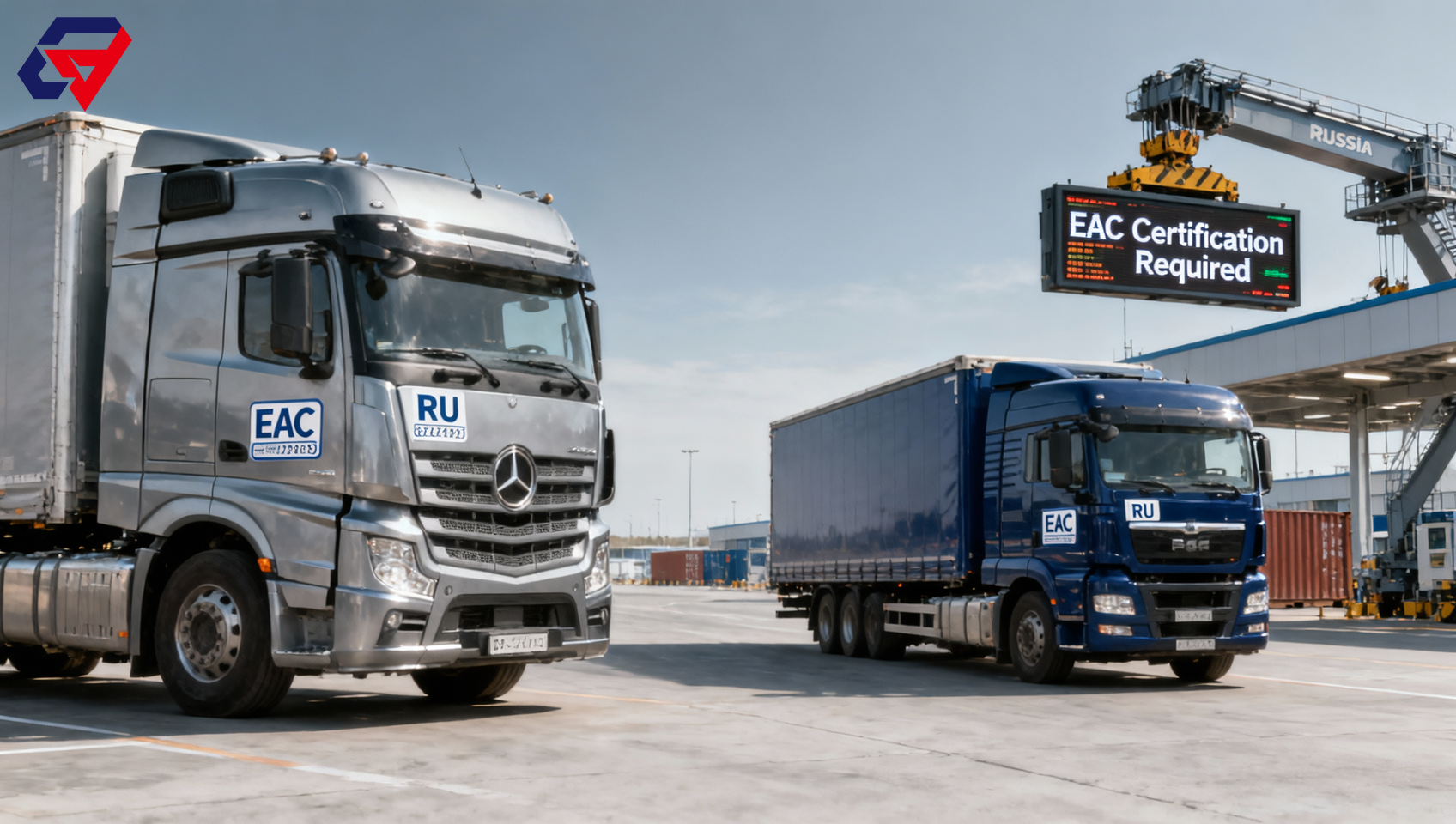
Russia will enforce a new regulatory requirement effective 1 June 2026, mandating that all imported heavy-duty trucks and commercial vehicles obtain EAC certification exclusively from certification bodies accredited by Rosaccreditation within the Russian Federation. This change directly affects manufacturers and exporters—particularly those based in China—by reshaping customs clearance procedures, compliance timelines, and certification cost structures.
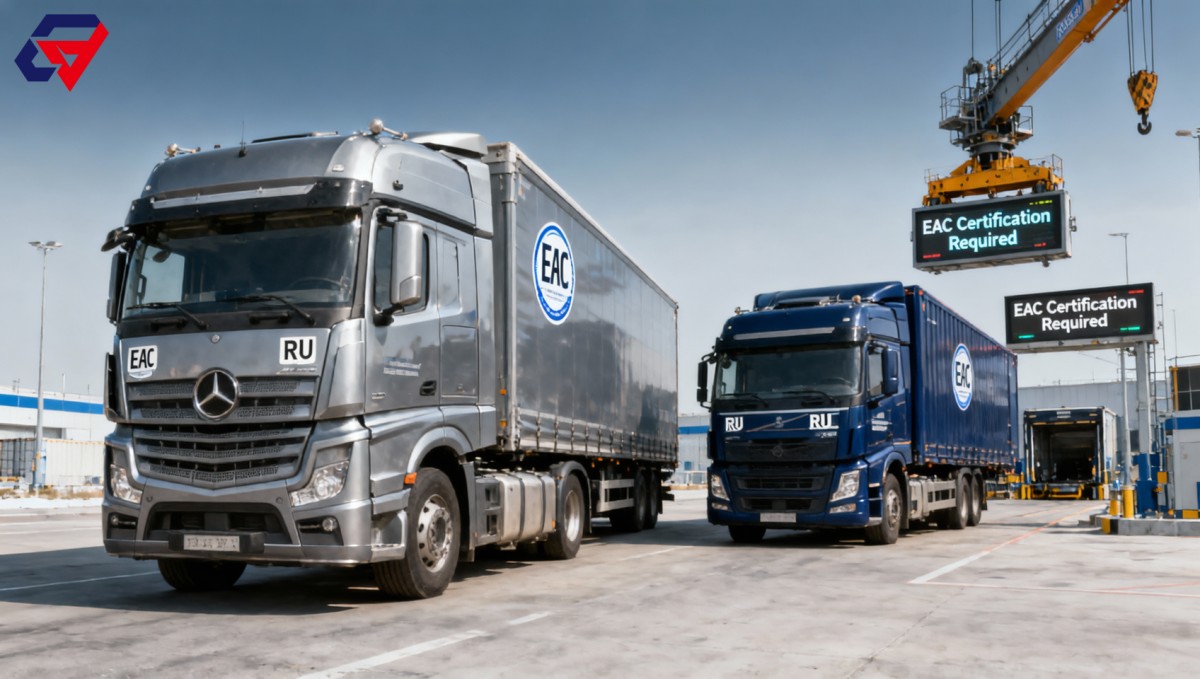
Regulatory Update: New EAC Certification Requirement Takes Effect
Starting 1 June 2026, Russian customs authorities will fully implement a revised rule: EAC certificates for imported heavy-duty trucks and commercial vehicles must be issued solely by certification bodies authorized by Rosaccreditation—the Russian Federal Service for Accreditation—and must carry certificate numbers beginning with the prefix ‘RU’. Certificates previously issued by third-party EAEU-accredited bodies in Kazakhstan, Belarus, or other Eurasian Economic Union member states will no longer be accepted for customs clearance. Non-compliant shipments face rejection and financial penalties ranging from 30% to 50% of the declared cargo value.
Impact Across the Export Supply Chain
Direct Exporters
Manufacturers and trading companies exporting heavy-duty trucks to Russia must now initiate certification engagements with Russian-accredited bodies well ahead of shipment. The shift eliminates reliance on regional EAEU certification pathways, increasing lead time for documentation and reducing flexibility in pre-shipment planning.
Component and Subsystem Suppliers
Suppliers of critical vehicle subsystems—including braking systems, engine control units, and safety-critical ECUs—may need to support updated technical documentation and test reports aligned with Russian-accredited labs’ requirements. Traceability and conformity evidence must now reference RU-numbered certification records.
Vehicle Manufacturers and Assemblers
Original equipment manufacturers (OEMs) must revise internal compliance workflows to ensure type-approval submissions are routed through Russian-accredited entities. Internal audits, technical file updates, and factory inspection coordination must reflect this jurisdictional requirement—not just product specifications.
Logistics and Compliance Service Providers
Freight forwarders, customs brokers, and certification consultants must update their service offerings to include RU-specific EAC application management, translation of technical documentation into Russian, and liaison with Rosaccreditation-authorized bodies—potentially requiring new local partnerships or in-country representation.
Key Actions for Exporting Enterprises
Immediate Review of Existing EAC Certificates
Verify whether current EAC certificates for heavy-duty models were issued by non-Russian EAEU-accredited bodies. If so, initiate re-certification via a Rosaccreditation-authorized body before 1 June 2026 to avoid clearance delays or penalties.
Engagement with RU-Accredited Certification Bodies
Identify and formally engage with Rosaccreditation-authorized certification organizations early. Confirm their capacity, turnaround times, language support, and ability to handle complex vehicle-type approvals—including multi-stage or modular certification processes.
Alignment of Technical Documentation and Test Reports
Ensure all supporting documents—including test reports from accredited laboratories, user manuals, and conformity declarations—are prepared in Russian and formatted per Rosaccreditation’s administrative and technical requirements—not just EAEU-wide EAC guidelines.
Adjustment of Export Schedules and Contract Terms
Factor in extended certification timelines (typically 4–12 weeks longer than prior third-country routes) when negotiating delivery dates, incoterms, and penalty clauses in supply contracts with Russian buyers or distributors.
Industry Perspective: A Strategic Shift Toward Regulatory Sovereignty
Analysis shows this measure reflects a broader trend across the EAEU: increasing emphasis on national-level oversight of conformity assessment, particularly for high-risk transport equipment. From an industry perspective, it is more appropriate to understand this not merely as an administrative adjustment but as a de facto elevation of technical sovereignty—where Russia asserts direct control over certification integrity, traceability, and post-market surveillance. What deserves closer attention is how this may accelerate parallel accreditation demands in other regulated sectors (e.g., rail vehicles, construction machinery), and whether it signals longer-term divergence in EAEU-wide harmonization efforts.
Strategic Implications for Global Heavy-Vehicle Exporters
This regulation underscores that market access in Russia now requires dual-layer compliance: adherence to EAC technical regulations and fulfillment of national procedural mandates. For Chinese and other non-Russian exporters, it marks a transition from ‘certification-as-a-service’ to ‘certification-as-a-strategic-function’—demanding dedicated in-house expertise, local representation, or long-term partnership infrastructure. While compliance costs will rise, the greater strategic challenge lies in maintaining agility amid evolving national interpretations of EAEU-wide rules.
Source Information and Verification Notes
This article is based solely on the title, event date (2026-06-01), and summary provided by the user. Specific official source links were not provided in the input and should be verified continuously. Stakeholders are advised to monitor updates from Rosaccreditation, the Eurasian Economic Commission (EEC), and Russian customs authorities regarding implementation guidance, transitional provisions, list of authorized bodies, and potential clarifications on modular certification or legacy certificate recognition.
NAVIGATION
Send Us A Message