



News
Explore what’s going on around the industry and get the latest from the world of heavy equipment and earth-moving.
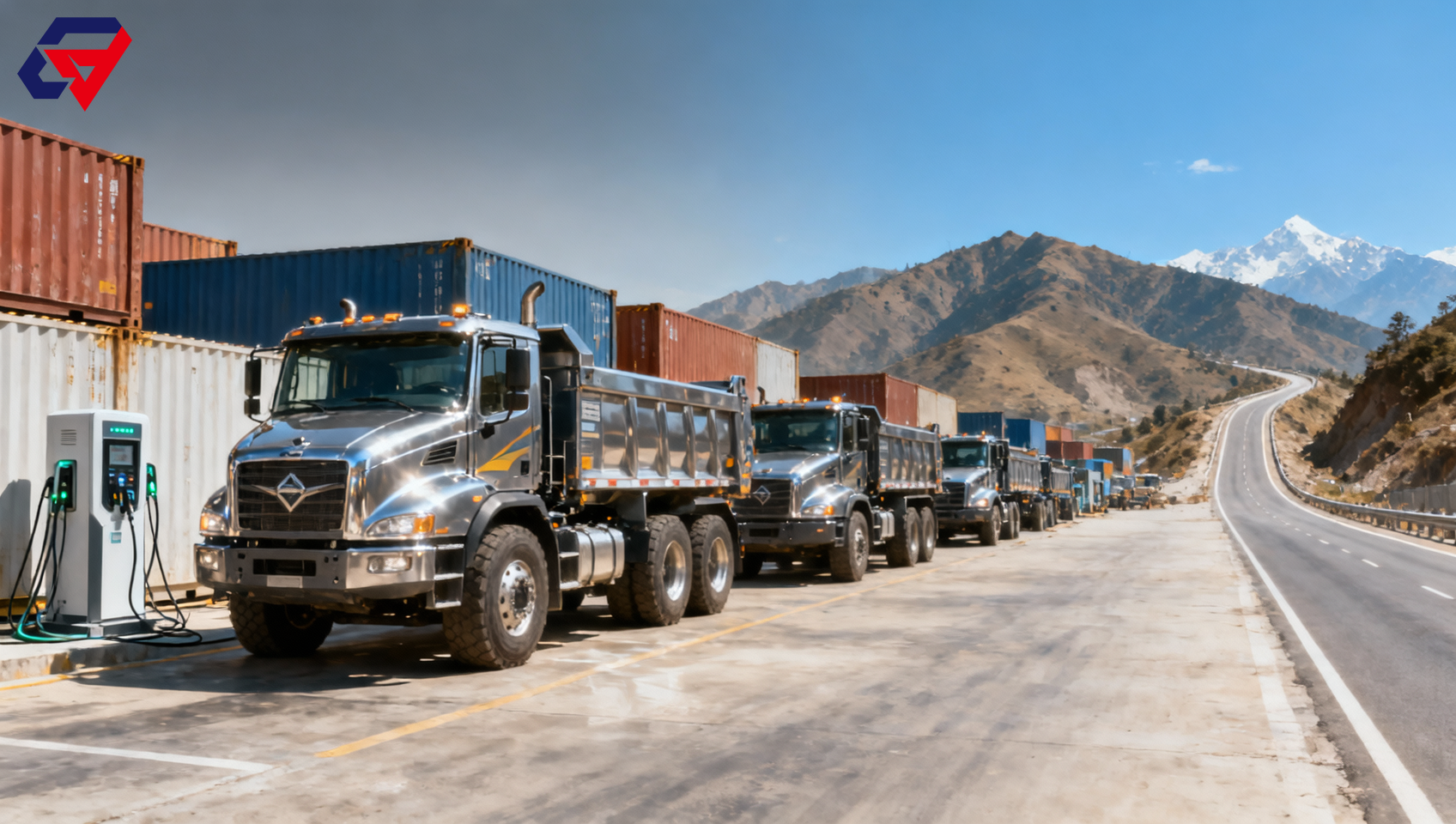
Image Placement Plan
Use one image near the opening section to illustrate policy certainty for electric and hybrid heavy-duty trucks entering Nepal, with a focus on import planning, distribution, and fleet procurement.
On 2026-05-29, Nepal’s Federal Parliament confirmed in the 2025/26 fiscal year budget that existing import tax rates for electric vehicles and hybrid heavy-duty trucks will remain unchanged, easing earlier market concerns over a sharp tax increase and affecting importers, distributors, engineering fleet operators, and manufacturers exporting new-energy heavy trucks to Nepal.
Confirmed Budget Decision and Market Scope
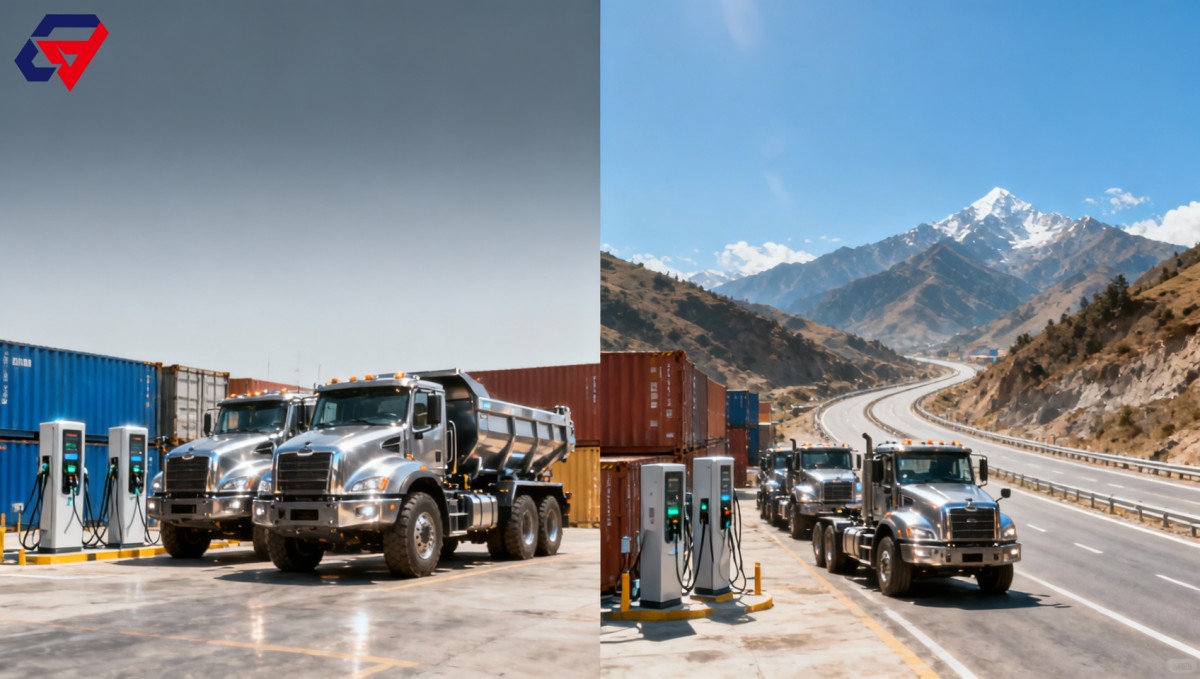
The confirmed event is that Nepal’s Federal Parliament maintained the current import tax treatment for electric vehicles and hybrid heavy-duty trucks in the 2025/26 fiscal year budget.
This decision addressed previous market concerns that import duties could rise substantially. Based on the information provided, the unchanged tax treatment improves policy visibility for Nepal as an emerging South Asian market.
The confirmed affected business groups include local importers, distributors, engineering fleet operators, and Chinese manufacturers that export new-energy dump trucks and port tractors to Nepal in volume.
How the Unchanged Import Duty Affects Industry Participants
Direct trading companies gain a clearer buying window
Importers and export trading companies are directly affected because import tax stability influences landed cost calculations, quotation validity, and contract timing. When the current rate remains unchanged, companies can prepare purchase orders and customer offers with less uncertainty around tariff exposure.
The main business links affected include price negotiation, customs cost estimation, payment scheduling, and shipment planning. Companies still need to monitor whether detailed implementation rules, customs interpretation, or product classification requirements change during execution.
Raw material procurement teams face more predictable demand signals
From an industry perspective, procurement teams serving truck manufacturers may see more stable planning conditions because export-oriented production depends on confidence in downstream demand. If Nepalese buyers move ahead with procurement during the clearer policy window, manufacturers may need to coordinate materials, components, and equipment availability accordingly.
The affected links include sourcing schedules, supplier lead-time confirmation, and inventory allocation for vehicle production. Procurement teams should pay attention to whether orders are concentrated in a short period and whether component availability can support confirmed export plans.
Manufacturing and assembly operations can align output with policy certainty
Processing and manufacturing companies are affected because stable import tax expectations can support more practical production planning for new-energy dump trucks and port tractors destined for Nepal. The policy does not guarantee demand, but it reduces one major cost uncertainty for buyers considering procurement.
Key affected areas include production sequencing, specification confirmation, factory testing, technical documentation, and delivery preparation. Manufacturers should watch for customer requirements on vehicle configuration, working conditions, and compliance documents linked to Nepalese import procedures.
Supply chain service providers may need tighter delivery coordination
Logistics providers, customs service companies, inspection coordinators, and after-sales support partners may be affected as importers and distributors use the clearer tax environment to arrange shipments and fleet deployment plans.
The business impact may appear in booking schedules, customs documentation, inspection preparation, route coordination, and spare-parts support. Service providers should monitor changes in tender documents, customs handling practices, and distributor delivery commitments.
Priority Actions for Companies Serving the Nepal Market
Recheck certification and import compliance before quoting
Companies should not treat the unchanged tax rate as a substitute for compliance readiness. Exporters and importers need to review whether electric and hybrid heavy-duty trucks meet the documentation, inspection, and import requirements requested by Nepalese buyers and customs-related procedures.
Particular attention should be given to vehicle identity documents, technical descriptions, testing materials, and any certificates required by the buyer or import process. Compliance gaps can still delay delivery even when import tax expectations are stable.
Match technical specifications with fleet operating needs
For new-energy dump trucks and port tractors, specification alignment is critical because buyers may use the stable policy window to advance fleet procurement. Manufacturers should confirm vehicle configuration, load profile, charging or energy-support assumptions, and service conditions with importers, distributors, or engineering fleet operators.
Technical tender coordination should be completed before final quotation where projects involve bidding documents or fleet-level purchase requirements. This can reduce later changes in configuration, price, delivery time, or warranty terms.
Plan components, production slots, and delivery timing together
The unchanged import tax treatment gives importers a clearer basis for financial planning, but delivery reliability will still depend on supply readiness. Manufacturers should coordinate materials, components, production capacity, shipment plans, and documentation preparation as one schedule.
Exporters should also avoid overcommitting delivery dates before confirming supplier lead times and logistics arrangements. A stable policy environment supports planning, but it does not remove operational risks in production and cross-border delivery.
Strengthen after-sales traceability for heavy-duty applications
Fleet operators using heavy trucks for engineering or port-related applications will likely focus on uptime, service response, and parts availability. Exporters and distributors should prepare warranty documentation, maintenance guidance, parts lists, and quality traceability records.
This is especially relevant for volume shipments, where consistent service standards can affect customer confidence and repeat procurement. Companies should ensure that after-sales responsibilities are clearly allocated among manufacturer, importer, distributor, and service partners.
Industry Reading: Policy Stability Matters More Than a Short-Term Signal
Analysis shows that the key significance of this budget confirmation is not only the continuation of the current import tax rate, but also the reduction of policy uncertainty for buyers assessing heavy-duty new-energy vehicles.
From an industry perspective, importers and distributors can use the confirmed tax environment to improve cost modeling, while fleet operators can evaluate vehicle procurement with clearer assumptions. For manufacturers, the opportunity lies in converting policy visibility into compliant products, reliable delivery, and localized support.
It is more appropriate to understand this as a planning advantage rather than a guaranteed sales outcome. Demand will still depend on project needs, financing capacity, product suitability, technical acceptance, and service capability. What deserves closer attention is whether future implementation details, tender requirements, or certification practices create additional compliance requirements.
Measured Outlook for New-Energy Heavy Truck Trade
Nepal’s decision to keep current import tax rates unchanged for electric vehicles and hybrid heavy-duty trucks provides a clearer procurement and budgeting reference for market participants. It may support stronger confidence among importers, distributors, and engineering fleet operators considering new-energy heavy trucks.
For Chinese manufacturers exporting dump trucks and port tractors to Nepal, the policy environment appears more predictable, but companies should remain cautious and execution-focused. The practical value of the policy will depend on compliant documentation, specification alignment, delivery reliability, and after-sales support rather than tax treatment alone.
Information Basis and Items to Monitor
This article is based on the provided news title, event date, and event summary regarding Nepal’s 2025/26 fiscal year budget confirmation on import tax rates for electric vehicles and hybrid heavy-duty trucks.
Relevant source types for this kind of event typically include official budget documents, parliamentary announcements, customs guidance, tax authority notices, certification requirements, and public procurement documents. Specific official source links were not provided in the input and should be verified continuously.
Further monitoring is needed for detailed policy implementation, certification execution practices, customs classification guidance, tender document changes, distributor feedback, and responses from engineering fleet operators.
NAVIGATION
Send Us A Message