


News
Explore what’s going on around the industry and get the latest from the world of heavy equipment and earth-moving.
How Cement Mixer Technology Is Changing in 2026
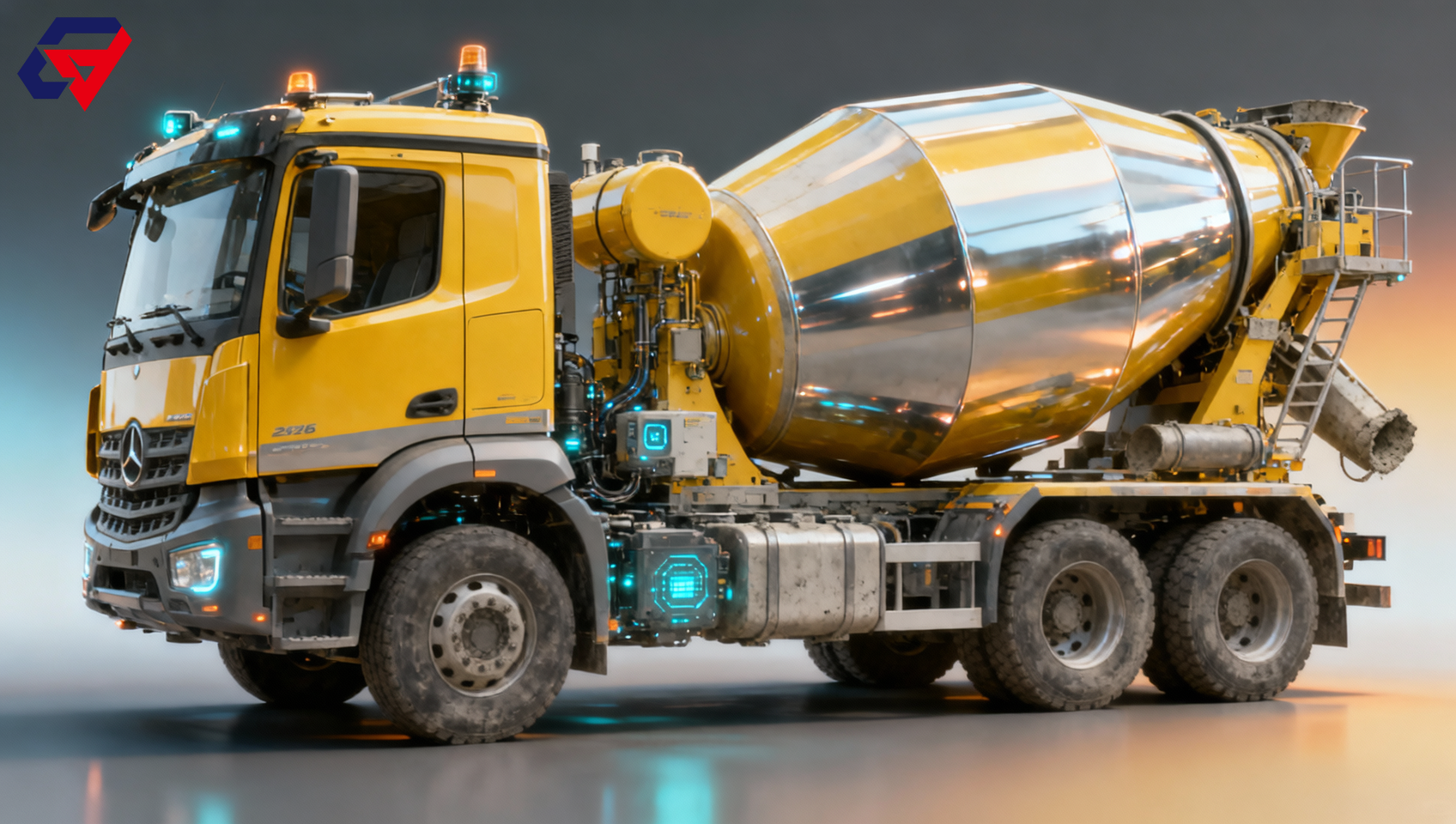
The cement mixer industry is undergoing a technological revolution in 2026, with smarter designs and eco-friendly innovations transforming how construction professionals work. From automated mixing systems to advanced safety features, modern cement mixers now offer unprecedented efficiency and precision. This article explores the latest advancements in cement mixer technology that are reshaping job sites, reducing operational costs, and meeting stringent environmental regulations. Discover how these innovations benefit everyone from operators to decision-makers in the heavy truck industry.
1. What Are the Key Innovations in 2026 Cement Mixers?
The most significant advancements in cement mixer technology for 2026 focus on automation, sustainability, and safety. Automated mixing systems now use AI-driven sensors to optimize water-to-cement ratios in real time, reducing waste and improving consistency. Electric and hybrid powertrains are becoming mainstream, cutting fuel costs by up to 40% while meeting stricter emissions standards. Advanced stability control systems prevent rollovers, a critical safety upgrade for operators. These innovations collectively address the top concerns of efficiency, cost, and compliance across the industry.
2. How Do These Technologies Impact Operational Costs?
For fleet managers and financial decision-makers, the ROI of next-gen mixers is clear. Predictive maintenance systems slash downtime by 30%, while telematics optimize routes to save fuel. Electric models reduce energy expenses by half compared to diesel equivalents. Automated loading systems trim labor costs by minimizing manual errors. When evaluating total cost of ownership, 2026 models demonstrate payback periods under 18 months for high-utilization operations—a compelling case for procurement teams.
3. What Should Buyers Prioritize When Evaluating New Models?
Procurement specialists should assess three critical dimensions: First, match powertrain options (electric, hybrid, or clean diesel) to your regional infrastructure and job site requirements. Second, verify compatibility with existing fleet management systems—some OEMs now offer open API integrations. Third, scrutinize service network coverage for battery-electric models, as downtime penalties can outweigh upfront savings. Always request real-world duty cycle data rather than relying solely on lab-tested specifications.
4. How Are Safety Standards Evolving With New Technologies?
2026 brings mandatory ADAS (Advanced Driver Assistance Systems) for mixers in most markets, including blind-spot monitoring and automatic emergency braking. New composite drum materials reduce weight while maintaining structural integrity, lowering center-of-gravity risks. For safety officers, the game-changer is biometric operator monitoring—systems that detect fatigue and distraction through steering patterns and eye-tracking. These features collectively contribute to a 22% reduction in mixer-related incidents in early adopter fleets.
5. What Training Requirements Come With Advanced Mixers?
Field technicians and operators need updated certification programs covering three areas: High-voltage system safety for electric models, touchscreen interface proficiency, and data interpretation from onboard diagnostics. Leading manufacturers now provide VR simulators for realistic training on rare failure scenarios. Supervisors should budget 15-20% more training time compared to traditional mixers, but this investment pays off through reduced error rates and extended equipment lifespan.
6. How Do Sustainability Features Affect Regulatory Compliance?
With carbon taxes expanding globally, environmental officers will appreciate 2026 mixers' embedded carbon tracking. Real-time emissions reporting simplifies documentation for green building projects. Some models now incorporate recycled materials in up to 35% of components without compromising durability. For projects requiring LEED or BREEAM certification, electric mixers can contribute up to 7 points—a decisive advantage in competitive bidding situations.
Conclusion: Assessing the Business Case for Upgrade
The 2026 cement mixer generation delivers measurable improvements across all stakeholder priorities. Operators gain safer, more ergonomic workspaces. Fleet managers achieve lower TCO through energy efficiency and predictive maintenance. Sustainability teams meet tightening regulations without performance trade-offs. When evaluating upgrades, focus on models offering seamless telematics integration and regionally appropriate powertrains. For most construction businesses, the combination of regulatory compliance, operational savings, and competitive advantage makes this technology transition not just advisable but inevitable.
NAVIGATION
Send Us A Message