


News
Explore what’s going on around the industry and get the latest from the world of heavy equipment and earth-moving.
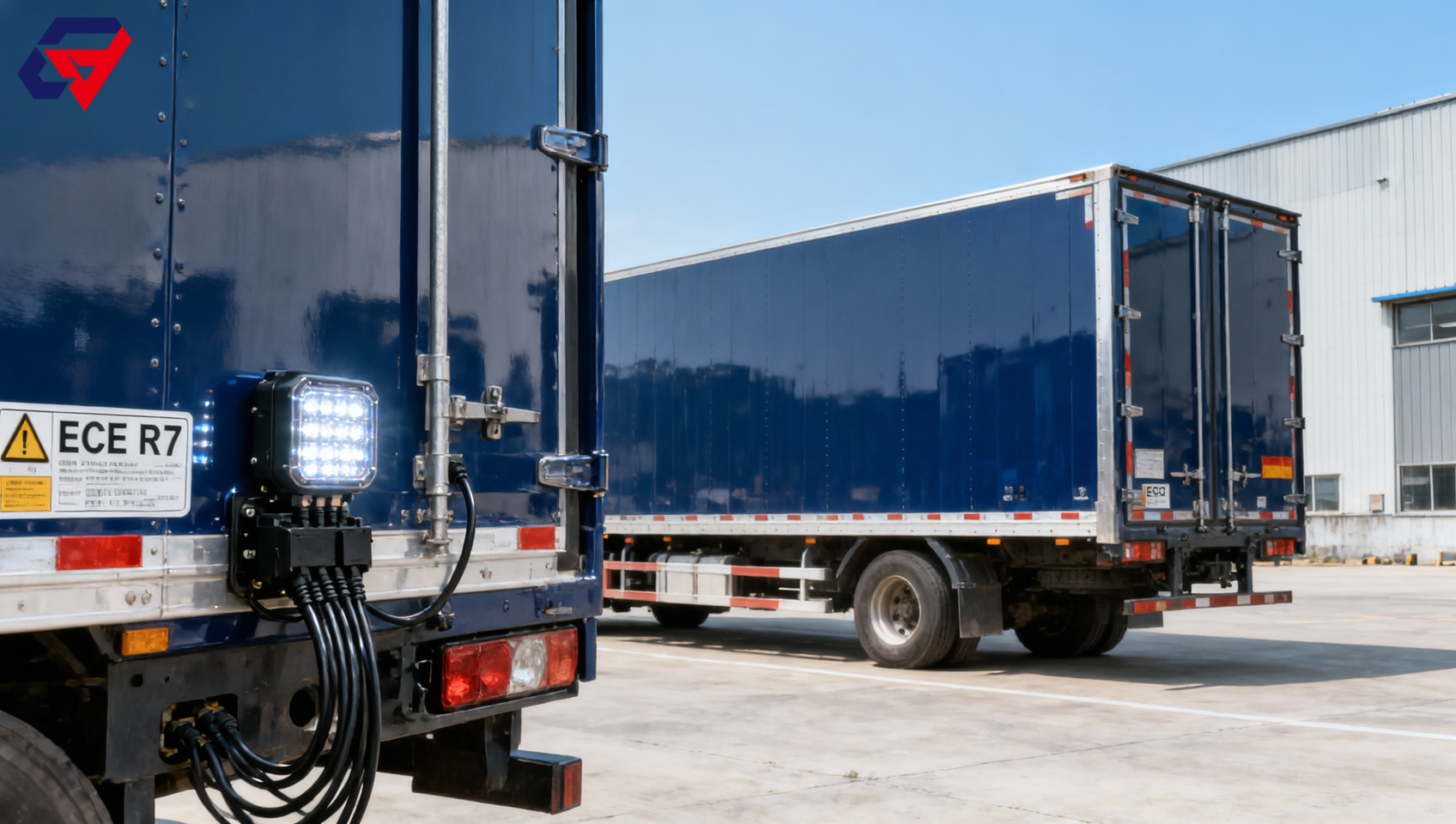
China National Heavy Duty Truck Group Jining Commercial Vehicle Co., Ltd. announced a recall on May 9, 2026, affecting 25 box trucks produced between December 2024 and March 2026. The issue — poor connection of side marker lamp wiring — poses a nighttime visibility hazard and directly compromises compliance with international lighting regulations, including UN Regulation No. 7 (ECE R7). This raises operational risks for cross-border transport under the TIR Convention, particularly for importers and logistics operators serving European, Central Asian, and Belt and Road Initiative (BRI) markets.
Event Overview
On May 9, 2026, China National Heavy Duty Truck Group Jining Commercial Vehicle Co., Ltd. issued a recall notice for 25厢式运输车 (box trucks), manufactured from December 2024 to March 2026. The root cause is defective wiring connections for side marker lamps, resulting in insufficient vehicle contour visibility during nighttime operation. The recall is publicly confirmed and limited to this production window and unit count. No additional safety defects or expanded scope have been reported.
Industries Affected by Segment
Direct Export-Trading Enterprises
These companies — especially those exporting to EU, Kazakhstan, Uzbekistan, or other TIR-participating countries — face immediate customs clearance uncertainty. Since TIR carnets require vehicles to meet host-country type-approval standards (e.g., ECE R7), non-compliant units may be detained at border checkpoints or rejected for TIR certification. Impact includes delayed delivery, potential demurrage fees, and reputational exposure to overseas buyers.
Importers and Distributors in TIR-Eligible Markets
Importers in Europe, Central Asia, and select BRI countries must verify whether received or pending shipments fall within the recalled batch. Non-compliance may invalidate third-party liability insurance coverage required under local road traffic laws and TIR procedures. This triggers re-inspection obligations, possible retrofitting costs, and contractual renegotiation with end customers.
Supply Chain Service Providers (TIR Agents, Customs Brokers, Certification Consultants)
Service providers supporting TIR operations may experience increased verification requests from clients ahead of shipment. They must now assess whether pre-shipment conformity checks include functional validation of side marker lamps — a detail previously assumed covered under general lighting certification. This adds scrutiny to technical documentation review and may extend lead times for TIR authorization.
Key Points for Enterprises and Practitioners
Monitor official recall documentation and batch verification tools
Importers and exporters should access the official recall notice via China’s State Administration for Market Regulation (SAMR) portal and cross-check vehicle identification numbers (VINs) against published production ranges. As of May 2026, no centralized online VIN checker has been launched; manual verification remains necessary.
Assess impact on active orders scheduled for TIR transit before Q3 2026
Orders placed between late 2024 and early 2026 — particularly those routed through land corridors like Khorgos or Manas — warrant priority review. Delivery windows overlapping the June–August 2026 peak season increase urgency for remediation planning, as border agencies often intensify technical inspections during high-volume periods.
Distinguish regulatory signal from enforceable requirement
The recall itself does not automatically void existing TIR carnets or retroactively invalidate prior customs clearances. However, analysis shows that customs authorities in EU member states and key Central Asian TIR parties are increasingly referencing such recalls during post-clearance audits — suggesting a tightening linkage between domestic recall status and international roadworthiness enforcement.
Prepare technical and communication contingencies with overseas partners
Exporters should proactively share SAMR recall details with overseas distributors and confirm whether local vehicle registration or roadworthiness testing regimes treat the defect as grounds for temporary suspension. Where applicable, prepare bilingual technical correction reports — including wiring inspection protocols and post-fix verification evidence — to support client-facing compliance disclosures.
Editorial Perspective / Industry Observation
Observably, this recall is less an isolated quality incident and more a stress test for how domestic manufacturing recalls intersect with international transport treaty frameworks. It highlights growing interdependence between national market supervision mechanisms (e.g., SAMR) and multilateral logistics instruments (e.g., TIR). From an industry perspective, it signals that compliance is no longer segmented into ‘domestic’ and ‘export’ silos: a wiring flaw flagged in Shandong can delay a truck in Minsk. Current evidence suggests this is primarily a procedural signal — not yet a systemic disruption — but one requiring sustained attention as TIR adoption expands across Eurasian land routes.
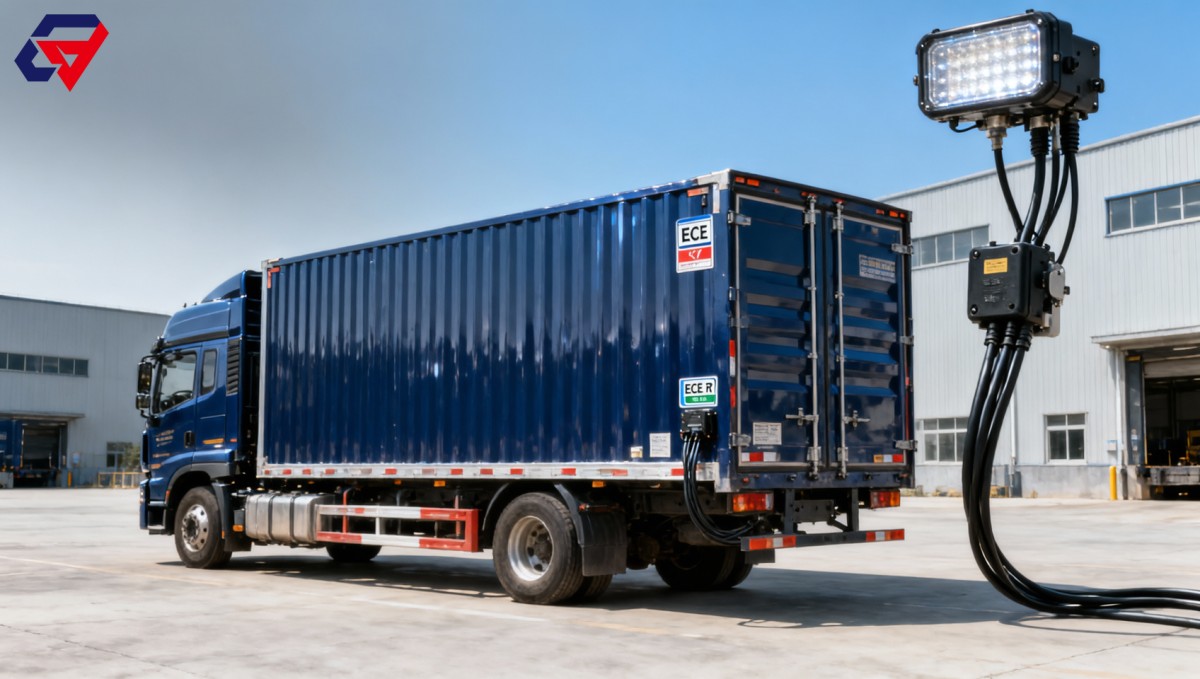
Conclusion: This recall underscores that vehicle-level technical compliance — even for seemingly minor components like side marker lamps — carries tangible cross-border operational weight under the TIR system. For stakeholders, it is best understood not as a broad market risk, but as a targeted reminder: supply chain due diligence must now explicitly incorporate real-time alignment between domestic recall status and international regulatory acceptance criteria.
Source: Official recall notice issued by China National Heavy Duty Truck Group Jining Commercial Vehicle Co., Ltd., published May 9, 2026; referenced regulations include UN Regulation No. 7 (ECE R7) and the TIR Convention (1975, as amended). Ongoing monitoring is advised for updates from SAMR and the IRU (International Road Transport Union) regarding enforcement interpretations in participating countries.
NAVIGATION
Send Us A Message