



News
Explore what’s going on around the industry and get the latest from the world of heavy equipment and earth-moving.
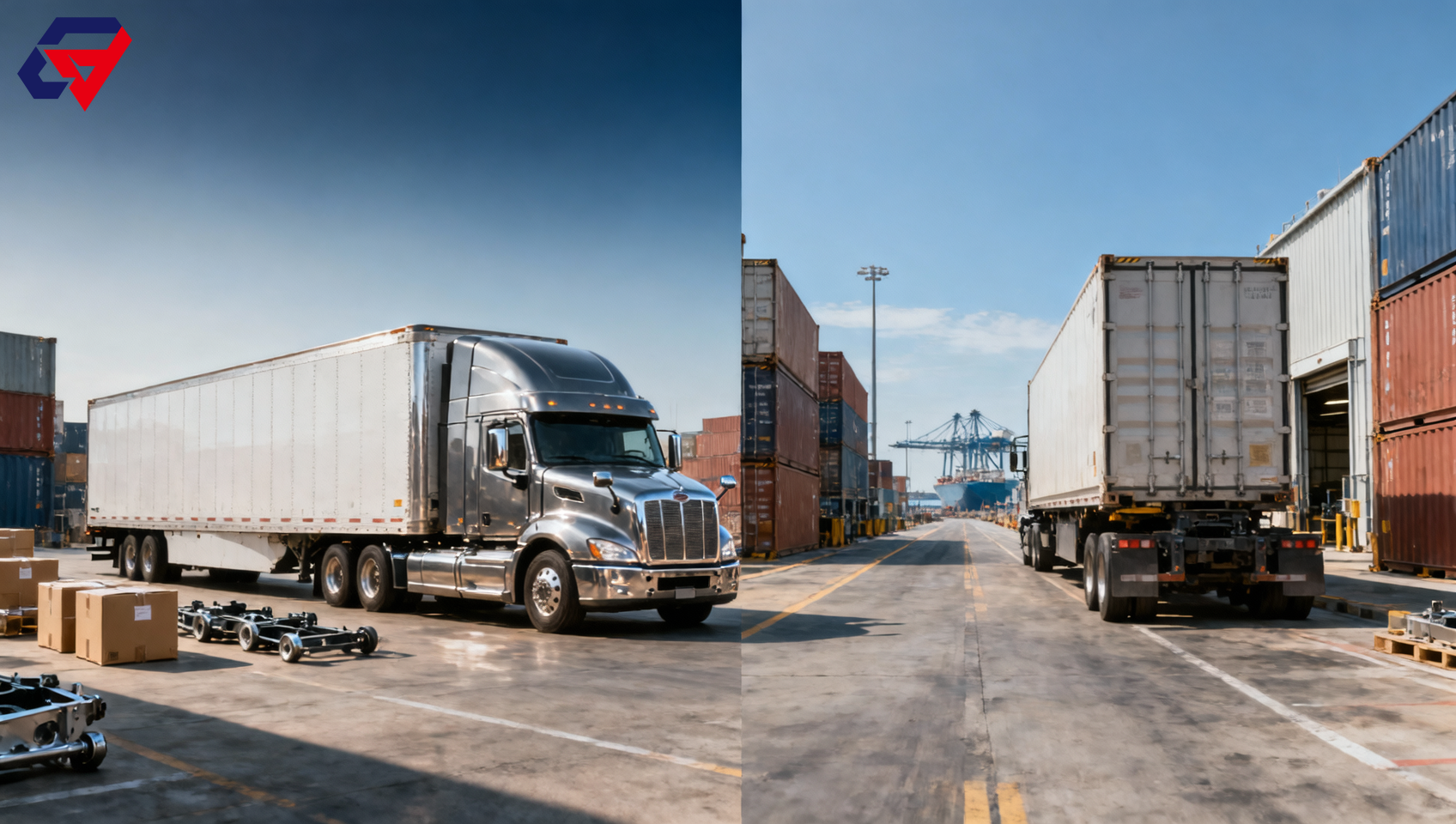
On June 2, 2026, the U.S. Department of Commerce issued a preliminary countervailing duty decision on box semi-trailers and related components imported from China. The ruling puts named Chinese companies such as Shanghai CIMC Baowell and Qingdao CIMC Reefer at an 82.37% subsidy rate, while non-responding companies face 128.78%. For trailer exporters, heavy-truck supporting suppliers, overseas importers, and customs-facing supply chain teams, this is a development worth close attention because it directly affects export cost, compliance access, clearance planning, and contract execution ahead of the final decision scheduled for August 24.
What the preliminary ruling confirms
The confirmed facts are limited but commercially significant. The U.S. Department of Commerce released its preliminary countervailing duty determination on June 2, 2026, covering box semi-trailers and their components from China. According to the provided information, Shanghai CIMC Baowell, Qingdao CIMC Reefer, and other major Chinese companies involved in the case were assigned a preliminary subsidy rate of 82.37%, while companies that did not respond were assigned 128.78%.
The same information also indicates that the final determination is scheduled for August 24. At this stage, the case already creates direct pressure on export cost and market access for Chinese trailer-related shipments to the United States.
Where the pressure is likely to appear first
Exporters and trailer-related manufacturers face immediate cost and access pressure
From an industry perspective, companies directly exporting box semi-trailers and related components are likely to feel the first impact because the preliminary rates change the cost structure tied to U.S.-bound business. The main pressure points are pricing, shipment decisions, and whether existing business can still meet compliance and market-entry requirements under the new tariff burden.
Overseas importers must reassess landed cost and sourcing continuity
Analysis shows that overseas importers are not only dealing with a tariff issue but also with a supply continuity issue. The provided information specifically highlights the need to reassess alternative sourcing plans, customs clearance cost, and contract performance risk. In practical terms, importers may need to review whether current orders remain commercially viable and whether substitute supply channels need to be evaluated.
Supply chain and clearance service teams may see higher execution risk
For logistics, customs, and trade-compliance service providers, the ruling may shift the focus from routine shipment handling to risk control. What deserves closer attention is how product scope, supporting documents, and shipment timing interact with the preliminary duty environment, especially where clients are still operating under existing delivery commitments.
What companies should monitor before the August 24 final ruling
Watch official case language and any procedural updates
Analysis shows that businesses should pay close attention to how the official wording, scope treatment, and subsequent procedural notices develop before the final determination. The key practical issue is that a preliminary decision changes the operating environment, but the final business impact still depends on what is confirmed or adjusted later.
Review affected product lines and active contracts
Companies with U.S.-related trailer or component business should identify which product categories, shipments, and signed contracts may be exposed. What deserves closer attention is not only the tariff rate itself, but also whether current pricing terms, delivery schedules, and customer commitments remain workable under the new cost assumptions.
Prepare documentation and communication paths early
Observably, supplier qualification files, trade documents, and internal responsibility lines become more important when compliance access is under pressure. Importers and exporters alike may need clearer customer communication, shipment review processes, and contingency planning to reduce disputes tied to customs cost or delivery performance.
Separate policy signal from immediate operating reality
From an industry perspective, companies should distinguish between the policy signal of the case and the immediate operational decisions required on live orders. The ruling is already relevant to current transactions, but the final commercial response should remain tied to verified case developments rather than assumptions.
Why this should be read as a live policy-risk signal
Analysis shows that this development is more appropriate to understand as an active industry signal rather than a fully settled outcome. The preliminary rates are high enough to affect commercial judgment now, especially for exporters and importers managing U.S.-bound trailer business. At the same time, the final determination is still pending, which means the market should treat this as a case requiring continued observation rather than as a completed conclusion.
Observably, the most important takeaway is not only the headline rate, but the way trade remedy actions can quickly translate into cost, compliance, and execution pressure across multiple business roles in the trailer supply chain.
How the industry may best frame this development now
At this stage, the ruling matters because it changes the practical risk profile of exporting Chinese box semi-trailers and related components to the United States. For affected companies, the immediate issue is not broad market interpretation but disciplined review of cost exposure, customs readiness, and contract performance.
It is more appropriate to understand this as a near-term operational challenge and a continuing policy development that still requires close monitoring through the August 24 final ruling.
Basis of this article and points still requiring verification
This article is based on the user-provided news title, event date, and event summary regarding the U.S. preliminary countervailing duty decision on box semi-trailers and related components from China. No additional unverified data, company information, market figures, or external case details have been introduced.
For this type of industry update, relevant source categories typically include official government notices, company disclosures, industry association information, authoritative media reporting, and related trade or standards documentation. A specific official source link was not provided in the input, so the underlying official materials should continue to be verified. The main follow-up point to watch is the final determination expected on August 24 and any official clarification that may affect scope, cost treatment, or compliance execution.
NAVIGATION
Send Us A Message