



News
Explore what’s going on around the industry and get the latest from the world of heavy equipment and earth-moving.
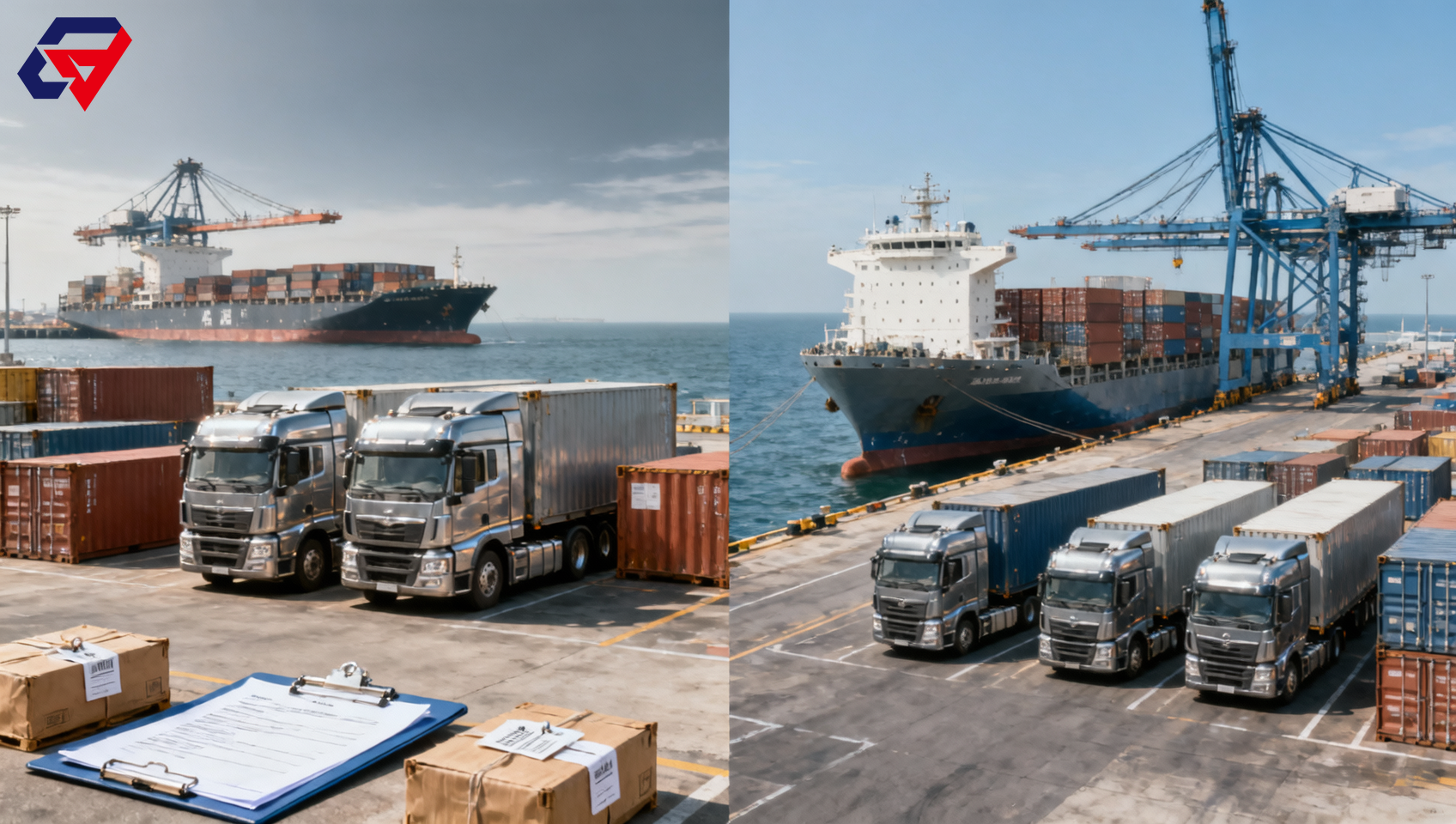
Image Placement Plan
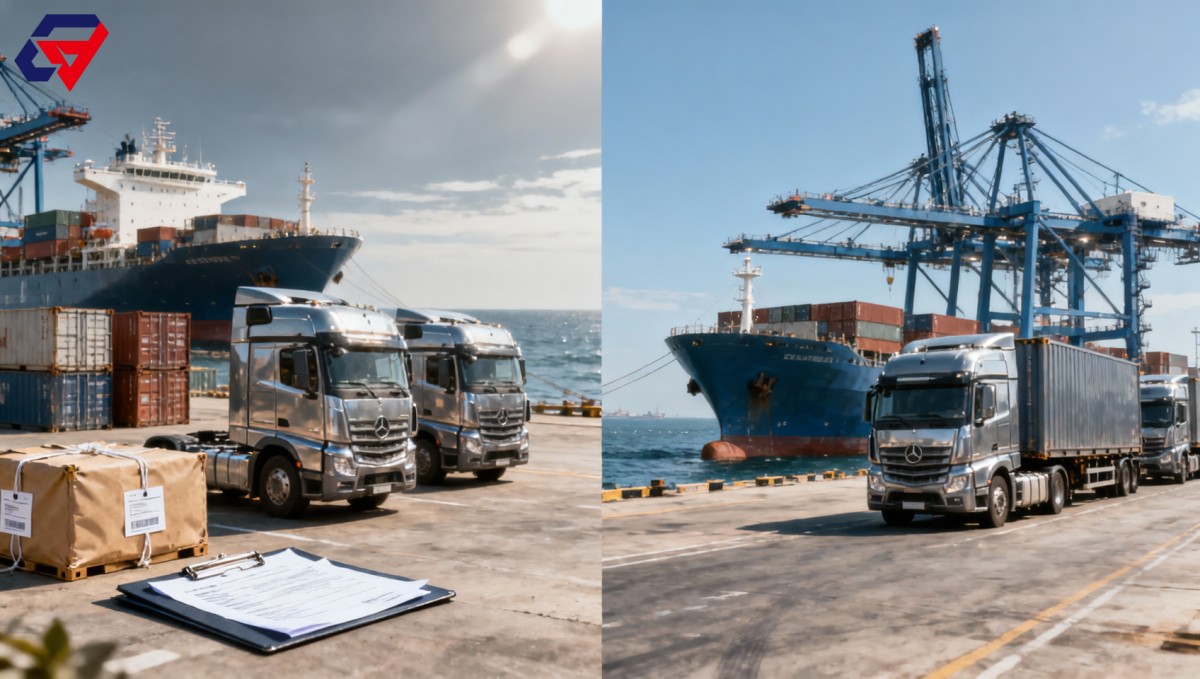
Use one image near the opening of the article to support the regulatory news angle, such as a port logistics, ocean freight, or export shipping compliance visual.
The revised Maritime Law takes effect on May 1, 2026, with a key change to Article 93 that shifts primary responsibility for unclaimed cargo at the discharge port from the consignee to the shipper. The change directly affects Chinese heavy truck exporters because it may alter risk allocation under FOB and CFR contracts and increase the need for stronger consignee credit checks, document coordination, and arrival-performance tracking.
What Has Been Confirmed in the Legal Change
The event date is May 1, 2026. On that date, the newly revised Maritime Law becomes effective.
The confirmed adjustment concerns Article 93. Under the revised rule, when cargo is not collected at the discharge port, the primary responsibility changes from the consignee to the shipper.
The provided event summary confirms that this change directly affects Chinese heavy truck exporters, particularly in the allocation of contractual risk under FOB and CFR trade terms. It also confirms that enterprises need to strengthen overseas consignee credit assessment, coordination of shipping and trade documents, and tracking of performance after cargo arrival.
How the Rule Change May Reshape Industry Roles
Direct trading companies
Direct trading companies are likely to feel the most immediate pressure because they often act as exporters and may be named as shippers in shipping arrangements. From an industry perspective, the shift of primary responsibility means the risk of non-collection at the discharge port can no longer be viewed only as a downstream consignee issue.
The affected business links include contract drafting, trade term selection, consignee due diligence, document release control, and shipment follow-up after vessel arrival. Companies may need to pay closer attention to whether FOB or CFR contracts clearly define responsibility for demurrage, storage, disposal, return shipment, and other consequences arising from unclaimed cargo.
Raw material procurement companies
Raw material procurement companies are not the direct subject of the maritime rule, but they may be affected through export order planning and upstream supply commitments. Analysis shows that if exporters become more cautious about accepting overseas orders without reliable consignee verification, procurement timing and stock preparation may also become more conservative.
The main business links to monitor include purchase scheduling, supplier commitments, inventory turnover, and the matching of procurement plans with confirmed export delivery arrangements. What deserves closer attention is whether export customers and downstream buyers can provide reliable delivery and collection commitments before upstream procurement is expanded.
Processing and manufacturing enterprises
Processing and manufacturing enterprises, including heavy truck producers and related manufacturing participants, may face new coordination requirements when export shipments are arranged under FOB or CFR terms. The legal change does not alter product manufacturing requirements itself, but it can affect the commercial risk environment surrounding export delivery.
Relevant business links include production scheduling, vehicle readiness, export documentation, handover timing, and coordination between sales, logistics, and legal compliance teams. It is more appropriate to understand this as a trade compliance and contract management issue rather than a purely operational shipping issue.
Supply chain service providers
Supply chain service providers may need to support exporters with more precise arrival tracking, document circulation, and communication with overseas consignees. This includes freight forwarders, logistics coordinators, documentation service providers, and other parties involved in export shipment execution.
The affected links may include shipment status reporting, bill of lading coordination, notice of arrival follow-up, and evidence retention. Observably, exporters may expect service providers to offer clearer process records so that responsibility and performance can be reviewed if cargo remains unclaimed at the discharge port.
Compliance Priorities for Export-Focused Enterprises
Review FOB and CFR clauses before shipment
Enterprises should review how FOB and CFR contracts allocate risk once cargo reaches the discharge port. The revised Article 93 makes it necessary to examine whether contracts clearly address unclaimed cargo, document release, cargo storage, additional charges, and follow-up obligations.
Strengthen overseas consignee credit assessment
The provided event summary specifically points to the need for stronger overseas consignee credit review. Exporters should give closer attention to the consignee’s ability and willingness to take delivery, especially before shipment booking and document release.
Improve document coordination across sales and logistics
Document coordination becomes more important when the shipper may carry primary responsibility for unclaimed cargo. Sales contracts, shipping documents, trade term clauses, and delivery instructions should be aligned to reduce ambiguity and avoid gaps between commercial commitments and logistics execution.
Track arrival performance after the vessel reaches port
Arrival-performance tracking should not stop at shipment departure. Exporters may need a clearer mechanism to monitor discharge-port status, consignee response, and collection progress so that potential non-collection issues can be identified earlier.
Industry Reading: A Shift from Shipment Completion to Full-Cycle Risk Control
Analysis shows that the revised rule may encourage exporters to treat maritime delivery as a full-cycle compliance matter rather than a task completed once cargo is loaded. For heavy truck exporters, the practical focus may move from shipment execution alone to pre-shipment customer screening, contract risk allocation, and post-arrival follow-up.
From an industry perspective, this may raise internal coordination requirements among legal, sales, finance, logistics, and documentation teams. However, it should not be interpreted as a confirmed increase in costs for every exporter. The actual impact will depend on contract structure, consignee reliability, document control, and how companies manage shipment follow-up.
What deserves closer attention is whether tender documents, customer contracts, and logistics service agreements begin to include more detailed clauses on unclaimed cargo responsibility. Such changes would represent an industry-level response to the revised legal framework, but further observation is needed.
Closing View
The revised Maritime Law introduces an important change in responsibility for unclaimed cargo at the discharge port. For Chinese heavy truck exporters, the core significance lies in the shift of risk awareness: shipment arrangements, contract terms, consignee credit checks, and arrival tracking may need to be managed as one connected compliance process.
A rational conclusion is that the rule change does not automatically determine the outcome of every dispute, but it does make shipper-side preparation more important. Enterprises should respond with clearer contracts, stronger documentation discipline, and more active post-arrival monitoring.
Information Basis and Further Verification
This article is generated based on the user-provided news title, event date, and event summary.
Relevant source types for continued verification may include official legal texts, regulatory interpretations, shipping compliance notices, trade contract updates, tender documents, and industry feedback. Specific official source links were not provided in the input and should be verified continuously.
Further observation is still needed on implementation details, compliance interpretation, certification or document review practices where applicable, changes in tender documents, and feedback from exporters, logistics service providers, and other market participants.
NAVIGATION
Send Us A Message