



News
Explore what’s going on around the industry and get the latest from the world of heavy equipment and earth-moving.
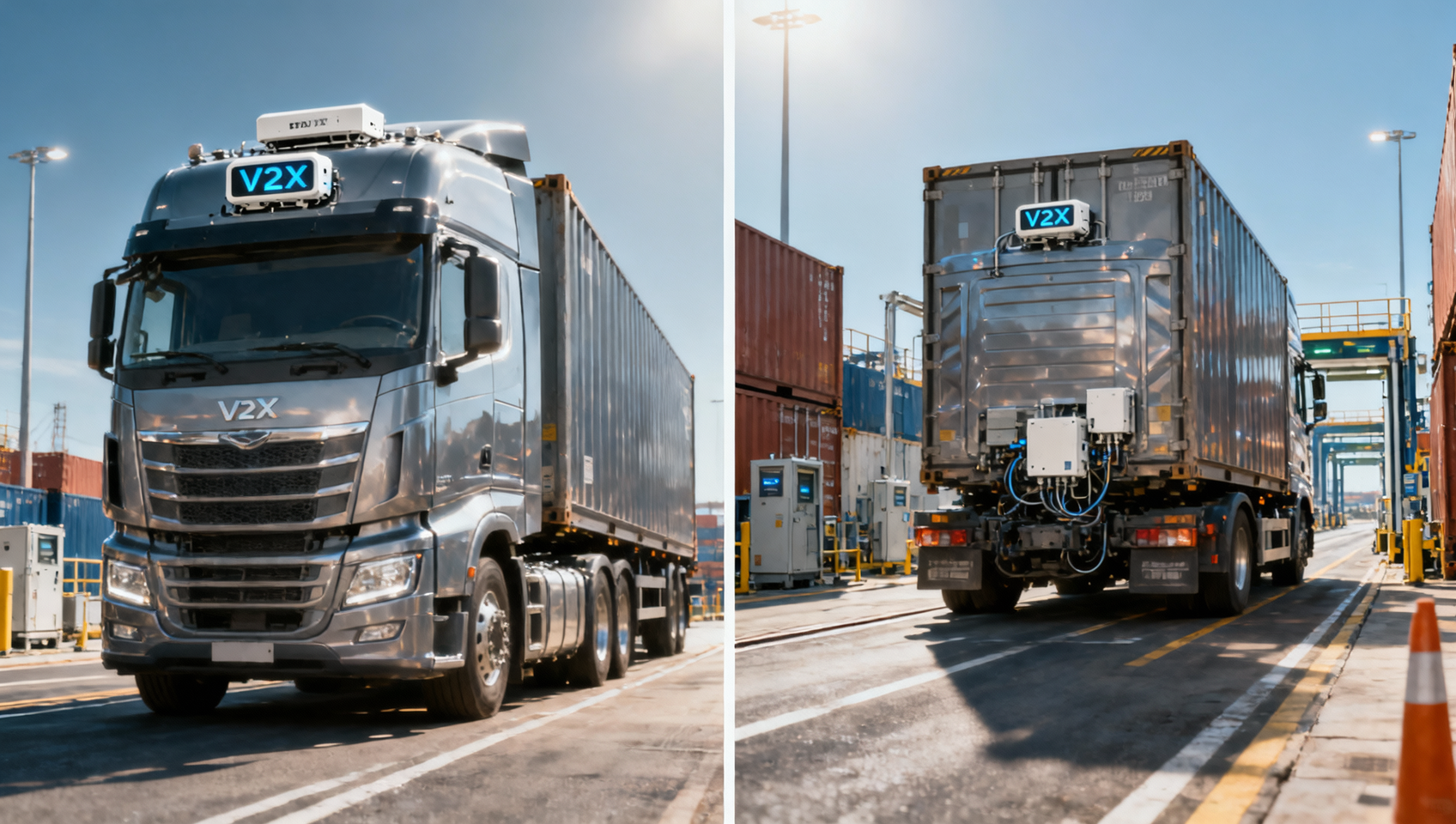
On September 1, 2026, Vietnam’s latest rule change for imported heavy trucks moved from a technical requirement into a direct trade and delivery issue. Under Circular No. 18/2026/TT-BGTVT, new imported heavy trucks must be fitted in advance with V2X communication modules meeting ETSI EN 302 637-2 and must also obtain VNISS type approval. For importers, distributors, certification-facing suppliers, and end-market delivery teams, this is worth close attention because it adds both unit cost and compliance lead time at the point where products enter the market.
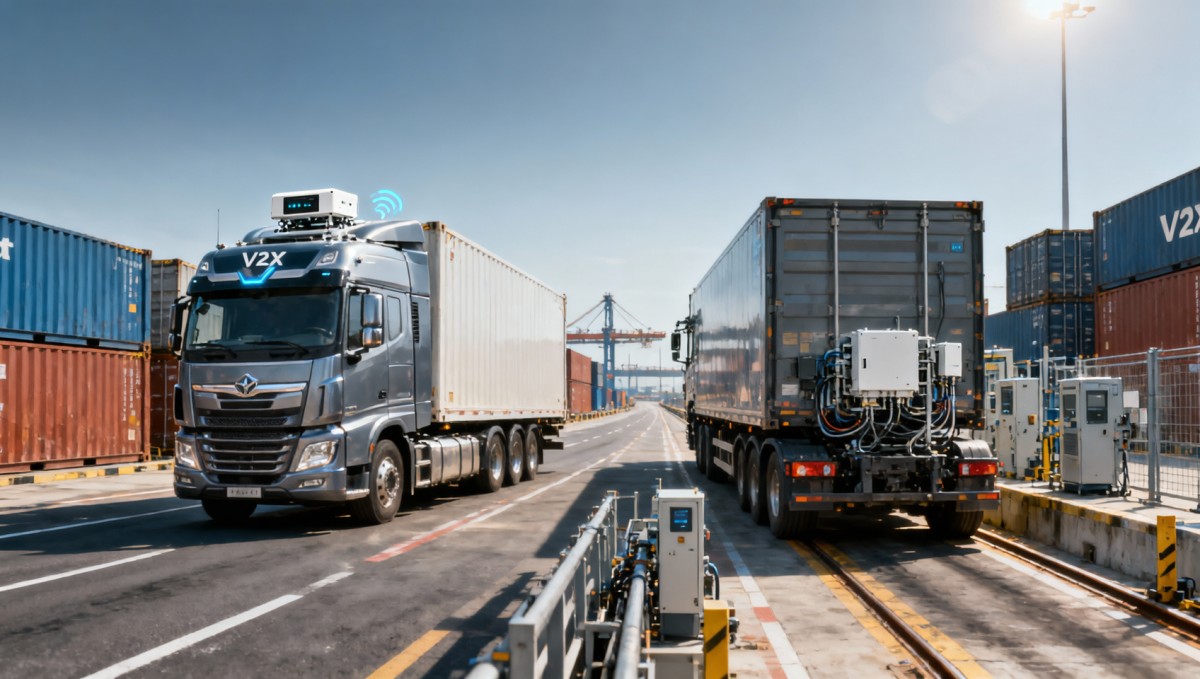
What the New Import Requirement Changes
The confirmed change is tied to Circular No. 18/2026/TT-BGTVT, jointly issued by Vietnam’s Ministry of Industry and Trade and Ministry of Transport. From September 1, 2026, all newly imported heavy trucks must be pre-installed with V2X onboard communication modules that comply with ETSI EN 302 637-2.
The rule also requires these modules to pass VNISS type certification. Based on the provided information, the new requirement is expected to add about USD 1,200 to USD 1,800 to the import cost of each unit, while extending the certification cycle to around six to eight weeks.
The direct operational effect identified in the source information is pressure on distributor inventory planning and on the timing of final customer delivery.
Where the Pressure Will Appear First
Import and distribution planning will face tighter timing
From an industry perspective, importers and distributors are likely to feel the first impact because the rule applies before heavy trucks can move through normal import and sales cycles. The main pressure point is the combination of added hardware cost and a longer certification process, which can affect booking, stocking, and delivery sequencing. What deserves closer attention is whether shipment planning, order timing, and model allocation are being adjusted to reflect the six-to-eight-week certification window.
Suppliers tied to technical compliance will need cleaner documentation
For manufacturers, module suppliers, and other parties supporting import compliance, the issue is not only product configuration but also whether the V2X module specification aligns with ETSI EN 302 637-2 and whether the documentation package is sufficient for VNISS type approval. Analysis shows that technical files, test-related materials, and product configuration records may become more important in pre-import review, even though the detailed execution documents were not provided in the input.
Procurement and delivery teams may need to reset scheduling assumptions
Buyers, procurement teams, and downstream delivery coordinators may also be affected because the compliance step now sits closer to import entry and handover timing. Observably, the reported increase in per-unit cost and the longer approval cycle can influence purchasing budgets, contract timing, and customer delivery commitments. The practical change to watch is whether procurement schedules and expected handover dates are still being built on pre-rule assumptions.
What Companies Should Watch Now
Check product configuration before shipment
Analysis shows that companies involved in importing heavy trucks into Vietnam should first verify whether vehicle configurations already include V2X modules that meet ETSI EN 302 637-2. Where this is not confirmed early, the compliance issue may shift from a paperwork problem into a shipment and delivery problem.
Reassess certification lead time in sales and inventory plans
What deserves closer attention is the stated six-to-eight-week certification cycle. Businesses handling import scheduling, warehouse turnover, or customer delivery commitments should review whether current plans leave enough time for VNISS type approval, especially where inventory planning depends on narrow delivery windows.
Review compliance files and supplier readiness
Observably, the new rule makes documentation quality more relevant to commercial execution. Companies should pay closer attention to technical documents, certification materials, and supplier readiness linked to the required module and approval path, while recognizing that the detailed review criteria were not included in the source information.
Keep watching for execution language and market practice
It is more appropriate to understand this as a rule with immediate operational consequences, but not as a fully mapped execution framework based on the current input alone. Businesses should continue watching for official wording, certification interpretation, tender document updates, and practical market feedback that may clarify how the requirement is applied in day-to-day transactions.
How This Rule Should Be Read at This Stage
Analysis shows that this development is more than a narrow technical standard update. It connects product specification, cybersecurity-related approval, import readiness, and delivery timing into one compliance gate. At the same time, it would be premature to treat all implementation outcomes as settled, because the provided information confirms the requirement, the standard, the certification path, the cost increase, and the timing effect, but does not provide fuller execution detail beyond those points.
From an industry perspective, the immediate signal is clear: compliance is moving earlier in the heavy-truck import process, and the cost of being late on technical alignment is likely to show up in inventory and delivery performance rather than only in regulatory review.
A Practical Reading of the Market Signal
In summary, the Vietnam requirement for pre-installed ETSI EN 302 637-2 V2X modules and VNISS type approval should currently be understood as an implemented compliance change with direct commercial implications for imported heavy trucks. The most rational reading is not that the market outcome is already fully defined, but that businesses now have a concrete rule change affecting cost, certification timing, stock planning, and delivery rhythm, with further attention still needed on execution details and market response.
Basis of This Article
This article is based on the user-provided news title, event date, and event summary concerning Vietnam’s new rule for imported heavy trucks, effective September 1, 2026. For developments of this kind, relevant source categories typically include official notices, publications by regulatory authorities, trade or customs authorities, industry association releases, standards body documents, and reporting by established media outlets.
No specific official source link was provided in the input, so the exact official link remains to be verified on an ongoing basis. Further observation is still needed on policy detail, certification interpretation, tender document adjustments, market feedback, and how affected companies implement the requirement in practice.
NAVIGATION
Send Us A Message