



News
Explore what’s going on around the industry and get the latest from the world of heavy equipment and earth-moving.
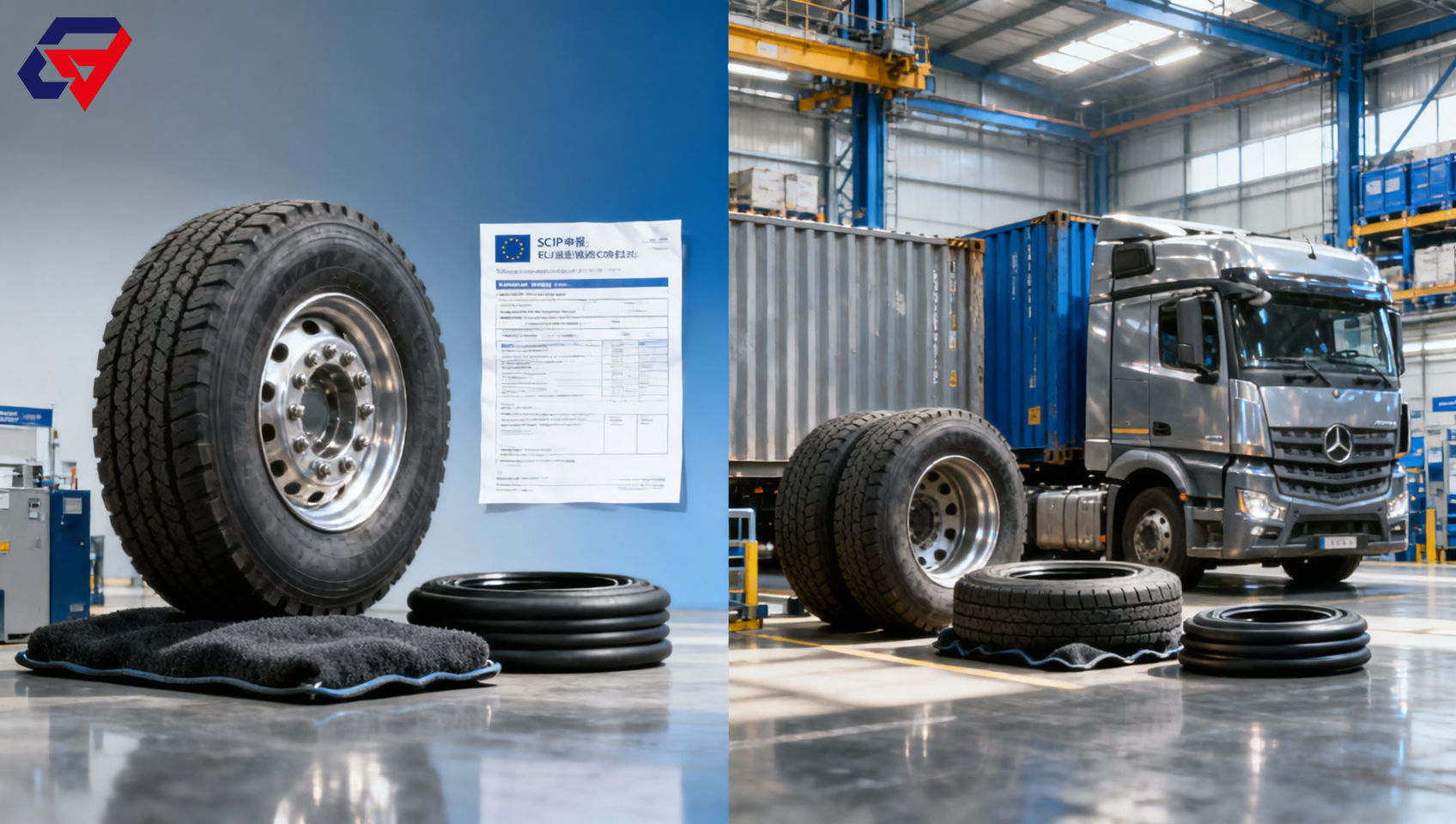
On June 27, 2026, the European Chemicals Agency (ECHA) updated Annex XVII of REACH, introducing a new compliance step for certain heavy-duty truck rubber components containing substances of very high concern (SVHC). From October 1, 2026, exports to the EU involving products such as truck tires, suspension rubber pads, and cabin sealing parts will require mandatory SCIP database notification by the importer or an EU authorized representative, along with a declaration of conformity. For exporters, importers, and supply chain teams serving the EU truck parts market, this matters because it affects not only material compliance, but also customs clearance preparation and delivery timing.
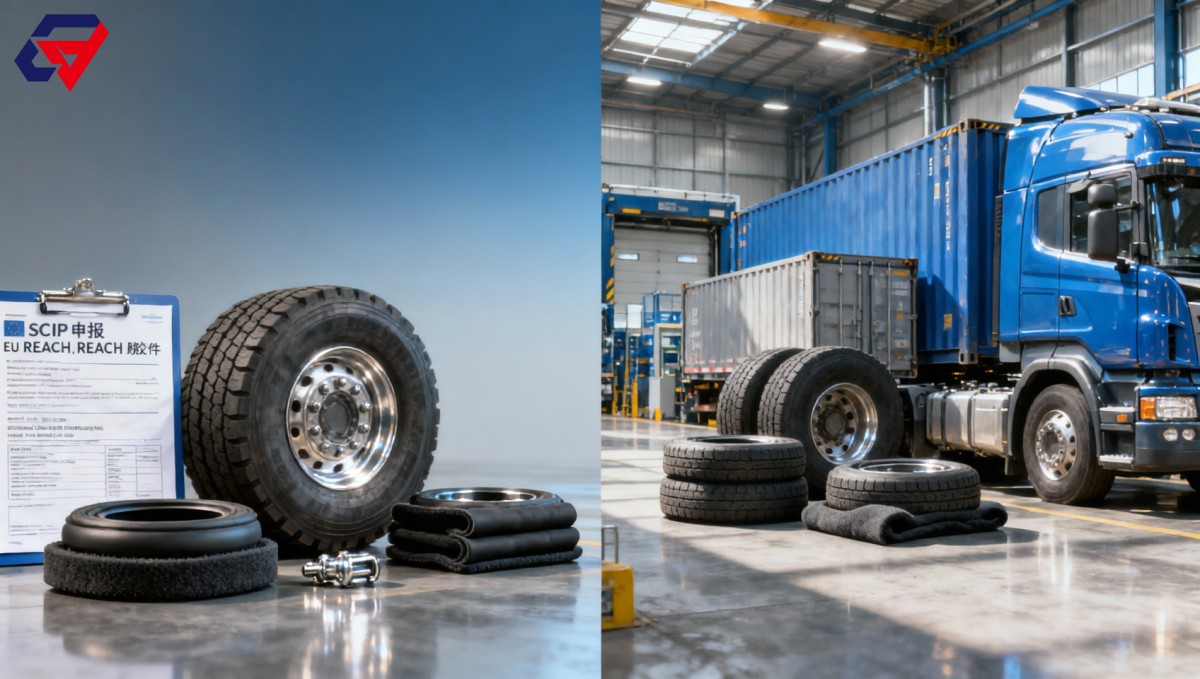
What the Update Clearly Requires
According to the information provided, ECHA formally updated REACH Annex XVII on June 27, 2026. The new requirement will apply from October 1, 2026 to heavy-duty truck rubber parts exported to the EU when those parts contain SVHC substances. The product scope specifically mentioned includes tires, suspension rubber pads, and cabin sealing components for heavy trucks.
The requirement is that the importer or an EU authorized representative must complete mandatory notification in the SCIP database and provide a declaration of conformity. The information provided also makes clear that this change directly affects the customs compliance route and delivery cycle for Chinese exporters of heavy-duty truck components.
Where the Immediate Pressure May Appear
Export-facing manufacturers may face a tighter document handoff
From an industry perspective, manufacturers that supply truck rubber parts into the EU market may be affected first at the shipment preparation stage. Even though the notification obligation is assigned to the importer or EU authorized representative, the practical process is likely to depend on whether upstream suppliers can provide the material and compliance information needed for SCIP filing and for the declaration of conformity.
Importers and EU representatives take on a more visible compliance role
Analysis shows that importers and EU authorized representatives are positioned directly in the new requirement. Their exposure is likely to center on filing responsibility, documentation completeness, and timing coordination before goods move through customs. What deserves closer attention is the operational link between regulatory responsibility and actual shipment release.
Logistics and customs-related service providers may see workflow changes
Observably, supply chain service providers involved in customs clearance and delivery planning may need to adjust around new documentation checkpoints. The information provided already indicates an effect on customs compliance paths and delivery cycles, which suggests that timing, file readiness, and communication between trading parties could become more sensitive.
EU-bound buyers may place more emphasis on pre-shipment readiness
For procurement and downstream application parties serving the EU truck market, the change may affect supplier selection and order scheduling. The key issue is not only whether a part can be produced, but whether the related compliance filing and declaration can be aligned with the shipment window.
What Companies Should Watch Now
Whether listed products in current EU programs fall within the affected scope
Companies shipping heavy-duty truck tires, suspension rubber pads, cabin sealing parts, or similar rubber components into the EU should first review which active products may be implicated by the requirement described in the update. The practical focus is product-by-product confirmation rather than broad assumptions across all truck parts.
How importer-side filing responsibility will be executed in practice
The stated obligation sits with the importer or EU authorized representative, but exporters still need clarity on how that filing will be completed, what supporting information will be requested, and when it must be ready. This is especially relevant where shipments are managed across multiple parties.
Whether compliance documentation can match delivery schedules
Because the update is described as directly affecting customs clearance pathways and delivery cycles, businesses should pay attention to the timing relationship between product readiness, declaration issuance, and SCIP notification. In practice, delays may arise not only from production, but from incomplete compliance coordination.
How customer and supplier communication needs to change before October 2026
What deserves closer attention is the communication chain between component suppliers, exporters, importers, and EU-side representatives. Even where responsibilities are contractually separated, the business impact may still fall on the party expected to deliver on time.
Why This Looks Like More Than a Routine Filing Detail
Analysis shows that this update should not be read only as a technical paperwork adjustment. It links product substance content, importer-side filing duties, and customs-related execution into the same operating process. That makes it relevant not just for regulatory teams, but also for sales operations, delivery planning, and account management tied to EU truck parts business.
It is more appropriate to understand this as an actionable near-term compliance change with broader long-term significance as a policy signal. The confirmed fact is the new requirement and its effective date. The part that still requires observation is how consistently the requirement will shape day-to-day shipment management across affected supply chains.
How the Industry May Best Read This Update
At this stage, the most balanced interpretation is that the rule change creates a concrete compliance checkpoint for EU-bound heavy-duty truck rubber components containing SVHC. It does not by itself define every operational consequence, but it clearly raises the importance of filing readiness, supporting documentation, and cross-border coordination. For market participants connected to Chinese exports into the EU, this is best understood as a real implementation issue in the short term and a regulatory signal that remains worth continued monitoring.
Basis of This Article and What Still Needs Verification
This article is based on the user-provided news title, event date, and event summary. For this type of regulatory development, commonly relevant source categories may include official notices, company disclosures, industry association information, authoritative media reporting, and standards or regulatory documents. A specific official source link was not provided in the input, so the exact underlying publication should still be continuously verified. Continued attention should focus on any further official wording, implementation clarifications, and practical filing expectations connected to the October 1, 2026 effective date.
NAVIGATION
Send Us A Message