


News
Explore what’s going on around the industry and get the latest from the world of heavy equipment and earth-moving.
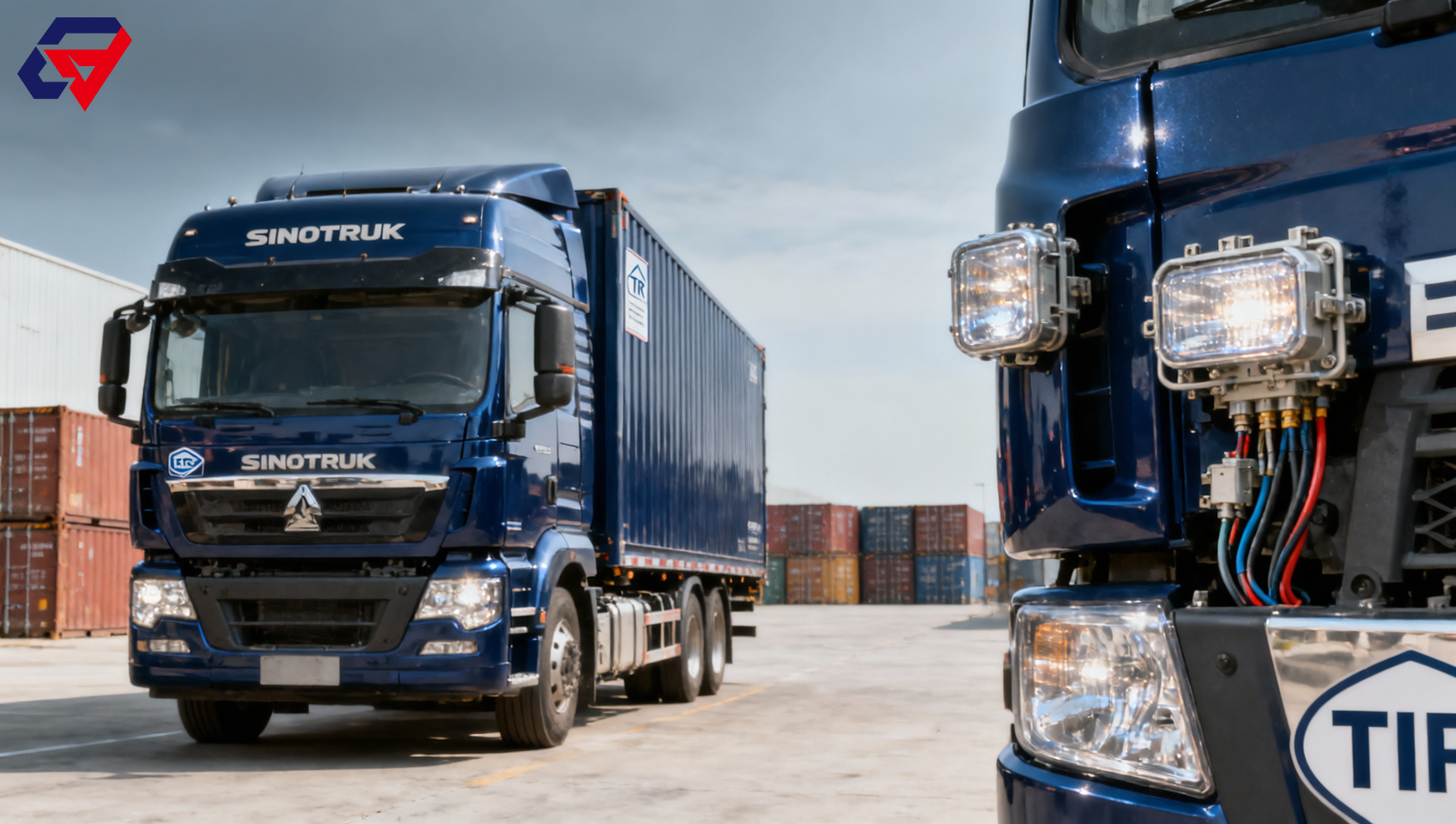
China National Heavy Duty Truck Group Co., Ltd. (Sinotruk) has initiated a targeted recall of 25 box-type transport vehicles produced between December 2024 and March 2026 — raising immediate concerns across international road freight supply chains, particularly for operators relying on the International Road Transport Convention (TIR) and EU vehicle type-approval frameworks. The recall highlights how seemingly minor technical nonconformities can cascade into regulatory, logistical, and commercial risk for downstream stakeholders in cross-border trade.
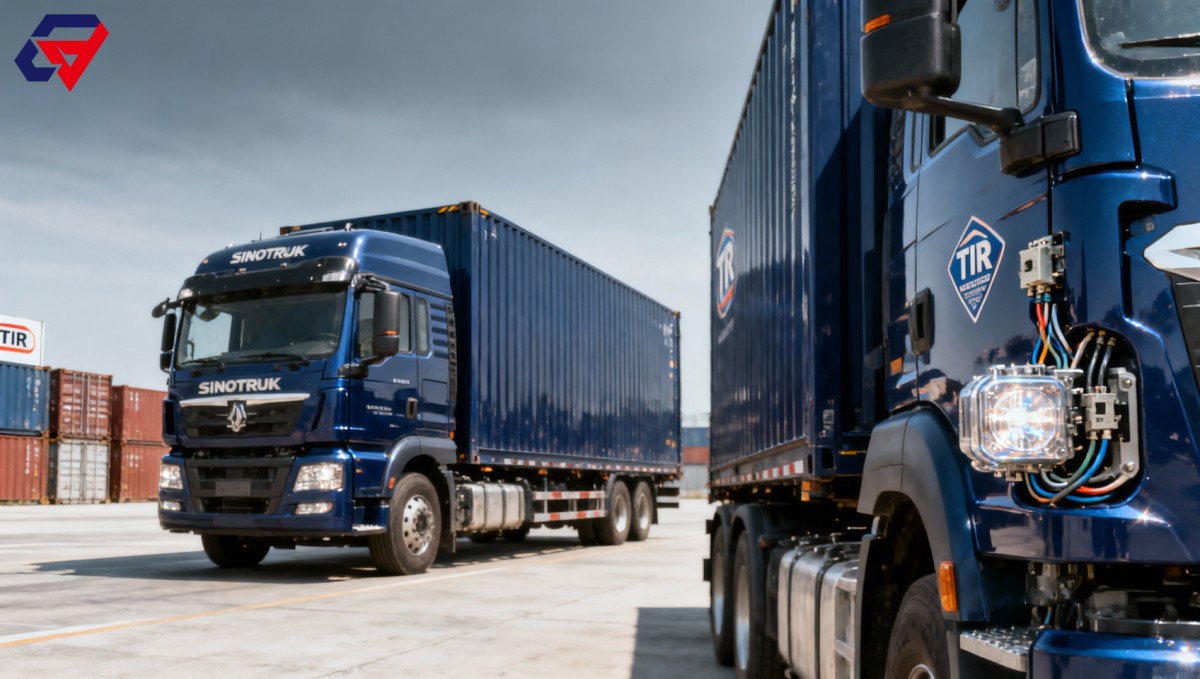
Event Overview
Sinotruk Jining Commercial Vehicle Co., Ltd. announced the recall on May 9, 2026, covering 25 units of box-type transport vehicles manufactured from December 20, 2024, to March 30, 2026. The root cause is identified as inadequate connection of side marker lamp wiring harnesses, resulting in potential failure of side contour visibility during nighttime operation. This defect poses a direct safety hazard and may compromise compliance with ECE Regulation No. 48 (lighting and light-signalling devices) and TIR Convention Annex 2 technical requirements for vehicle roadworthiness.
Industries Impacted
Direct Trading Enterprises: Importers and distributors outside China — especially those in Central Asia, the EU, and Turkey — face heightened customs clearance scrutiny. Vehicles already cleared under TIR carnets may be subject to post-clearance verification or roadside inspection; non-compliant units risk being prohibited from operation pending remediation, delaying revenue realization and triggering contractual penalties.
Raw Material Procurement Enterprises: While not directly manufacturing vehicles, suppliers of lighting components, wiring harnesses, or OEM-grade electrical systems to Sinotruk’s tier-2 or tier-3 suppliers may experience increased audit pressure. Buyers are likely to demand updated conformity documentation and traceability records for parts supplied during the affected production window — potentially affecting order continuity and qualification timelines.
Manufacturing Enterprises: Domestic chassis integrators and bodybuilders using Sinotruk chassis for export-configured vehicles must verify whether their builds incorporated any of the recalled units. If so, re-certification under ECE R48 or national type-approval schemes (e.g., Kazakhstan’s GOST-K or Türkiye’s TSE) may be required — adding cost, time, and certification uncertainty to finished vehicle exports.
Supply Chain Service Providers: TIR-carnet issuing bodies, customs brokers specializing in Eurasian transit, and third-party vehicle conformity assessment agencies are observing elevated query volumes. Their operational load increases due to client requests for pre-shipment technical validation, post-recall compliance affidavits, and support in managing TIR carnet suspensions or amendments.
Key Focus Areas and Recommended Actions
Verify chassis VINs against the official recall list
Importers and TIR carriers should cross-check vehicle identification numbers (VINs) against Sinotruk’s published recall bulletin before finalizing purchase agreements or initiating TIR carnets. Proactive VIN screening helps avoid shipment rejection at border checkpoints.
Review existing TIR carnets and vehicle registration documents
Holders of active TIR carnets linked to affected units should contact their national TIR association and local transport authority to determine whether corrective action (e.g., technical rectification reports or temporary suspension) is required prior to next transit.
Require formal conformity statements from upstream suppliers
Downstream manufacturers and integrators should request written confirmation from Sinotruk or its authorized representatives verifying that no recalled chassis were supplied to them during Q4 2024–Q1 2026 — supporting due diligence in export declarations and type-approval submissions.
Editorial Insight / Industry Observation
Observably, this incident reflects a growing tension between rapid export scaling and granular technical compliance management in China’s commercial vehicle sector. While Sinotruk’s recall is narrowly scoped (25 units), its implications extend beyond volume: it underscores how legacy quality control gaps in low-frequency subsystems — like side marker lamp integration — can undermine high-stakes international certifications. Analysis shows that TIR and ECE R48 are increasingly interdependent in practice; a defect flagged under one framework often triggers review under the other. From an industry perspective, this is less about isolated component failure and more about systemic readiness for multi-jurisdictional technical governance.
Conclusion
This recall serves as a calibrated reminder: in cross-border road transport, regulatory compliance is not a one-time checkpoint but a continuous chain of evidence — spanning design, production, certification, and post-delivery verification. For global stakeholders, the takeaway is not risk avoidance per se, but rather strengthening traceability protocols, deepening supplier technical alignment, and treating international vehicle standards as operational KPIs — not just legal checkboxes.
Source Attribution
Official recall notice issued by Sinotruk Jining Commercial Vehicle Co., Ltd. (May 9, 2026); referenced against UNECE Regulation No. 48/05 (Revision 7) and TIR Convention Annex 2 (2023 edition). Note: Further updates on remediation timelines, overseas field service deployment, and national transport authority responses remain under observation.
NAVIGATION
Send Us A Message