


News
Explore what’s going on around the industry and get the latest from the world of heavy equipment and earth-moving.

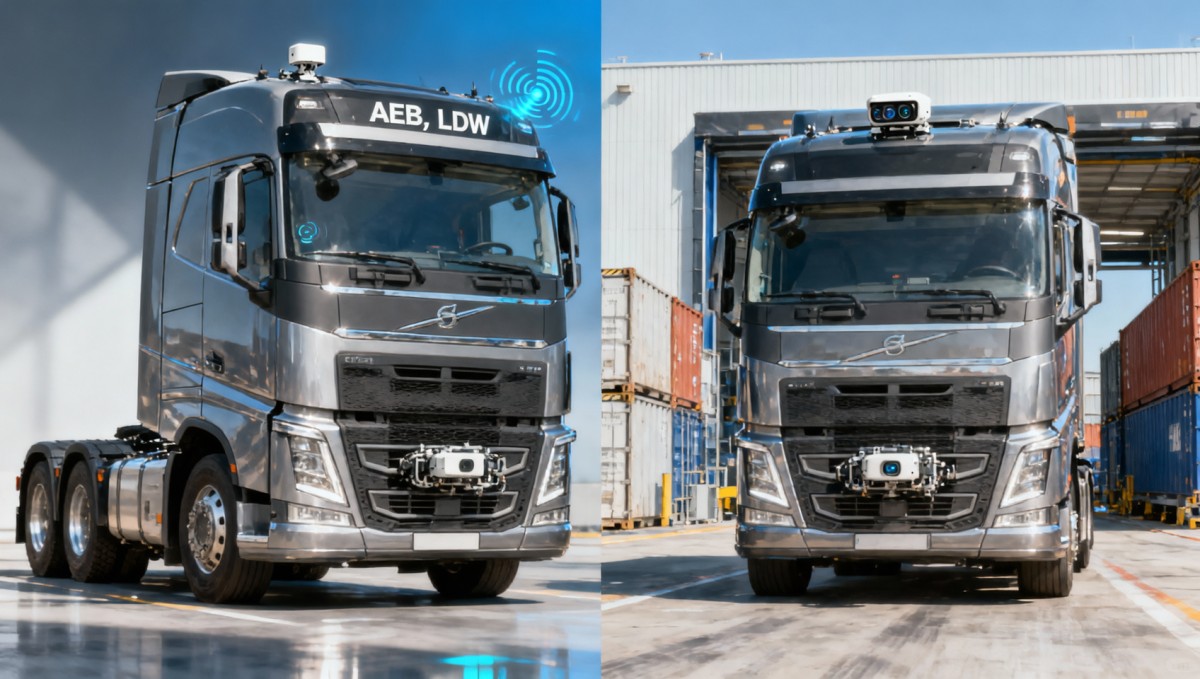
On August 1, 2026, EU ECE Regulation No. 152 entered into force, and heavy commercial vehicles entering the EU market, including heavy trucks, now need UN ECE type approval for L2+ driver-assistance functions such as AEB, ACC, LDW, and BAS, together with complete cybersecurity and software update management documentation. For Chinese truck exporters and their upstream system suppliers, the practical focus is now on market access, certification timing, and compliance cost.
What the new rule requires
The only confirmed facts in this update are straightforward: ECE Regulation No. 152 became effective on August 1, 2026; it applies to heavy commercial vehicles entering the EU market, including heavy trucks; and the L2+ intelligent driving assistance systems covered by the rule must obtain UN ECE type approval. The event summary also states that the relevant systems include AEB, ACC, LDW, and BAS, and that complete cybersecurity and software update management documentation must be submitted.
Where the impact is likely to land
Exporters selling finished trucks into the EU
From an industry perspective, the most direct pressure is on heavy truck exporters that rely on the EU market. The rule affects product access at the vehicle level, so certification is no longer just a technical formality. It becomes part of the commercial entry path, and that can affect quotation, launch timing, and delivery commitments.
Suppliers of assisted-driving systems
Systems tied to braking, cruise control, lane departure warning, and emergency braking will be pulled into the compliance chain. Even when the vehicle maker is the direct applicant, component and system suppliers may need to provide documentation that supports type approval and software-update traceability.
Compliance and certification service providers
What deserves closer attention is the documentation burden. Cybersecurity and software update management materials are not peripheral in this case; they are part of the approval package. That means certification support, documentation preparation, and internal audit readiness may become more important in the export process than they were under looser market-access assumptions.
What companies should watch next
Check whether current export models already cover the required systems
Companies should first verify which exported truck configurations include the relevant L2+ functions and whether those configurations are already aligned with UN ECE type-approval expectations. The issue is not only whether a vehicle has the function, but whether the function is documented and approved in the form now required for EU entry.
Separate policy wording from execution requirements
Analysis shows that a regulation taking effect does not automatically mean every company can operationalize it on the same timeline. The practical question is how each exporter, supplier, and certification partner handles the approval file, supporting documentation, and update-management evidence in real trade workflows.
Build in extra time for certification and document review
Because the rule affects both certification and paperwork, the main near-term operational risk is delay. Export plans that depended on fast model launches or short lead times may need more room for testing, review, and possible rework of technical files.
Keep communication aligned across sales, engineering, and compliance
For companies serving the EU market, the key is coordination. Sales teams need to avoid commitments that outpace approval status, engineering teams need to keep hardware and software records aligned, and compliance teams need to track what has been submitted and what remains to be confirmed.
How to read this signal now
Observably, this is more than a routine technical notice, but it should not be overstated as a complete market reset. It is better understood as a clear regulatory signal that advanced driver-assistance features for heavy commercial vehicles are moving into a stricter approval framework in the EU. For Chinese exporters, the immediate significance lies in access conditions, certification workload, and the discipline now required around software and cybersecurity documentation.
What can be confirmed from the available information
This article is based on the user-provided title, event date, and event summary. Related source types for this kind of update would normally include official regulatory notices, standard-setting documents, company announcements, industry association updates, and authoritative media reports. No specific official source link was provided in the input, so the exact source still needs continued verification.
NAVIGATION
Send Us A Message