



News
Explore what’s going on around the industry and get the latest from the world of heavy equipment and earth-moving.
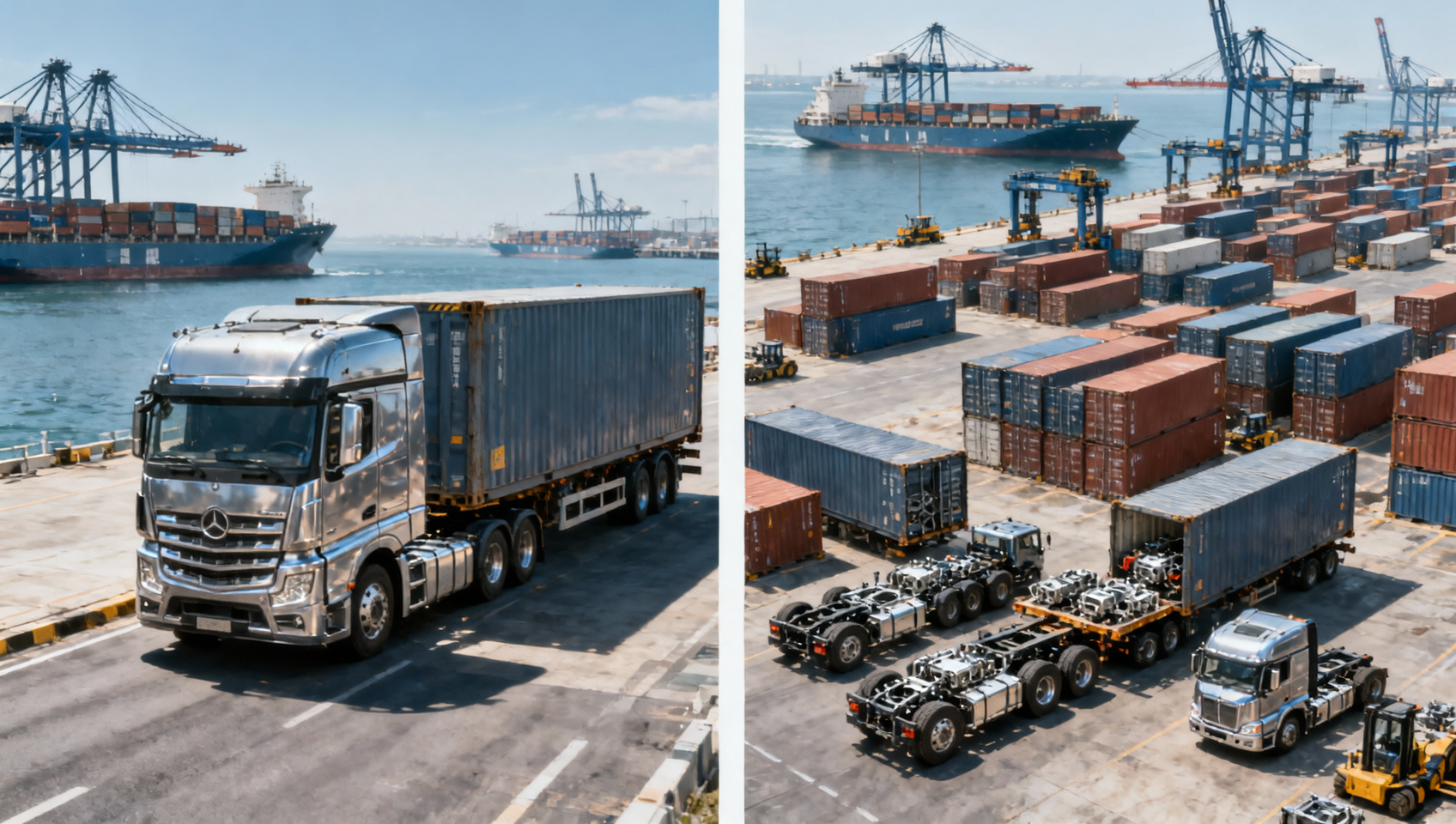
On July 10, 2026, the latest shipping data pointed to a material change in the operating environment for heavy truck exports on Asia-Europe routes: spot container rates rose sharply while vessel access tightened under the combined effect of normalized Red Sea diversions and stricter Suez Canal transit allocation. For exporters that rely on 40ft high-cube mixed loading, the issue is no longer limited to freight cost. It now reaches booking lead times, delivery scheduling, contract execution, and customer communication for shipments linked to the Middle East, Africa, and Latin America, which is why the trade and delivery implications merit close industry attention.
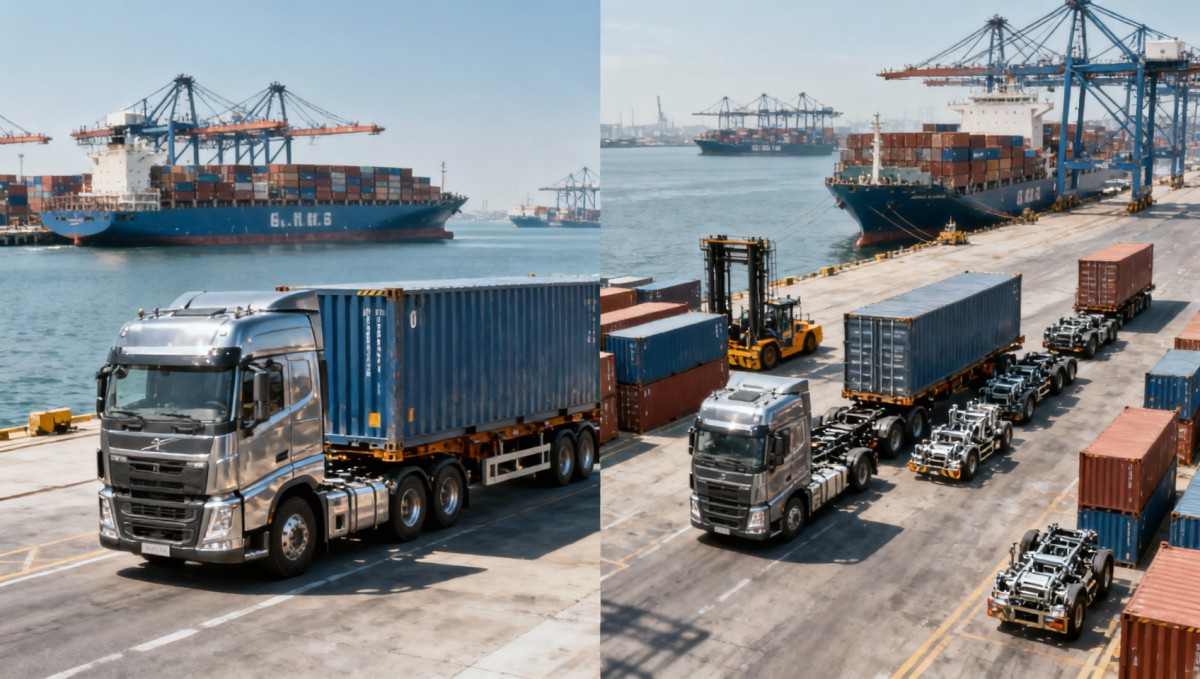
What the latest shipping data confirms
According to the latest data cited from Alphaliner and the Shanghai Shipping Exchange, in the week of July 10, 2026, spot container freight on the main Asia-Europe trunk routes, including Shanghai-Rotterdam and Shanghai-Hamburg, reached $4,850 per TEU, up 28% from the previous week.
The stated drivers were the normalization of Red Sea rerouting and tighter transit quotas for the Suez Canal.
For heavy truck exports, which commonly use 40ft high-cube mixed container loading, the average cycle from booking to loading at Shanghai Port reached 22 days. That was 6.5 days longer than the June average.
The same update also indicated that the extended cycle has already triggered delivery alerts by multiple vehicle manufacturers for customers in the Middle East, Africa, and Latin America.
Where the pressure is likely to show up first
Export execution is becoming harder to schedule
From an industry perspective, heavy truck exporters are likely to feel the impact first because the confirmed changes affect both freight cost and shipping lead time at the same time. The most exposed business steps are booking, loading coordination, shipment timing, and delivery commitment management. What deserves closer attention is whether existing export documents, shipping schedules, and customer-facing delivery promises still align with the longer port cycle now reflected in the market data.
Procurement and production planning may face timing mismatches
For manufacturers and upstream supply planners, the longer booking-to-loading period can create a mismatch between factory release timing and outbound shipment windows. Analysis shows that this is less about a new product rule and more about an operational rule change in logistics availability. Even so, companies involved in export production need to watch whether procurement timing, finished-unit staging, and loading readiness documents still match revised shipment expectations.
Supply chain service providers will need tighter document and slot coordination
For freight forwarders, booking agents, and other supply chain service providers, the relevant impact lies in slot allocation, shipment sequencing, and document accuracy under a tighter vessel access environment. Observably, when booking cycles lengthen, errors or delays in cargo readiness records, packing arrangements, and shipping document handover can become more costly. That makes execution discipline more important even without any newly stated formal regulation in the input.
Overseas buyers and channel partners may focus more on delivery certainty
For overseas buyers, distributors, and downstream commercial partners, the practical concern is whether delivery windows remain credible under higher freight volatility and longer shipment preparation cycles. The immediate issue is not only price pass-through but also whether contract performance, arrival planning, and after-sales preparation need to be adjusted to reflect the current shipping reality signaled by the latest data.
What companies should review now
Check whether delivery commitments still match current shipping conditions
Analysis shows that companies with active export programs should review booking assumptions used in quotations, order confirmation, and dispatch planning. The current 22-day average cycle at Shanghai Port suggests that shipment timing assumptions based on shorter June conditions may no longer be reliable.
Revisit freight clauses and trade execution documents
What deserves closer attention is whether freight-sensitive terms in commercial documents are still workable under a week-on-week rate increase of 28% on the Asia-Europe trunk routes. Even where the input does not provide execution details, companies should closely track whether internal approval thresholds, shipping instructions, and customer notices need updating to reflect the changed cost and timing environment.
Watch mixed-loading arrangements for heavy truck exports
Because heavy truck exports commonly use 40ft high-cube mixed loading, operational review should focus on cargo readiness, loading sequence, and booking coordination tied to that shipping method. This should be understood as a practical control point rather than a confirmed new rule, but it is directly connected to whether longer booking cycles translate into further delivery disruption.
Prepare for closer customer communication in affected destinations
Observably, the fact that delivery alerts have already been triggered for customers in the Middle East, Africa, and Latin America means exporters should pay more attention to shipment status communication, delivery expectation management, and supporting trade documentation. The current information does not establish a final market outcome, so the immediate task is continued monitoring rather than assuming a settled new normal.
Why this matters beyond a single freight increase
Analysis shows that this development is better understood as an execution signal than as a standalone freight headline. The confirmed facts point to a logistics environment in which route disruption and tighter canal transit allocation are already affecting shipping access, transit preparation, and export delivery confidence. It is more appropriate to understand this as an already visible operating change, while the full extent of downstream contract, procurement, and channel effects still requires observation.
From an industry perspective, continued attention should center on how market participants adjust delivery wording, shipment planning, and trade documentation in response to longer booking cycles. The key issue is not whether freight has risen for one week alone, but whether the combined routing and allocation constraints continue to shape real execution behavior.
How the market should read this development
The current signal is clear: for heavy truck exporters using containerized mixed loading, shipping disruption is now showing up in measurable cost and timing pressure. The confirmed increase in spot rates and the extension of Shanghai Port booking-to-loading cycles indicate that delivery risk is already moving closer to actual export execution.
At the same time, a cautious reading remains necessary. The available information supports a view of immediate operational pressure, but it does not by itself confirm a fixed long-term outcome. For now, this is best understood as an implemented market constraint with broader execution implications that still need to be tracked through subsequent shipping conditions and industry response.
Basis of this article and what still needs verification
This article is based on the user-provided news title, event date, and event summary. For developments of this kind, relevant source types usually include official notices, regulator publications, customs or trade authority information, industry association updates, standards body documents, and reporting by authoritative media. A specific official source link was not provided in the input, so further verification remains necessary.
Items that still warrant follow-up include subsequent execution guidance, market interpretation of transit and booking conditions, possible changes in customer delivery requirements, adjustments in tender or trade documents, and broader industry feedback on how exporters and logistics providers are implementing responses.
NAVIGATION
Send Us A Message