



News
Explore what’s going on around the industry and get the latest from the world of heavy equipment and earth-moving.
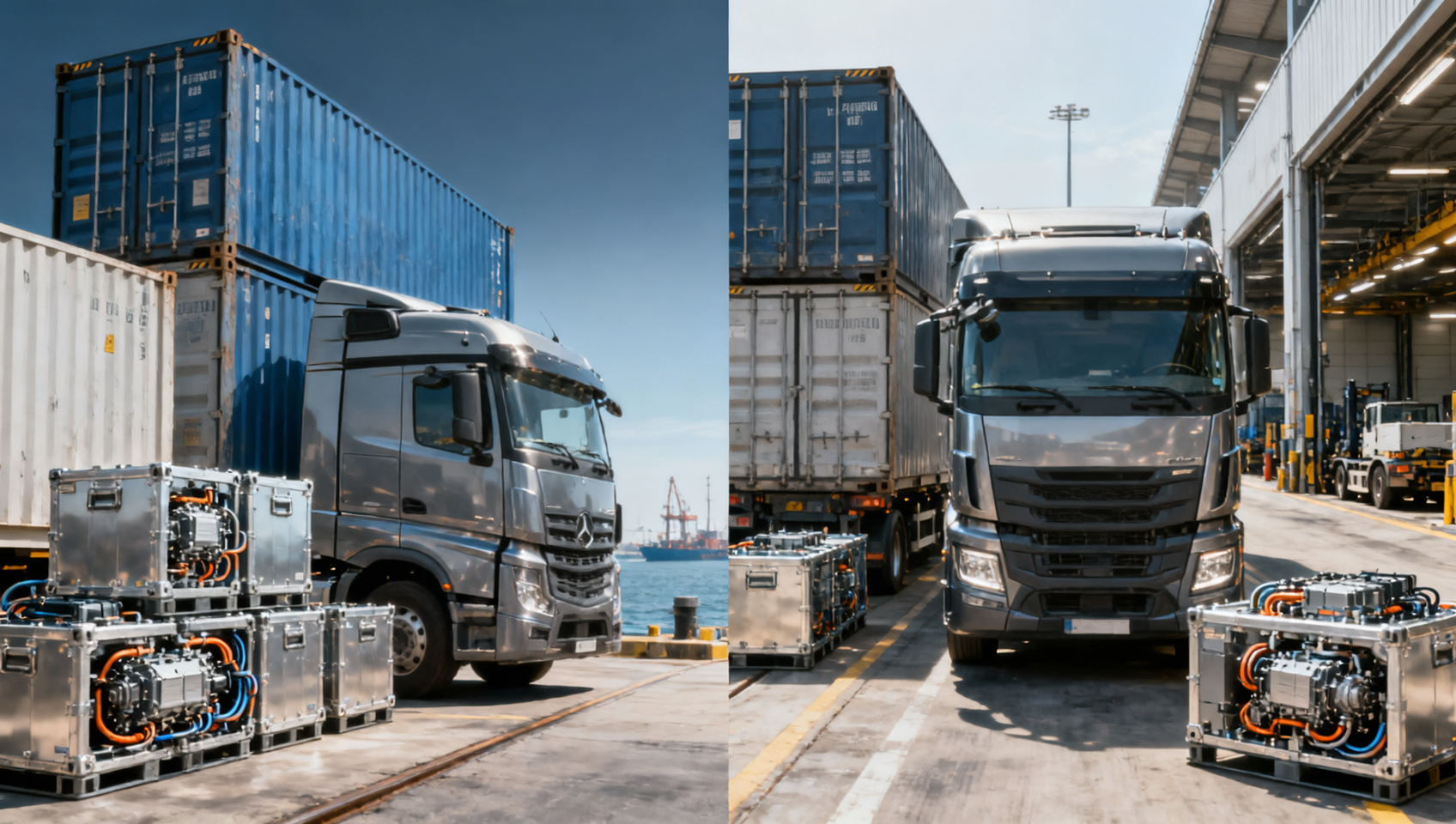
On July 30, 2026, the European Commission released version 2.2 of its implementation guide for heavy-duty vehicle CO2 regulation, with mandatory application starting on August 15. The update is drawing close attention across the heavy truck export chain because it brings Chinese-exported heavy-duty trucks into lifecycle carbon footprint review and requires importers to prepare third-party certified LCA documentation as well as battery and powertrain traceability records. For vehicle manufacturers, KD kit exporters, importers, and customs-facing supply chain teams, the issue is no longer only regulatory wording but also document readiness, clearance timing, and market access continuity.
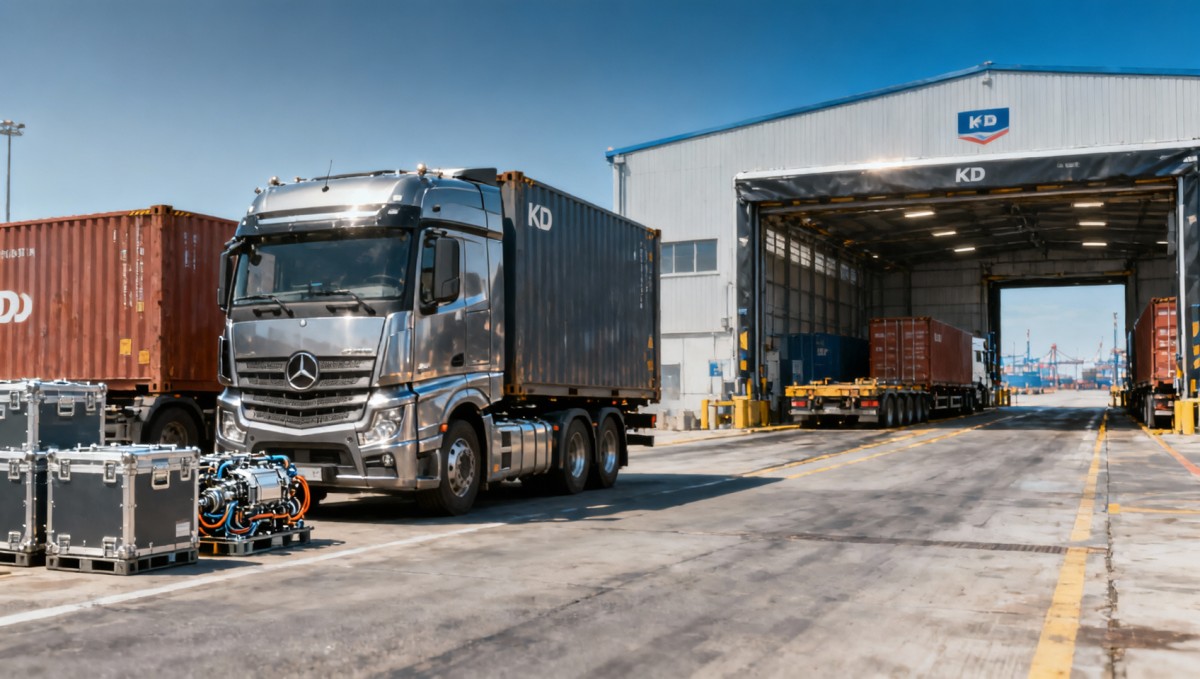
What the new guide formally sets out
The confirmed facts are limited but commercially significant. The European Commission officially issued the Heavy-Duty Vehicle CO2 Regulation Implementation Guide v2.2 on July 30, 2026. The new guide is scheduled to become mandatory on August 15.
According to the provided event summary, the guide explicitly places heavy trucks exported from China within the scope of lifecycle carbon footprint verification. It also requires importers to provide third-party certified LCA reports together with traceability documents covering batteries and power systems.
The same summary states that the rule change directly affects customs clearance timing and market access qualifications for Chinese complete vehicle manufacturers and KD parts exporters.
Where the pressure is likely to appear first
Export-facing truck manufacturers
From an industry perspective, complete vehicle exporters are likely to feel the impact first because the new requirements connect compliance directly with market entry. The main pressure point is not only product delivery, but whether lifecycle carbon documentation and traceability materials can support import procedures without delay. What deserves closer attention is the quality, completeness, and consistency of files prepared for EU-facing transactions.
KD kit and component exporters tied to final assembly programs
KD exporters may also face more scrutiny where batteries or power systems are involved in the export package or in supporting documentation. Analysis shows that even where the exporter is not the final importer, document coordination may become a practical issue if downstream partners need traceability evidence to complete compliance files. In business terms, this can affect shipment timing, supporting paperwork, and customer acceptance conditions.
Importers and customs-facing operators
Importers are directly named in the summary as the parties required to provide third-party certified LCA reports and traceability documents. Observably, this places operational pressure on customs brokers, compliance teams, and logistics coordinators who must align document collection with filing and clearance timelines. The immediate concern is whether documentation can be produced in a form that supports timely entry rather than creating avoidable hold points.
Supply chain documentation and service providers
Service providers supporting trade compliance, certification workflows, or supply chain traceability may see a more document-intensive process. Analysis shows that the new guide matters not because it introduces a broad market narrative, but because it can change the burden of proof in day-to-day export execution. That makes document control, file handover, and cross-border communication more sensitive than before.
What companies should watch now
Separate confirmed requirements from internal assumptions
Companies should first anchor their response in the confirmed points only: mandatory application begins on August 15; Chinese-exported heavy trucks are included in lifecycle carbon footprint verification; and importers must provide third-party certified LCA reports plus battery and powertrain traceability documents. Analysis shows that teams should avoid building workflows around assumptions that are not stated in the provided information.
Check whether current files can support importer-side submission
What deserves closer attention is whether existing export documentation can actually support importer obligations. Even where manufacturers and exporters already hold technical or supply chain records, the commercial issue is whether those materials match the form, traceability depth, and certification expectations implied by the new guide.
Review contracts, lead times, and customer communication
Observably, the rule change may affect more than compliance teams alone. Sales operations, delivery planning, and account management should review whether agreed shipment dates, document handover timing, and customer responsibilities remain workable once the August 15 effective date applies. This is especially relevant where customs timing and admission status may depend on document completeness.
Continue tracking official wording and practical enforcement
Analysis shows that there is a difference between a published compliance guide and its operational interpretation in trade flows. Companies should therefore monitor whether follow-up official wording, importer feedback, or customs practice produces additional clarification on how lifecycle carbon footprint review and traceability evidence will be handled in real transactions.
Why this reads as more than a routine update
This section is analysis rather than confirmed fact. It is more appropriate to understand this development as a concrete compliance signal with near-term operational consequences, not merely a policy headline. The reason is straightforward: the published change is tied to a mandatory date, names specific documentation categories, and is described as directly affecting customs clearance efficiency and market access qualifications.
At the same time, it should not yet be overstated into a fully settled long-term outcome. Observably, the market still needs to watch how documentation expectations are interpreted in practice, how importers organize evidence collection, and whether additional clarification emerges around execution. In that sense, the update is both an immediate procedural change and a continuing area for close monitoring.
How the industry may need to read this moment
In summary, the new EU implementation guide matters because it links heavy-duty vehicle carbon compliance more directly to entry documentation for Chinese exports. The confirmed change is already specific enough to affect importer preparation, exporter document readiness, and customs-facing workflows from mid-August.
A balanced reading is that this is neither a minor wording revision nor a basis for sweeping conclusions beyond the provided facts. It is more appropriate to understand it as an actionable compliance development with immediate document and process implications, while leaving room for continued observation on enforcement details and practical market response.
Basis of this article and what still needs verification
This article is based on the user-provided news title, event date, and event summary. The content has been written from the confirmed information that the European Commission released the Heavy-Duty Vehicle CO2 Regulation Implementation Guide v2.2 on July 30, 2026, that mandatory application starts on August 15, and that the update covers lifecycle carbon footprint verification for Chinese-exported heavy trucks together with importer obligations for third-party certified LCA reports and battery and powertrain traceability documents.
For this type of industry update, commonly relevant source categories may include official announcements, company disclosures, industry association materials, authoritative media coverage, and standard or regulatory documents. A specific official source link was not provided in the input, so the exact source document and any later interpretive updates still need ongoing verification. Continued attention should focus on any further official clarification, importer-side implementation details, and practical customs treatment after the rule becomes mandatory.
NAVIGATION
Send Us A Message