



News
Explore what’s going on around the industry and get the latest from the world of heavy equipment and earth-moving.
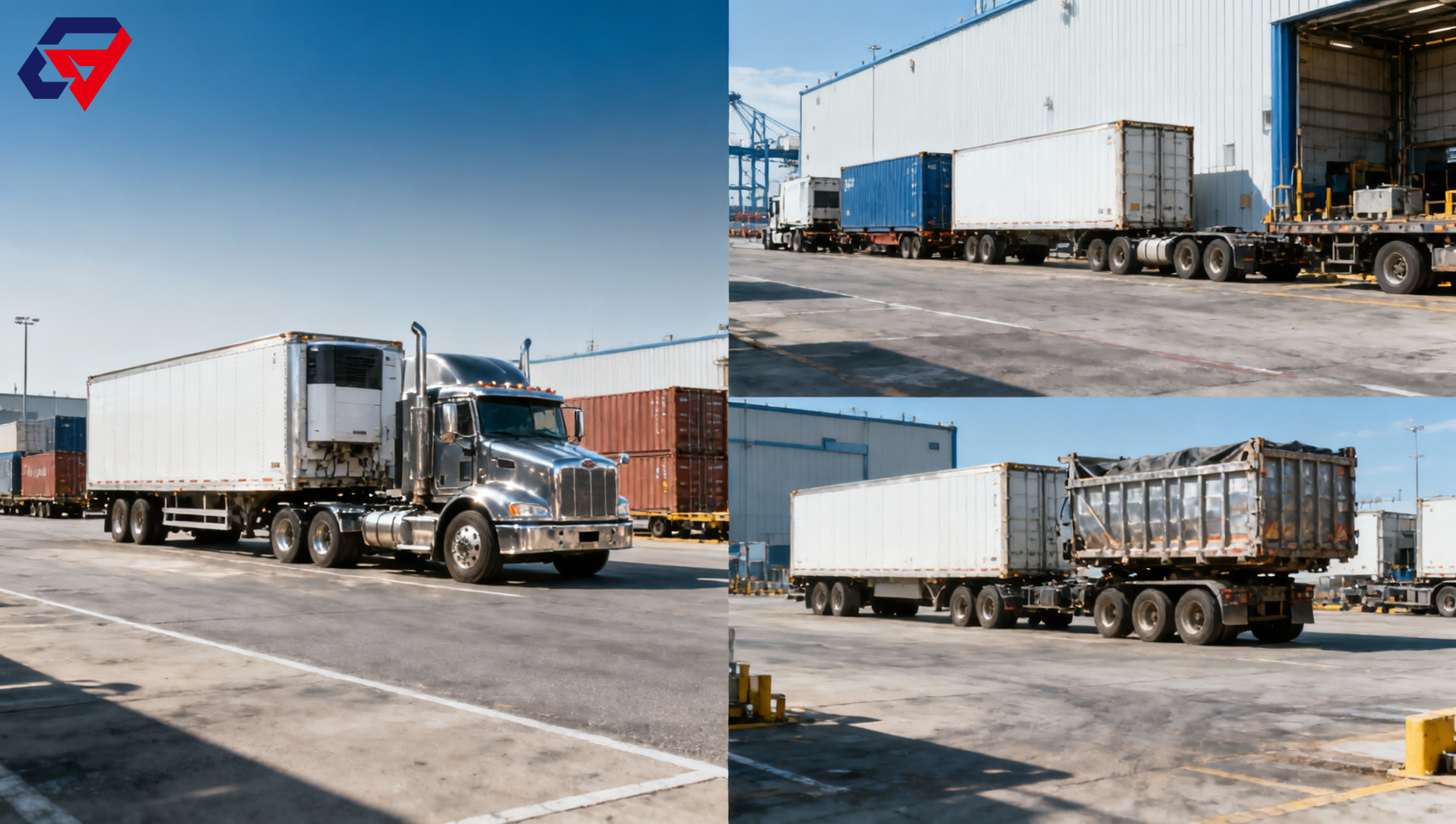
On June 4, 2026, a trade rule change took effect for truck body imports from China into Canada as the Canada Border Services Agency (CBSA) issued final anti-dumping and countervailing determinations. With combined duties for other exporters reaching 257.1%, the development deserves attention from importers, exporters, upfit suppliers, and logistics-related service providers because it directly affects landed cost calculations, customs planning, and sourcing decisions for heavy-truck bodies such as refrigerated bodies, dump bodies, and engineering upfits.
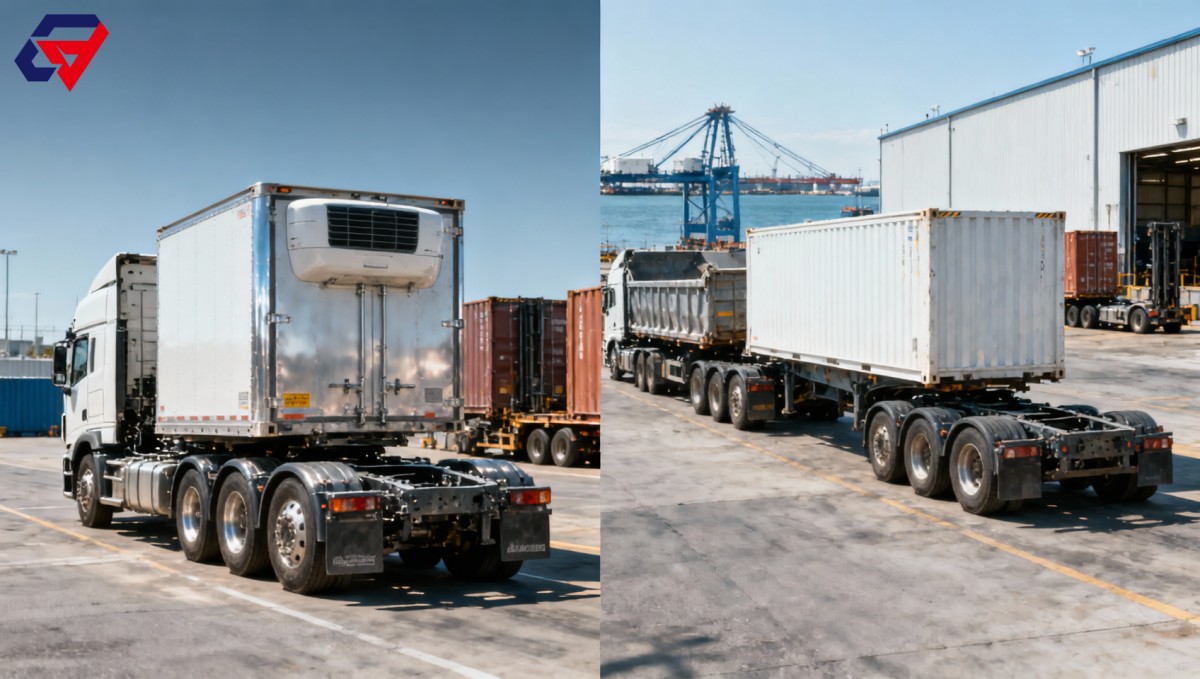
A confirmed shift in the import cost framework
The confirmed facts are limited but commercially significant. The event date is June 4, 2026. On that date, CBSA made final anti-dumping and anti-subsidy determinations covering truck bodies from China. For other exporters, the combined rate reaches 257.1%. The ruling directly affects exports to Canada of heavy-truck upfit products, including refrigerated bodies, dump bodies, and engineering-related bodies. The immediate practical implication identified in the input is that importers need to assess customs clearance cost, compliant alternatives, and possible supply chain adjustment paths.
Where the pressure is likely to appear first
Import planning and customs cost control
From an industry perspective, importers are among the first parties exposed to the rule change because the duty outcome directly alters landed cost. The main pressure point is no longer only product price, but the full import calculation at clearance. What deserves closer attention is whether current purchase terms, customs documentation, and shipment timing still support commercially viable entry into the Canadian market under the new duty burden.
Chinese exporters of truck upfit products
Chinese suppliers of truck bodies and related upfit products may feel the impact through order continuity, quotation strategy, and delivery planning for the Canadian market. Analysis shows that the key issue is not only pricing pressure, but also whether exporters can still align with customer requirements on lead time, documentation readiness, and trade-risk allocation once the final ruling is in force.
Procurement and fleet equipment sourcing
Buyers of refrigerated bodies, dump bodies, and other engineering upfits may need to revisit sourcing assumptions. Observably, the affected business link is procurement execution: budget approval, supplier comparison, and delivery scheduling may all require review if import cost expectations have changed materially. In practice, buyers should pay closer attention to whether tender specifications, technical alignment, and supply commitments remain workable under the new trade conditions.
Supply chain and delivery coordination
Supply chain service providers, including parties involved in shipping, customs handling, and delivery coordination, may also face operational adjustments. The reason is straightforward: once the rule changes the import cost structure, shipment routing, declaration preparation, and delivery sequencing can all come under review. What deserves closer attention is not only transportation itself, but also whether documentation and clearance preparation are sufficient for a more sensitive trade environment.
What companies should review now
Recheck trade and customs documentation
Analysis shows that companies involved in affected shipments should promptly recheck commercial and customs-facing documents tied to truck body imports and exports. Even without additional execution detail in the input, it is reasonable to treat document accuracy, product scope confirmation, and internal review procedures as immediate priorities.
Review sourcing alternatives without assuming quick substitution
It is more appropriate to understand this stage as a need for structured sourcing review rather than an automatic switch to replacement supply. Importers and buyers may need to compare compliant alternatives, but the available input does not confirm how quickly alternatives can be implemented. That makes procurement validation and supplier qualification a key observation point rather than a settled outcome.
Watch delivery commitments and contract exposure
For ongoing or upcoming orders, companies should focus on how the final ruling may affect delivery cost assumptions, contract execution, and after-sales commitments. Observably, the immediate issue is whether prior commercial arrangements still match the new import environment, especially where timing, acceptance, or service obligations depend on predictable clearance cost.
Follow official wording and market execution closely
Because the input does not provide detailed operational guidance beyond the final determinations and the duty level for other exporters, companies should continue tracking official wording, practical enforcement interpretation, and customer-side implementation. This is particularly relevant for businesses that rely on recurring Canadian orders or product categories closely tied to heavy-truck upfit demand.
Why this reads as an execution signal
Observably, this development is better understood as an already effective trade measure rather than a distant policy discussion. The final determinations and stated combined duty exposure create an immediate compliance and cost review trigger for the affected trade flow. At the same time, analysis shows that the full commercial impact still depends on how importers, exporters, and downstream buyers adjust procurement, quotation, and delivery practices. For that reason, the market should treat this as both a landed rule change and a continuing execution issue that warrants close follow-up.
How the market may need to frame this change
The clearest industry meaning of this case is that trade remedies have moved from background risk to active operating conditions for truck body shipments from China to Canada. A neutral reading is more useful than an exaggerated one: the ruling does not by itself define every downstream outcome, but it does require immediate review of customs cost, supply options, and transaction structure. It is more appropriate to understand this development as a concrete compliance and trade-execution change with further market response still to be observed.
Basis of this article and what still needs verification
This article is generated from the user-provided news title, event date, and event summary. For developments of this type, relevant source categories usually include official notices, releases from regulatory authorities, customs or trade-administration information, industry association updates, standard-setting documents, and reporting by authoritative media. A specific official source link was not provided in the input, so further verification is still necessary. What remains worth monitoring includes any later official clarification, enforcement interpretation, tender-document changes, market feedback, and how affected companies implement procurement, compliance, and delivery adjustments.
NAVIGATION
Send Us A Message