



News
Explore what’s going on around the industry and get the latest from the world of heavy equipment and earth-moving.

On July 26, 2026, the European Commission released new implementation rules for carbon footprint verification covering imported heavy commercial vehicles in the M3 and N3 categories. From an industry perspective, this matters not only to truck exporters from China and other third countries, but also to certification bodies, customs-facing compliance teams, logistics planners, importers, and buyers managing delivery schedules into the EU. The immediate relevance is practical: carbon compliance is being tied directly to import clearance, with implications for documentation readiness, lead times, and landed cost.
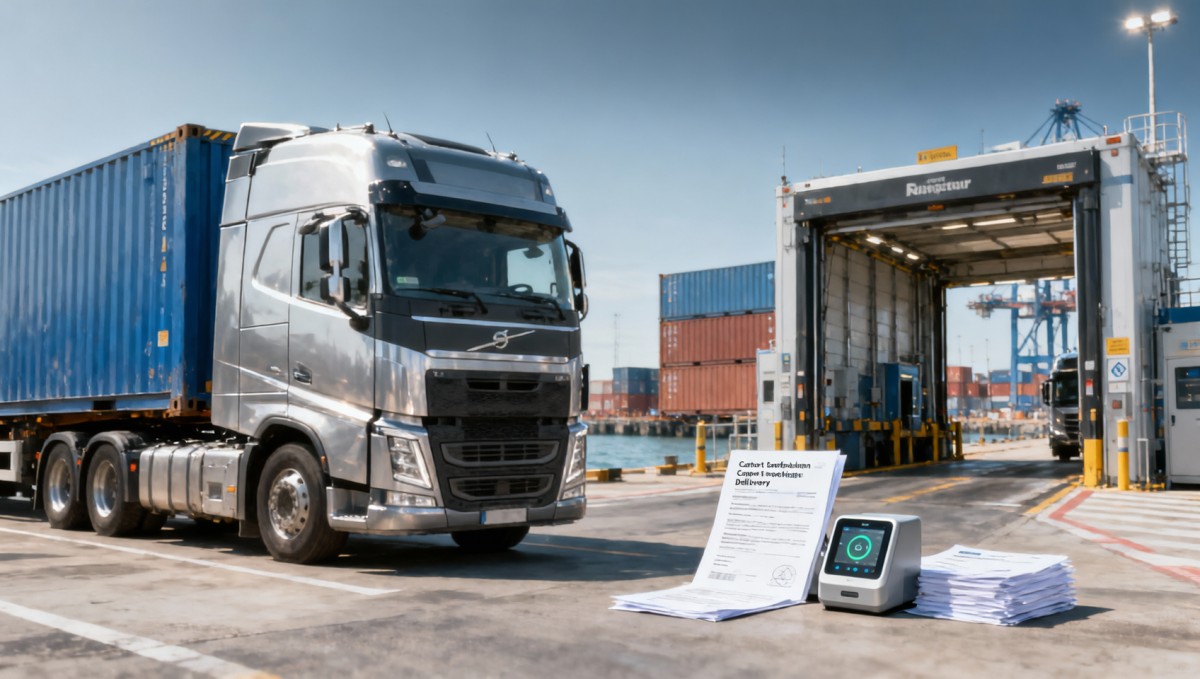
What the new import requirement says
According to the information provided, the European Commission issued the Detailed Rules for the Implementation of Imported Carbon Footprint Verification for Heavy Commercial Vehicles (M3/N3) on July 26, 2026. The requirement applies to heavy trucks imported from third countries, including China.
Before customs clearance, imported vehicles must be accompanied by a life cycle assessment (LCA) report issued by an EU-recognized CB certification body. The documentation must also include an eIDAS digital signature.
The rule is set to become mandatory from August 2026. Vehicles that do not obtain the required certification may be denied entry or face an additional carbon adjustment charge.
Where the pressure will be felt first
Export programs shipping into the EU
Export-oriented vehicle makers and direct trading companies are likely to feel the most immediate impact because the new rule is linked to pre-clearance documentation. The main business effect is likely to show up in shipment preparation, customs document completeness, and delivery sequencing. What deserves closer attention is whether current export workflows already include sufficient time and coordination for LCA verification and digital signing.
Import-side compliance and customs handling
EU importers, customs brokers, and service providers handling border procedures may also face added operational pressure. Their exposure comes from the need to ensure that each imported heavy truck has compliant certification in place before clearance. The key change to watch is that carbon documentation appears to be shifting from a supporting compliance item to a gatekeeping requirement for market entry.
Supply chain scheduling and contract execution
Supply chain service providers and delivery management teams may be affected through timing rather than manufacturing itself. Analysis shows that when certification becomes a precondition for entry, any delay in report issuance, document validation, or signature completion can affect shipment release and downstream handover. For companies with time-sensitive delivery obligations, the practical concern is not only cost but also contract performance and customer communication.
Buyers and procurement teams in the EU market
Purchasing teams and end-market commercial operators may need to pay closer attention to supplier readiness. The issue is not simply whether a vehicle can be ordered, but whether it can enter the EU on schedule under the new documentation regime. From an industry perspective, procurement risk may increasingly include certification visibility, not just price, specification, and delivery commitment.
What companies should monitor now
Readiness of LCA documentation
Companies involved in exports to the EU should closely review whether their existing product files and compliance records can support an LCA report issued by an EU-recognized CB certification body. The operational question is straightforward: whether the required materials can be assembled in time for customs-facing use.
Execution around eIDAS digital signing
The eIDAS digital signature element deserves separate attention because it adds a formal digital compliance layer beyond the report itself. Businesses should distinguish between having technical assessment content and having import-ready documentation accepted in the required format.
Delivery planning and customer communication
Because the rule is described as affecting lead times and compliance cost, exporters and importers should pay attention to how certification timing may alter promised delivery windows. This is especially relevant where customer commitments were set before the new implementation timetable became clear.
Exposure to denial of entry or added charges
What deserves closer attention is the enforcement consequence. The information provided states that uncertified vehicles may either be refused entry or subject to an additional carbon adjustment fee. Companies should therefore treat this as a market access issue, not merely a documentation formality.
Why this looks bigger than a filing update
Observably, this development is more than an administrative adjustment because it connects lifecycle carbon verification directly to border access for imported heavy trucks. Analysis shows that the most important signal is the integration of certification, digital authentication, and customs timing into one compliance chain.
At the same time, it is more appropriate to understand this as both an immediate operational change and a longer-term policy signal. The immediate part is clear from the August 2026 mandatory implementation. The longer-term signal is that carbon documentation for heavy commercial vehicle trade is being formalized in a way that can influence supplier selection, order planning, and import execution. Even so, any broader market outcome beyond these points still requires continued observation.
How to read the move at this stage
At this stage, the rule is best understood as a near-term compliance requirement with wider strategic implications for cross-border truck trade into the EU. The confirmed facts already point to tangible effects on clearance readiness, certification cost, and delivery planning. A neutral reading is that the industry should not overstate downstream market outcomes yet, but it should treat the implementation timeline and documentation chain as active business issues now.
Basis of this article and what still needs verification
This article is based on the user-provided news title, event date, and event summary concerning the European Commission's July 26, 2026 release of updated carbon compliance rules for imported heavy-duty commercial vehicles. For this type of industry development, relevant source categories usually include official government or regulatory announcements, company disclosures, industry association updates, authoritative media reports, and standards-related documents.
A specific official source link was not provided in the input, so the exact publication record and any subsequent clarifications still need ongoing verification. Follow-up attention should remain on official wording, implementation details in practice, and whether any further explanatory guidance affects certification workflow, customs treatment, or the handling of additional carbon charges.
NAVIGATION
Send Us A Message