



News
Explore what’s going on around the industry and get the latest from the world of heavy equipment and earth-moving.
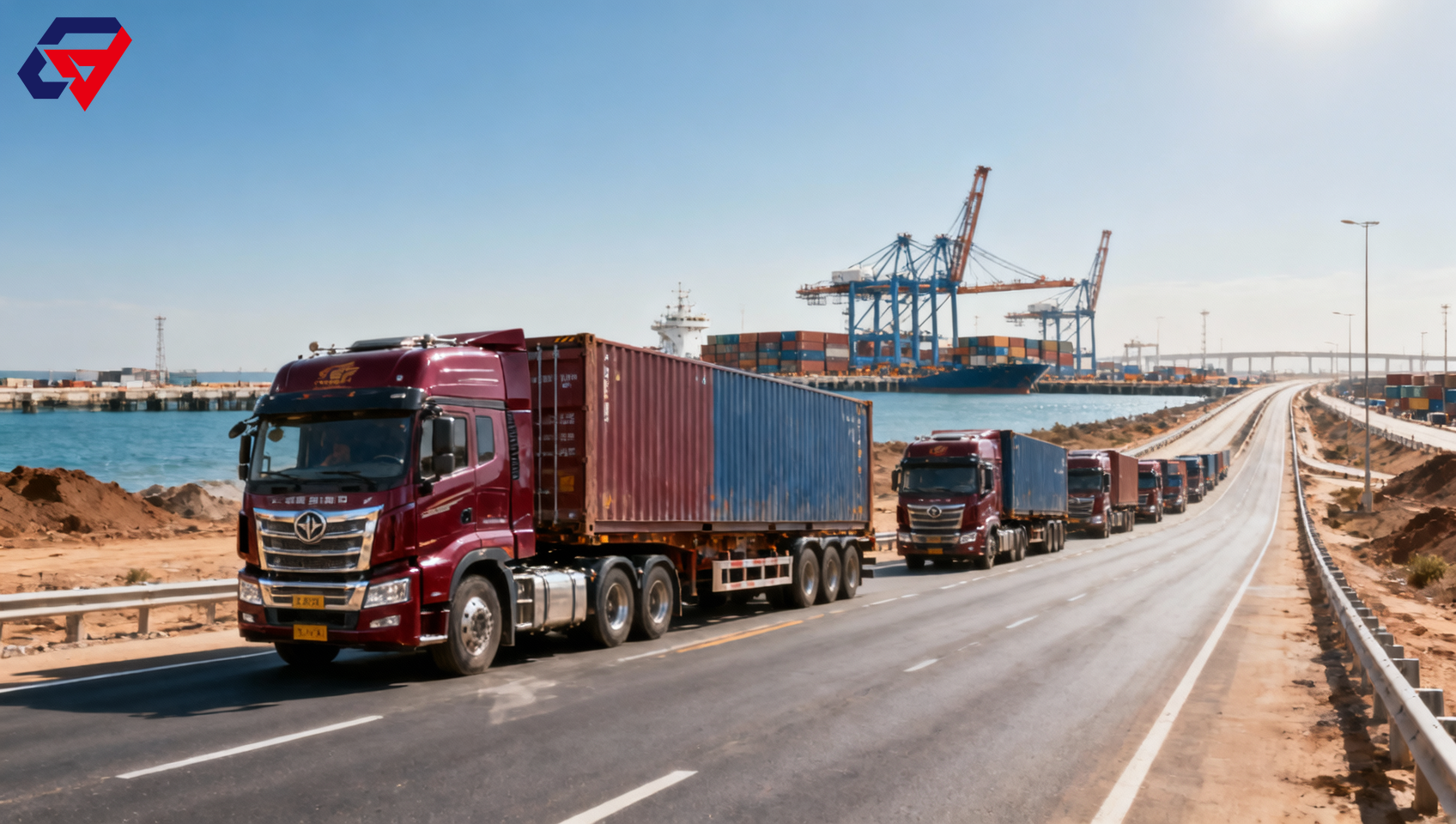
From February 2026, the African Union has formally put the African Infrastructure Financing Facility (AIFF) into operation, with an initial pipeline linked to more than US$12 billion in cross-border road and port projects. For the market, the development is worth watching not only as an infrastructure financing update, but also as a signal for heavy truck makers, engineering participants, logistics operators, procurement teams, and local assembly partners as project access increasingly appears to be tied to integrated delivery models rather than vehicle supply alone.
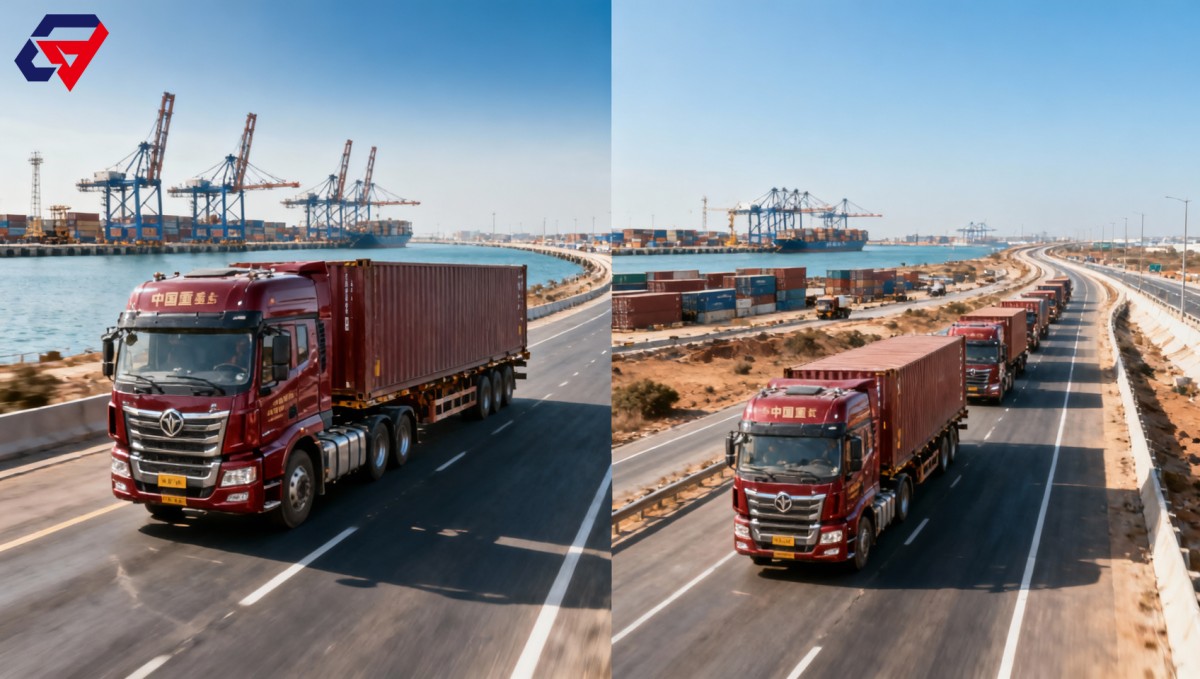
What Has Been Confirmed So Far
The confirmed facts are relatively clear. The AIFF began formal operation from February 2026. Its first batch is mobilizing more than US$12 billion in cross-border road and port projects. At the same time, Chinese heavy truck companies are participating in bidding through a bundled model that combines vehicles, engineering, and financing. In Tanzania, Ghana, and Kenya, the market has already shown a trend toward pre-locked orders and the parallel establishment of local KD plants.
Why the Impact Extends Beyond Vehicle Sales
Project owners and procurement teams are facing a broader sourcing framework
From an industry perspective, project-linked purchasing may be affected first. If bidding increasingly favors a bundled "vehicle + engineering + financing" structure, procurement decisions may shift from comparing truck specifications alone to evaluating package delivery capability, financing coordination, and implementation readiness. What deserves closer attention is whether future purchasing processes place greater weight on integrated proposals and local execution support.
Heavy truck manufacturers may need to compete on system capability
Analysis shows the immediate implication for truck makers is not just demand visibility, but a change in how orders are secured. Pre-locked orders suggest that sales activity may move earlier in the project cycle, while the emergence of local KD plants points to a closer connection between market access and localized production planning. For manufacturers, the affected business links are likely to include bidding coordination, production scheduling, delivery arrangements, and local partner selection.
Supply chain and logistics service providers may face earlier involvement
For supply chain service providers, the shift matters because cross-border road and port projects can pull vehicle deployment, parts planning, transport organization, and local delivery preparation into the same commercial conversation. Observably, if orders are being locked in before final project rollout, service providers may need to engage earlier on lead times, documentation, and fulfillment sequencing rather than waiting for conventional post-award demand signals.
Local assembly and supporting service networks are becoming more relevant
The confirmed mention of local KD plants in Tanzania, Ghana, and Kenya indicates that assembly and after-sales support may become more closely linked to project participation. Analysis shows this does not yet prove a uniform market model across Africa, but it does suggest that local industrial setup, service coverage, and operational responsiveness may carry more weight in project-based competition than in standalone export transactions.
What Companies Should Track Next
Watch for rule details behind the financing mechanism
Companies should pay close attention to how the AIFF is described in subsequent official communications, especially where financing arrangements connect with project qualification, supplier participation, and delivery structure. The current signal is meaningful, but the practical business impact will depend on how rules, project procedures, and eligibility conditions are communicated over time.
Separate financing headlines from executable orders
What deserves closer attention is the difference between financing activation and actual project conversion. The current information confirms the mechanism is operating and that initial projects have been mobilized, but companies still need to distinguish between financing momentum, bid-stage opportunities, and contracts that are ready for production and shipment planning.
Prepare for earlier commercial locking and localized execution
Because pre-locked orders have already appeared in Tanzania, Ghana, and Kenya, manufacturers, suppliers, and service partners may need to prepare earlier for customer communication, model matching, delivery timing, and local coordination. For businesses involved in parts, assembly, or support services, local readiness may become part of the commercial threshold rather than a later expansion step.
Review documentation and partner readiness for bundled bids
Analysis shows that companies pursuing project-linked opportunities should focus on whether their documentation, partner structure, and execution timeline fit a bundled bidding model. In practical terms, that means watching supplier qualifications, delivery commitments, coordination with engineering parties, and the internal ability to respond to package-style procurement rather than single-product tenders.
How This Signal Should Be Read at This Stage
Observably, this development is more than a short-term sales update, because it links infrastructure finance, project delivery, and commercial vehicle participation in one framework. At the same time, it is too early to treat it as a fully settled market outcome across all African markets. The clearer interpretation for now is that a project-led, integrated participation model is gaining visibility, while the pace, scope, and repeatability of that model still require continued observation.
A Practical Reading of the Current Shift
For the industry, the main significance lies in how financing-backed infrastructure projects may start reshaping entry points into cross-border logistics and transport-related equipment demand. It is more appropriate to understand this development as a medium- to long-term signal with early commercial evidence, rather than as a completed structural change. Companies that monitor bidding structure, localization moves, and order timing are likely to be better positioned than those watching vehicle demand alone.
Basis of This Article and Ongoing Verification
This article is based on the user-provided news title, event date, and event summary. For developments of this type, relevant source categories usually include official announcements, company statements, industry association information, authoritative media reporting, and standard-setting or public policy documents. A specific official source link was not provided in the input, so further verification remains necessary. Follow-up attention should remain on later official wording, project-level implementation details, and whether the bundled participation model and local KD rollout continue to expand in confirmed disclosures.
NAVIGATION
Send Us A Message