


News
Explore what’s going on around the industry and get the latest from the world of heavy equipment and earth-moving.
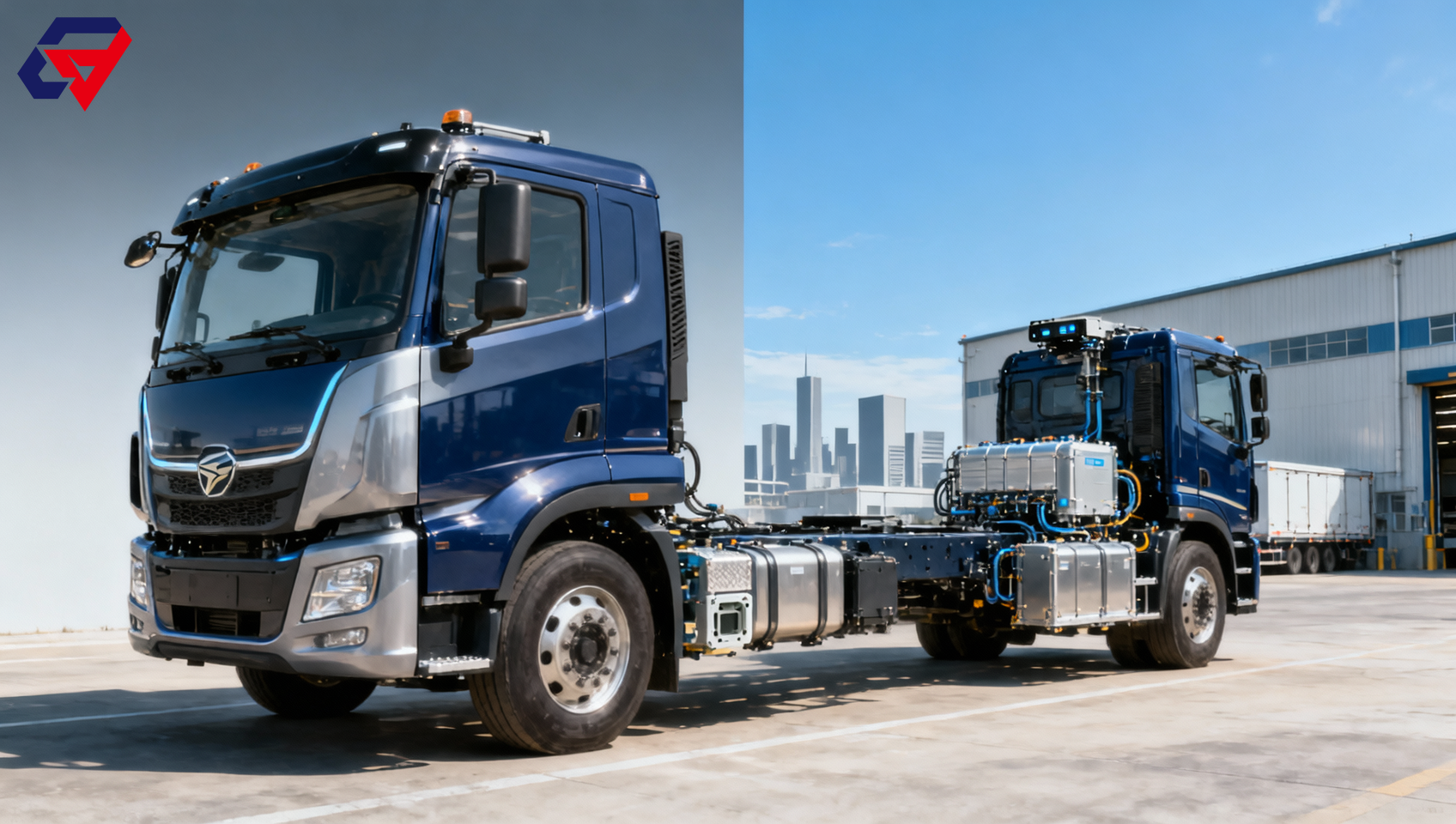
On May 9, 2026, China’s Ministry of Transport and the National Development and Reform Commission jointly issued the Implementation Rules for the 2026 New Energy Urban Bus and Special Vehicle Replacement Subsidy. The policy explicitly includes battery-electric and hydrogen-fuel special-purpose vehicles—such as light- and medium-duty new energy heavy-duty truck chassis adapted for postal, cold-chain, and urban distribution applications—in its subsidy scope. While targeted at domestic fleet renewal, the measure is expected to influence upstream component exporters, international standard alignment efforts, and overseas procurement evaluations—making it relevant for EV component suppliers, commercial vehicle OEMs, export compliance specialists, and logistics equipment integrators.
Event Overview
On May 9, 2026, the Ministry of Transport and the National Development and Reform Commission jointly released the Implementation Rules for the 2026 New Energy Urban Bus and Special Vehicle Replacement Subsidy. The document specifies that pure electric and hydrogen fuel-powered special-purpose vehicles—including postal, cold-chain, and urban distribution models built on light- and medium-duty new energy heavy-duty truck chassis—are newly eligible for subsidies. The average per-vehicle subsidy amount is set at RMB 80,000 (approximately USD 8,000). The policy applies to domestic urban bus and special vehicle replacement projects only.
Industries Affected
Direct Exporters of EV Powertrain Components
This policy increases domestic demand for batteries, motor controllers, and intelligent connectivity modules meeting export-grade specifications. As fleet operators procure subsidized vehicles, OEMs are likely to prioritize components with dual-use certification (e.g., compliant with both Chinese GB standards and EU UN R134 or U.S. EPA Tier 4 Final), indirectly raising order volume and validation requirements for exporters supplying those parts.
Commercial Vehicle OEMs with Export Ambitions
OEMs producing light- and medium-duty new energy heavy-duty truck chassis—or their derivative special-purpose variants—face strengthened domestic deployment benchmarks. These deployments serve as real-world reference cases for overseas buyers assessing technical maturity and mass-delivery capability. The policy thus reinforces the importance of documenting operational performance, service life, and regulatory conformance in publicly verifiable contexts.
Supply Chain Service Providers (Certification, Testing, Compliance)
With explicit linkage to UN R134 and EPA Tier 4 Final referenced in the policy rationale, third-party testing labs, certification bodies, and regulatory consultants may see rising demand for cross-jurisdictional validation support. Clients will likely seek concurrent verification pathways—not just sequential approvals—to align domestic subsidy eligibility with export readiness timelines.
What Relevant Enterprises or Practitioners Should Focus On and How to Respond
Monitor Official Guidance on Eligibility Verification Procedures
The current document outlines scope and subsidy levels but does not detail how vehicle eligibility will be verified (e.g., required test reports, factory audits, or data reporting formats). Enterprises should track subsequent notices from provincial transport authorities, as implementation protocols will directly affect which configurations qualify—and therefore which components and subsystems gain traction in subsidized builds.
Assess Exposure to Priority Vehicle Segments: Postal, Cold-Chain, Urban Distribution
These three application categories are explicitly named in the policy as qualifying use cases. Suppliers and integrators should review current product roadmaps and production capacity allocation for chassis, thermal management systems, and body-upfit interfaces tailored to these missions—particularly where payload, duty cycle, and refrigeration integration create technical differentiators.
Distinguish Between Policy Signal and Near-Term Revenue Impact
The subsidy targets domestic fleet renewal—not export sales—and does not provide direct financial incentives for overseas shipments. Enterprises should avoid conflating increased domestic adoption with automatic export growth. Instead, treat the policy as a catalyst for generating standardized, auditable field performance data that foreign buyers may later request during supplier evaluation.
Prepare for Concurrent Domestic Certification and International Validation Cycles
Given the stated emphasis on alignment with UN R134 and EPA Tier 4 Final, manufacturers should proactively map existing test reports and certification gaps against those frameworks. Where overlaps exist (e.g., battery safety, electromagnetic compatibility), consolidate documentation early to reduce redundant effort when pursuing parallel market access.
Editorial Perspective / Industry Observation
Observably, this policy functions less as an immediate export stimulus and more as a structured demand signal that accelerates technical benchmarking and documentation discipline among China-based suppliers. Analysis shows the inclusion of special-purpose vehicles—especially those derived from new energy heavy-duty truck platforms—reflects a strategic shift toward validating scalability beyond passenger or light-duty segments. From an industry perspective, the policy is better understood as a coordination mechanism: it incentivizes domestic deployment while simultaneously raising the evidentiary bar for global procurement decisions. Its long-term significance lies not in subsidy volume, but in the institutionalized expectation that domestic success must be demonstrably transferable across regulatory boundaries.
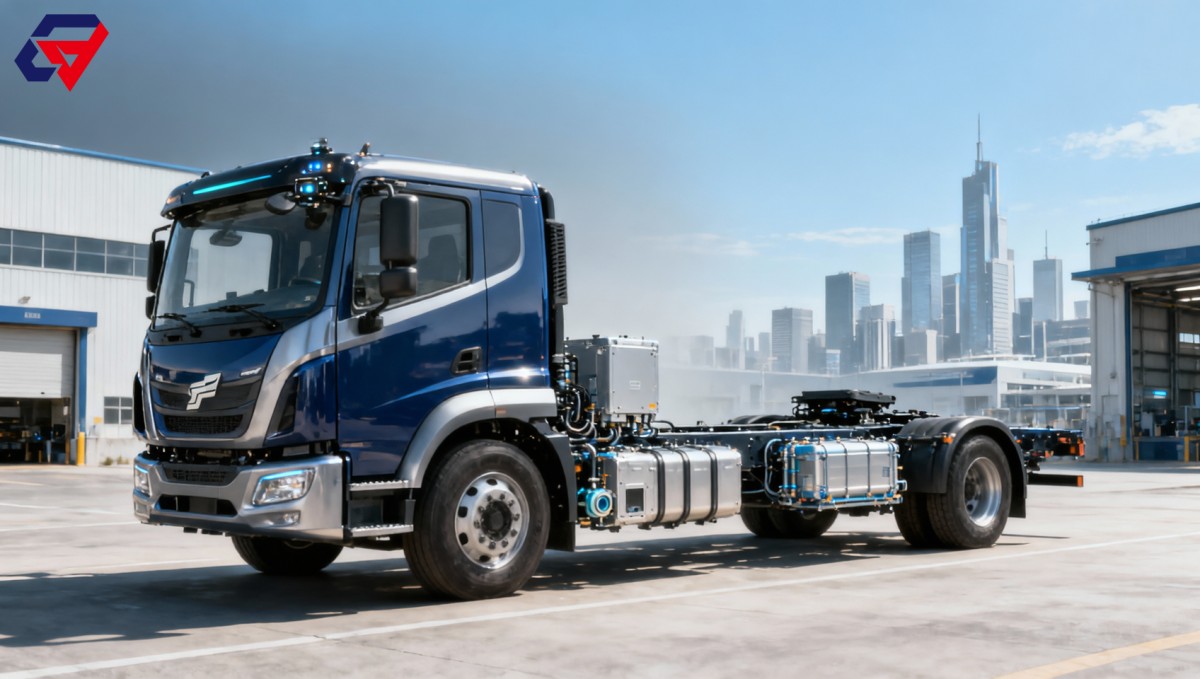
Conclusion: This policy does not alter export financing or tariff conditions, nor does it guarantee overseas orders. Rather, it strengthens the evidentiary foundation upon which international buyers assess Chinese suppliers’ technical reliability and production consistency. Currently, it is more appropriately understood as a procedural enabler—one that rewards preparation, traceability, and cross-regulatory foresight over short-term sales execution.
Source: Ministry of Transport of the People’s Republic of China and National Development and Reform Commission — Implementation Rules for the 2026 New Energy Urban Bus and Special Vehicle Replacement Subsidy, issued May 9, 2026.
Parts requiring ongoing observation include: provincial-level implementation guidelines, eligibility verification workflows, and reported uptake rates among postal, cold-chain, and urban distribution fleets.
NAVIGATION
Send Us A Message