



News
Explore what’s going on around the industry and get the latest from the world of heavy equipment and earth-moving.
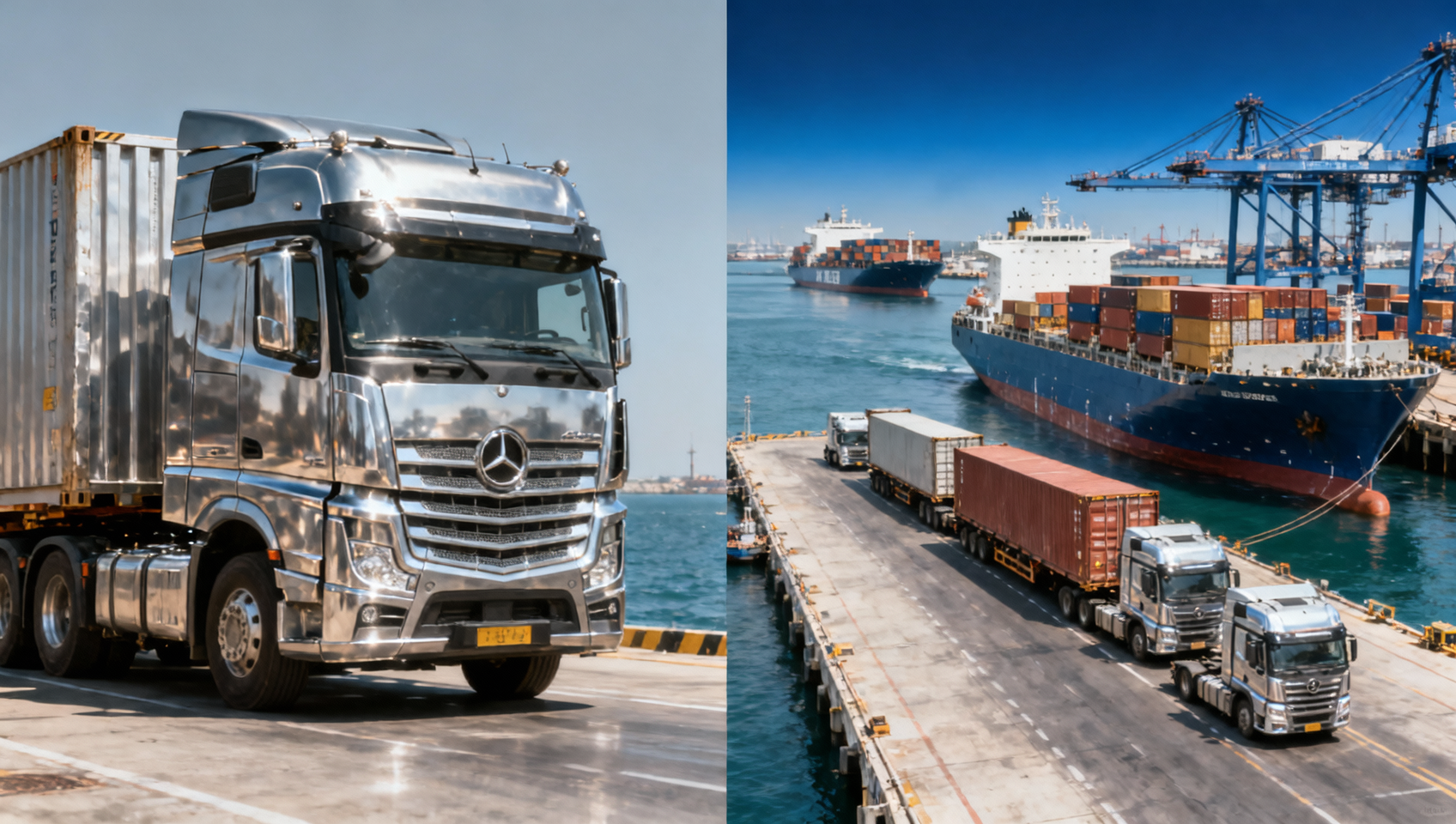
On July 30, 2026, a new escalation in Red Sea-related shipping disruption moved from a security issue into a direct cost and delivery issue for trade flows. The Suez Canal Authority said it will raise transit charges through an emergency surcharge from August 1 for all container and ro-ro vessels, while major carriers also adjusted slot allocation plans. For companies shipping heavy trucks from China to the Middle East and Europe, the immediate concern is no longer only freight pricing, but also longer delivery cycles, tighter vessel planning, and greater pressure on contract execution and customer coordination.
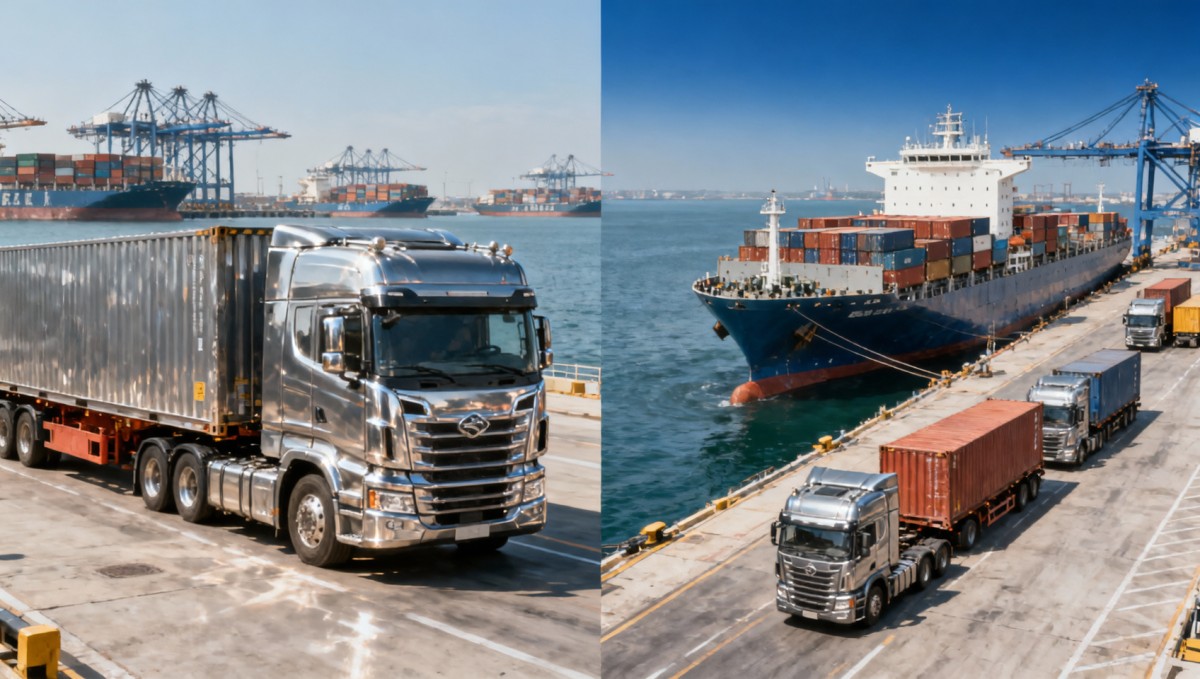
What Was Confirmed on July 30
The Suez Canal Authority announced on July 30, 2026 that, due to the security situation and higher escort-related costs, an emergency surcharge will be imposed from August 1 on all container vessels and ro-ro vessels.
According to the information provided, the added cost for heavy-truck ro-ro transport rises by $1,850 per container. At the same time, Maersk and MSC updated their slot allocation plans.
The reported delivery cycle on routes from major Chinese ports to Dubai and Rotterdam has also lengthened. The average transit period moved from 32 days to 46 days, meaning an average extension of 14 days for these shipments.
Where the Pressure Is Likely to Be Felt First
Exporters of heavy trucks face a direct delivery and cost squeeze
From an industry perspective, heavy-truck exporters are among the most exposed groups in this update because the change affects both transport cost and delivery timing at the same time. The most immediate pressure is likely to appear in quotation management, shipment scheduling, and delivery commitments for Middle East and Europe-bound orders.
What deserves closer attention is whether existing orders were priced and promised under the earlier 32-day delivery assumption. A 14-day extension changes planning for dispatch, customs coordination, and customer handover even before any broader market reaction becomes visible.
Ocean carriers and logistics providers must manage capacity with less flexibility
For shipping lines and supply chain service providers, the update points to a more constrained operating environment rather than a simple tariff adjustment. Once carriers such as Maersk and MSC revise slot allocation plans, freight execution can become more dependent on revised loading priorities, vessel availability, and booking discipline.
Analysis shows that service providers involved in booking, forwarding, and shipment coordination will need to watch not only surcharge implementation, but also how revised carrier planning changes actual space access and cargo sequencing on affected routes.
Overseas buyers and channel partners may see contract rhythm change
Importers, distributors, and project-side buyers in Dubai, Rotterdam, and related markets may also feel the impact through delivery timing rather than through shipping policy details. When lead times move from 32 days to 46 days on average, downstream planning for arrival, inventory intake, resale timing, or fleet deployment can shift materially.
Observably, the key issue for these market participants is not only whether freight gets more expensive, but whether confirmed delivery windows remain realistic under the revised vessel and transit arrangement.
What Companies Should Watch Now
Track how the surcharge is applied in actual bookings
Companies should pay close attention to how the emergency surcharge is implemented in quotations, booking confirmations, and final transport settlement. The policy signal is clear, but the business impact depends on how charges are reflected in specific shipments, especially for heavy-truck cargo moving by ro-ro or container-linked arrangements.
Recheck delivery commitments on Middle East and Europe lanes
For businesses shipping from major Chinese ports to Dubai and Rotterdam, current promised delivery dates deserve immediate review. The reported average cycle has already moved from 32 days to 46 days, so order management, internal production release, and external customer communication should be aligned with the longer timeline reflected in the update.
Separate official announcements from carrier-level execution changes
Another practical point is to distinguish between the Suez Canal Authority's surcharge announcement and carrier-level slot allocation changes. These are related, but they affect execution differently. One changes the cost framework; the other may change whether cargo moves as originally planned, how quickly bookings are confirmed, and where scheduling friction emerges.
Prepare documentation and customer communication around fulfillment timing
Analysis shows that documentation readiness and customer-facing delivery communication now matter more. Where contracts, order confirmations, or shipment notices were built around earlier assumptions, companies may need to update timing expectations early to reduce disputes tied to delayed handover or revised vessel planning.
Why This Matters Beyond a Single Fee Adjustment
As an editorial observation, this development is more appropriate to understand as an operational stress signal rather than only a one-off canal pricing change. The combination of higher Suez charges, revised carrier slot planning, and a measured extension in delivery time suggests that route risk is now feeding directly into cargo economics and fulfillment reliability.
At the same time, it would be premature to treat this as a settled long-term shipping reset based only on the current information. The confirmed facts show clear short-term disruption and direct cost pressure, but the longer-term pattern still requires continued observation of surcharge duration, carrier planning updates, and whether transit times stabilize or extend further.
How the Market Should Read This Update
The current signal is specific and material: a 23% rise in Suez-related charges from August, an added $1,850 per container for heavy-truck ro-ro transport, and a route delivery extension from 32 to 46 days on average for shipments from major Chinese ports to Dubai and Rotterdam. For the industry, that means this is not merely a background geopolitical development; it is already affecting freight cost and delivery cadence.
A balanced reading is that this should currently be treated as a short-term operational change with broader implications if it persists. The practical focus should remain on shipment execution, customer timing, and cost pass-through, while the larger structural meaning still needs further confirmation.
Basis of This Article and What Still Needs Verification
This article is based on the user-provided news title, event date, and event summary. The content has been written from the information that the July 30, 2026 announcement involved an emergency surcharge by the Suez Canal Authority, a $1,850 increase per container for heavy-truck ro-ro transport, updated slot allocation plans by Maersk and MSC, and an average route extension from 32 days to 46 days on shipments from major Chinese ports to Dubai and Rotterdam.
For this type of industry update, common source categories usually include official notices, company announcements, industry association information, authoritative media reporting, and relevant shipping or trade documentation. A specific official source link was not provided in the input, so the precise original notice and any subsequent implementation details still require ongoing verification. The main follow-up areas are any changes in surcharge rules, further carrier planning updates, and whether average delivery cycles on the affected routes continue to shift.
NAVIGATION
Send Us A Message