



News
Explore what’s going on around the industry and get the latest from the world of heavy equipment and earth-moving.
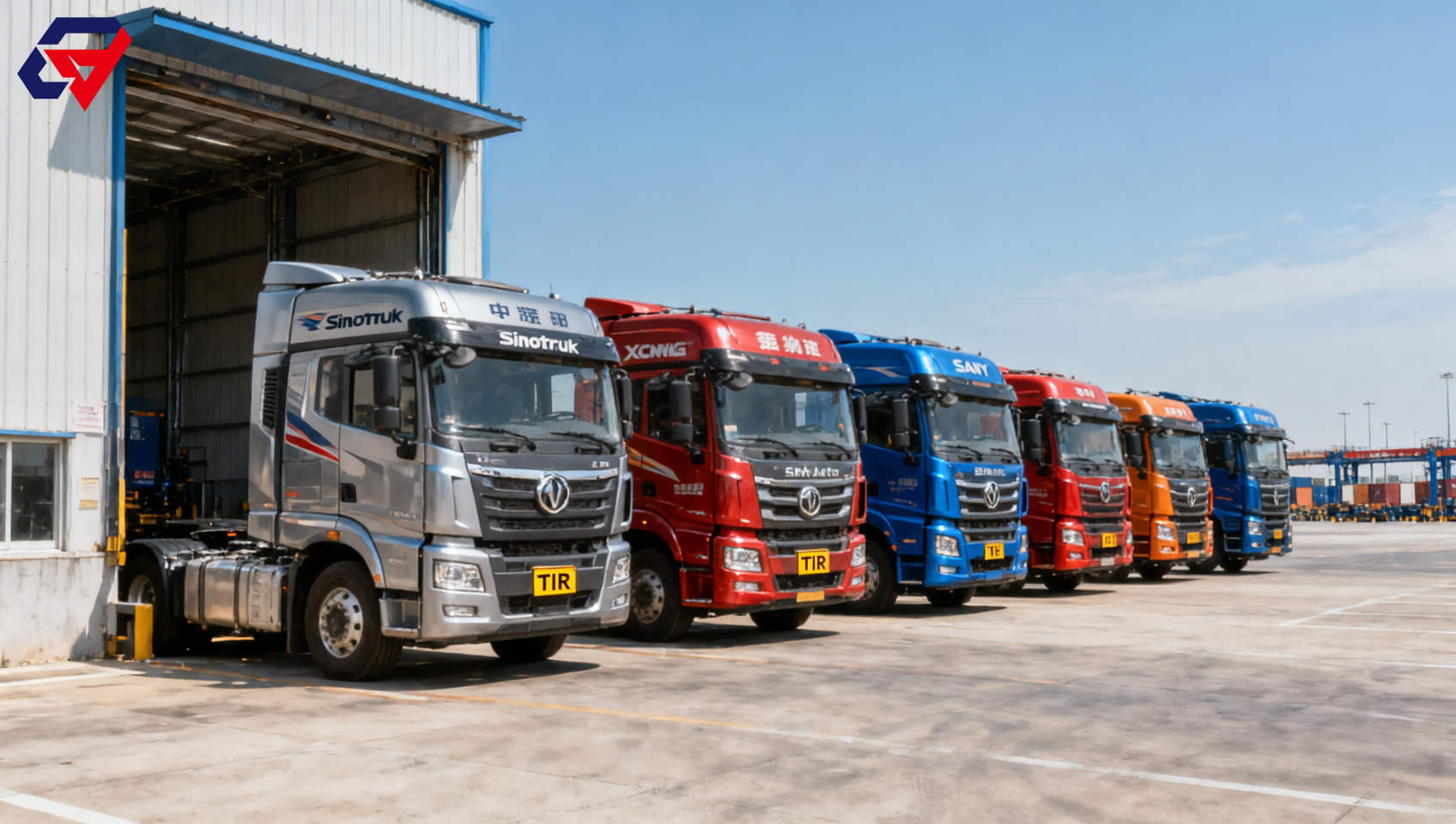
On May 22, 2026, the China International Road Transport Alliance (CIRTA) and the Ministry of Transport jointly issued the first batch of TIR International Road Transport Vehicle Type Approvals. China National Heavy Duty Truck Group (Sinotruk), Shaanxi Automobile Group (Shaanxi Auto), FAW Jiefang, XCMG, SANY, and BYD Commercial Vehicles were granted authorization. The approval covers full-series battery-electric tractor units — a development with direct implications for cross-border logistics operators, international distributors, and OEM supply chain managers serving Eurasian markets.
Event Overview
On May 22, 2026, CIRTA and China’s Ministry of Transport officially published the inaugural list of vehicles awarded the TIR International Road Transport Vehicle Type Approval. Six domestic commercial vehicle manufacturers — Sinotruk, Shaanxi Auto, FAW Jiefang, XCMG, SANY, and BYD Commercial Vehicles — were included. The certification applies to their mainstream battery-electric tractor models. As confirmed, certified vehicles are exempt from duplicate technical inspections upon entry into the 36 contracting parties of the TIR Convention, including Kazakhstan, Russia, Iran, and Turkey.
Impact on Specific Industry Segments
Direct Exporters and Cross-Border Distributors
These entities face reduced time-to-market and lower compliance overhead when introducing Chinese electric heavy-duty trucks into TIR member countries. The elimination of redundant national-level type testing shortens first-order delivery cycles by up to 30%, as stated in the official announcement. This affects lead-time planning, inventory financing, and local certification coordination workflows.
Cross-Border Logistics Service Providers
Operators managing overland freight across Central Asia and the Middle East benefit from simplified vehicle clearance at borders. With pre-approved vehicle conformity, transit documentation processing becomes more predictable — reducing delays at checkpoints and improving fleet utilization rates on transcontinental routes.
OEM Supply Chain and After-Sales Network Managers
Manufacturers and their authorized service partners must align spare parts catalogs, technician training modules, and diagnostic software with TIR-recognized vehicle configurations. Certification does not extend to aftermarket components or retrofit modifications; thus, compliance scope is strictly limited to factory-assembled, type-approved models.
What Relevant Enterprises or Practitioners Should Focus On and How to Respond
Monitor official updates on TIR implementation guidelines
The current approval is issued under a joint framework by CIRTA and the Ministry of Transport. Stakeholders should track subsequent technical notices — especially those clarifying vehicle modification limits, renewal procedures, and reporting requirements for post-certification changes.
Assess applicability to priority export markets and product lines
Not all TIR member states have identical infrastructure readiness for battery-electric trucks. Companies should cross-reference this approval with national EV import policies (e.g., charging standards, battery recycling mandates) in target markets such as Kazakhstan and Turkey before scaling deployments.
Distinguish between regulatory signal and operational readiness
This is a vehicle-type approval — not an automatic license for unrestricted cross-border operation. Operators still require valid TIR carnets, driver certifications, insurance coverage meeting TIR requirements, and adherence to weight/dimension rules per transit country. The approval streamlines one step; it does not replace full TIR compliance.
Prepare documentation and internal alignment ahead of first shipments
Export departments, logistics coordinators, and regional compliance officers should jointly review TIR carnet application templates, harmonized vehicle identification data formats, and bilingual technical documentation requirements. Early alignment avoids bottlenecks during initial cross-border trials.
Editorial Perspective / Industry Observation
Observably, this approval represents a formalized step toward harmonizing China’s EV heavy-truck export framework with internationally recognized transport protocols — rather than an immediate market-opening event. Analysis shows the initiative is primarily procedural: it reduces administrative friction for pre-qualified models but does not alter tariff treatment, local homologation for non-TIR routes, or end-user registration rules. From an industry perspective, it signals growing institutional attention to standardizing EV logistics across land corridors — yet actual deployment velocity will depend on parallel developments in charging infrastructure, battery service networks, and bilateral TIR enforcement consistency.
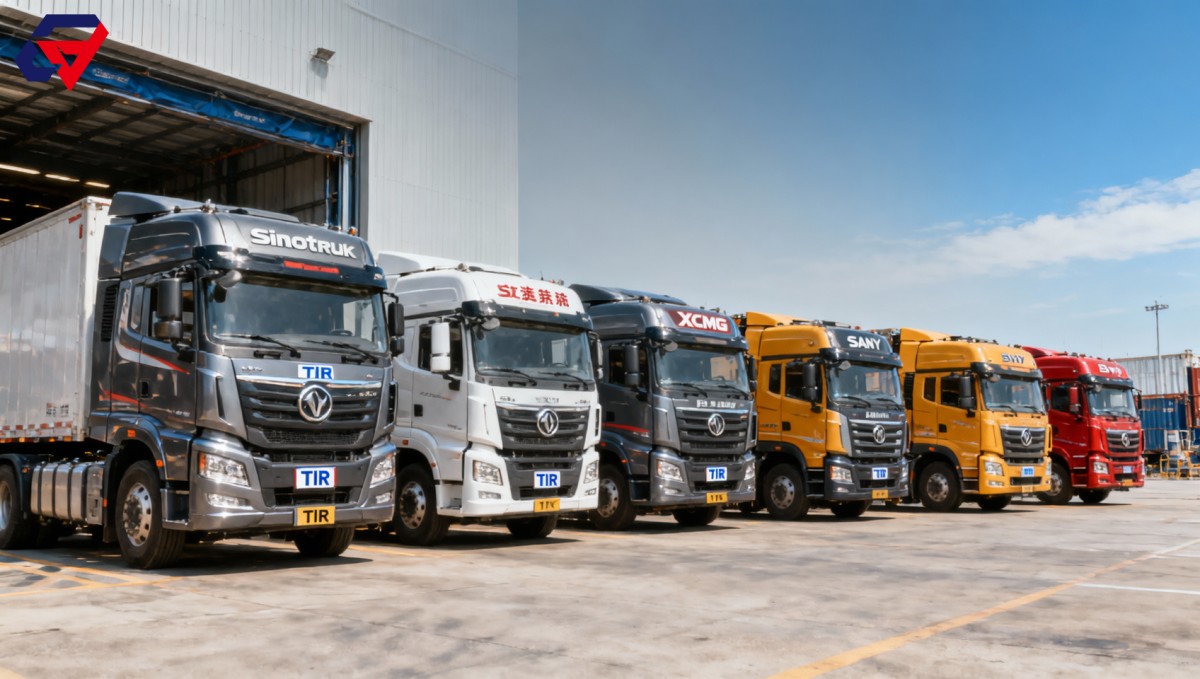
Concluding, this approval marks a targeted regulatory alignment effort — not a broad-based trade liberalization measure. It meaningfully lowers barriers for specific vehicle types entering select markets, but its operational impact remains contingent on complementary logistics and policy conditions. Currently, it is more appropriately understood as a foundational enabler for structured, scalable cross-border EV truck deployment — rather than a near-term catalyst for volume growth.
Source: China International Road Transport Alliance (CIRTA) and Ministry of Transport of the People’s Republic of China, official announcement dated May 22, 2026.
Note: Implementation details — including validity period, scope of permissible modifications, and integration with national road transport licensing systems — remain subject to further official clarification and are under ongoing observation.
NAVIGATION
Send Us A Message