



News
Explore what’s going on around the industry and get the latest from the world of heavy equipment and earth-moving.
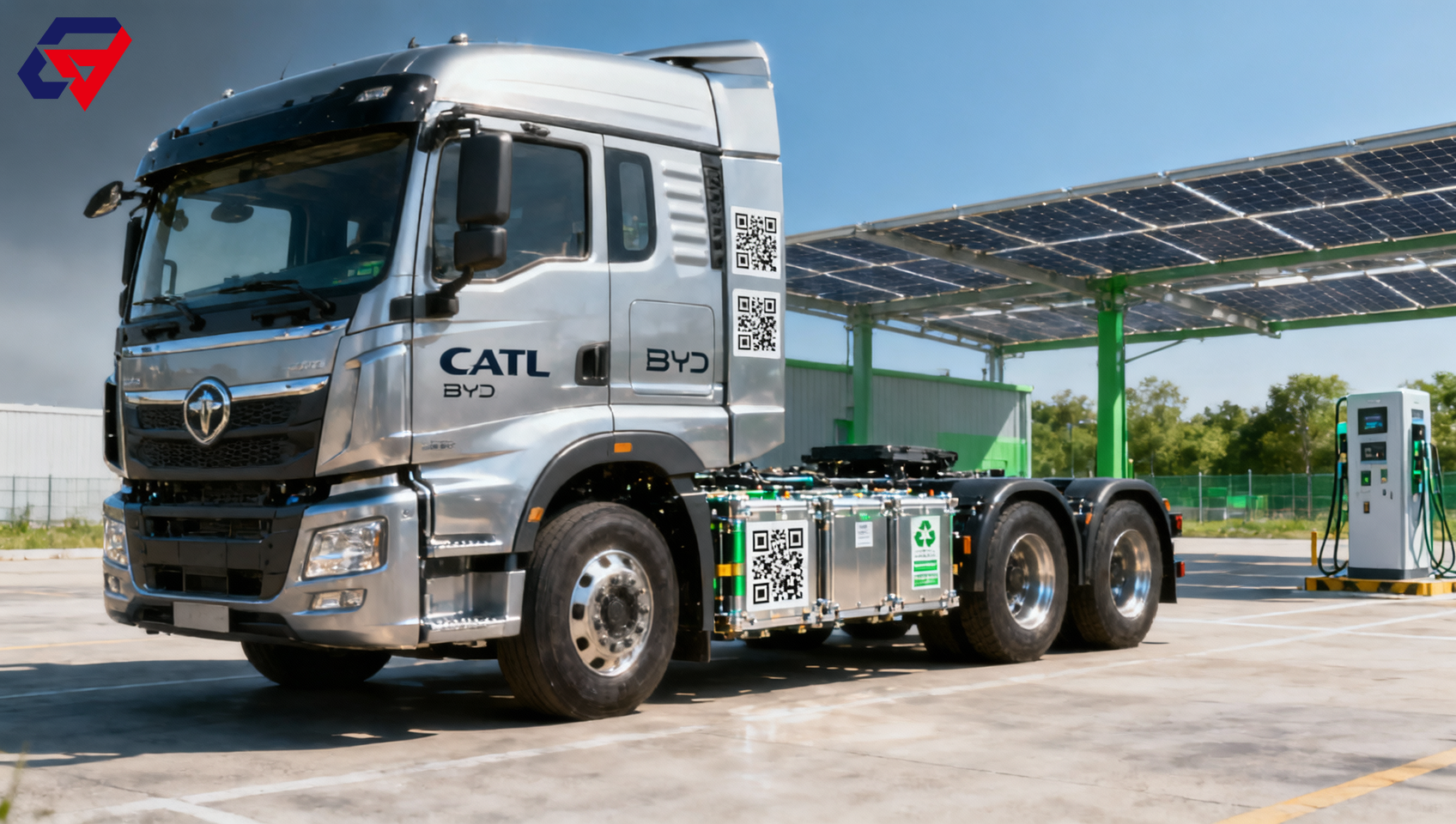
On April 28, 2026, China’s Ministry of Industry and Information Technology (MIIT), Ministry of Ecology and Environment, and three other departments launched a joint law enforcement campaign targeting the recycling and reuse of spent power batteries. This action directly impacts exporters of new energy heavy-duty trucks—particularly those equipped with batteries from CATL or BYD—as they seek market access in the EU, Southeast Asia, and other regions requiring strict carbon footprint reporting, EPR compliance, and full-lifecycle traceability.
Event Overview
On April 28, 2026, five Chinese government departments—including MIIT and the Ministry of Ecology and Environment—initiated a coordinated law enforcement operation focused on the recycling and utilization of spent lithium-ion traction batteries. The campaign centers on three verified inspection priorities: (1) traceability management of battery cascade-use products; (2) readiness for carbon footprint declaration of exported batteries; and (3) compliant labeling of recycled materials. No further operational details, timelines, or penalty mechanisms have been publicly released as of the event date.
Industries Affected
Direct Exporters of New Energy Heavy-Duty Trucks
Exporters shipping battery-electric or hybrid heavy-duty trucks to the EU or ASEAN face immediate upstream verification pressure. Because the enforcement mandates full-lifecycle data traceability—including raw material sourcing, manufacturing, use-phase performance, and end-of-life handling—importers in regulated markets may now require formal documentation from suppliers confirming alignment with China’s new oversight framework. Non-compliance risks delays in customs clearance or rejection under EPR obligations.
Battery Suppliers (e.g., CATL, BYD)
Cell and pack manufacturers supplying OEMs for export-bound vehicles must now ensure their battery systems support granular, auditable data capture across all stages—from cathode material origin to second-life deployment or recycling. While not a new requirement per se, the joint enforcement raises the practical threshold for evidentiary readiness, especially for exports where EU Battery Regulation or Thailand’s draft EPR rules demand certified digital product passports.
Third-Party Traceability Platform Providers
Companies offering battery lifecycle data management services—including cloud-based BMS-integrated platforms and blockchain-enabled tracking solutions—are seeing increased client inquiries. However, the enforcement does not endorse or mandate any specific technical standard or platform; its focus remains on verifiable outcomes (e.g., functional traceability, accurate carbon accounting inputs, correct labeling of regenerated content).
Importers and Distributors in Target Markets
EU- and ASEAN-based importers of Chinese-made electric heavy-duty vehicles must now assess supplier capability beyond certification documents. They are expected to verify whether battery supply chains meet both local EPR reporting thresholds and China’s newly enforced domestic traceability expectations—potentially triggering dual-audit requirements and extended due diligence cycles before contract finalization.
What Enterprises and Practitioners Should Monitor and Do Now
Track official guidance on carbon footprint methodology and labeling standards
The enforcement references ‘carbon footprint declaration preparation’ and ‘compliant recycled material labeling’—but no technical specifications or approved calculation protocols have been issued yet. Enterprises should monitor MIIT and Ministry of Ecology and Environment announcements for forthcoming implementation guidelines, particularly regarding boundary definitions (e.g., cradle-to-gate vs. cradle-to-grave) and acceptable data sources.
Verify traceability readiness at the battery pack level—not just vehicle level
Joint enforcement focuses explicitly on batteries, not whole vehicles. Exporters and suppliers should confirm that individual battery packs—not just VIN-level records—carry machine-readable identifiers linked to validated production, usage, and recycling data. This is critical for cascade-use validation and EU Battery Regulation Annex VI compliance.
Distinguish between policy signal and enforceable obligation
This is a law enforcement *action*, not a new regulation. Its current scope reflects prioritized inspection areas—not an exhaustive list of future compliance mandates. Companies should treat it as a strong signal of regulatory direction, but avoid premature system overhauls until supporting technical rules are published.
Prepare supplier communication and documentation templates for overseas partners
Importers in the EU and ASEAN are increasingly requesting standardized disclosures on battery provenance, recycled content share, and end-of-life responsibility assignment. Exporters should proactively develop concise, auditable response packages—aligned with both Chinese enforcement expectations and target-market EPR frameworks—to reduce pre-shipment friction.
Editorial Perspective / Industry Observation
Observably, this joint enforcement is less about immediate penalties and more about synchronizing domestic oversight with external market demands. It signals that China’s battery governance is shifting from voluntary industry guidance toward coordinated, cross-departmental accountability—with export-facing segments bearing the first operational impact. Analysis shows the timing aligns closely with the EU’s upcoming Battery Passport rollout (Q3 2027) and Vietnam’s draft circular on EPR for EV components. From an industry perspective, this is best understood not as a standalone compliance hurdle, but as an early indicator of converging global battery stewardship expectations—where domestic traceability infrastructure becomes a de facto prerequisite for international market access.
Current more appropriate interpretation is that this enforcement serves as a calibration point: it tests existing industry capacity against emerging transnational norms, rather than introducing wholly new legal obligations overnight. Continued observation is warranted on whether subsequent phases expand to include financial liability mechanisms or third-party audit mandates.
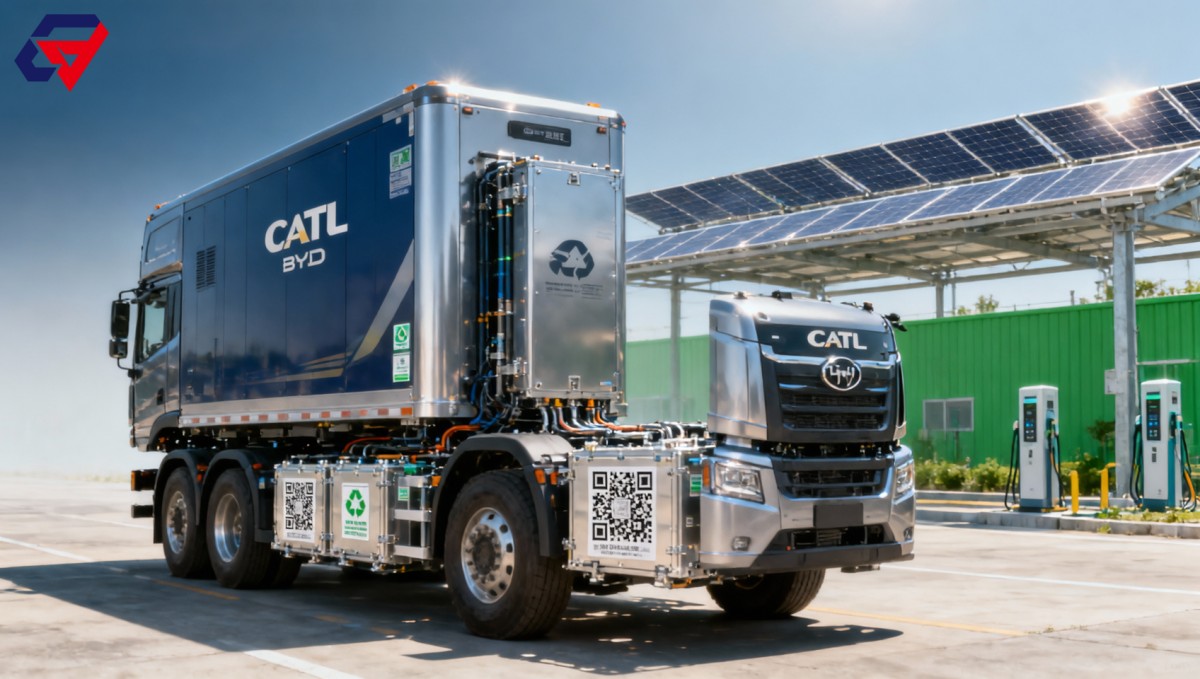
Conclusion: This enforcement underscores that battery lifecycle governance is no longer confined to environmental ministries—it now directly shapes trade competitiveness, supply chain design, and product certification pathways for heavy-duty EV exporters. For stakeholders, the priority is not reactive compliance, but strategic alignment: ensuring traceability systems serve both domestic enforcement expectations and evolving international EPR frameworks without duplication or contradiction.
Information Sources: Official notices issued by China’s Ministry of Industry and Information Technology (MIIT) and Ministry of Ecology and Environment on April 28, 2026. No supplementary policy documents, implementation rules, or enforcement thresholds have been published as of the event date; these remain subjects for ongoing monitoring.
NAVIGATION
Send Us A Message