



News
Explore what’s going on around the industry and get the latest from the world of heavy equipment and earth-moving.
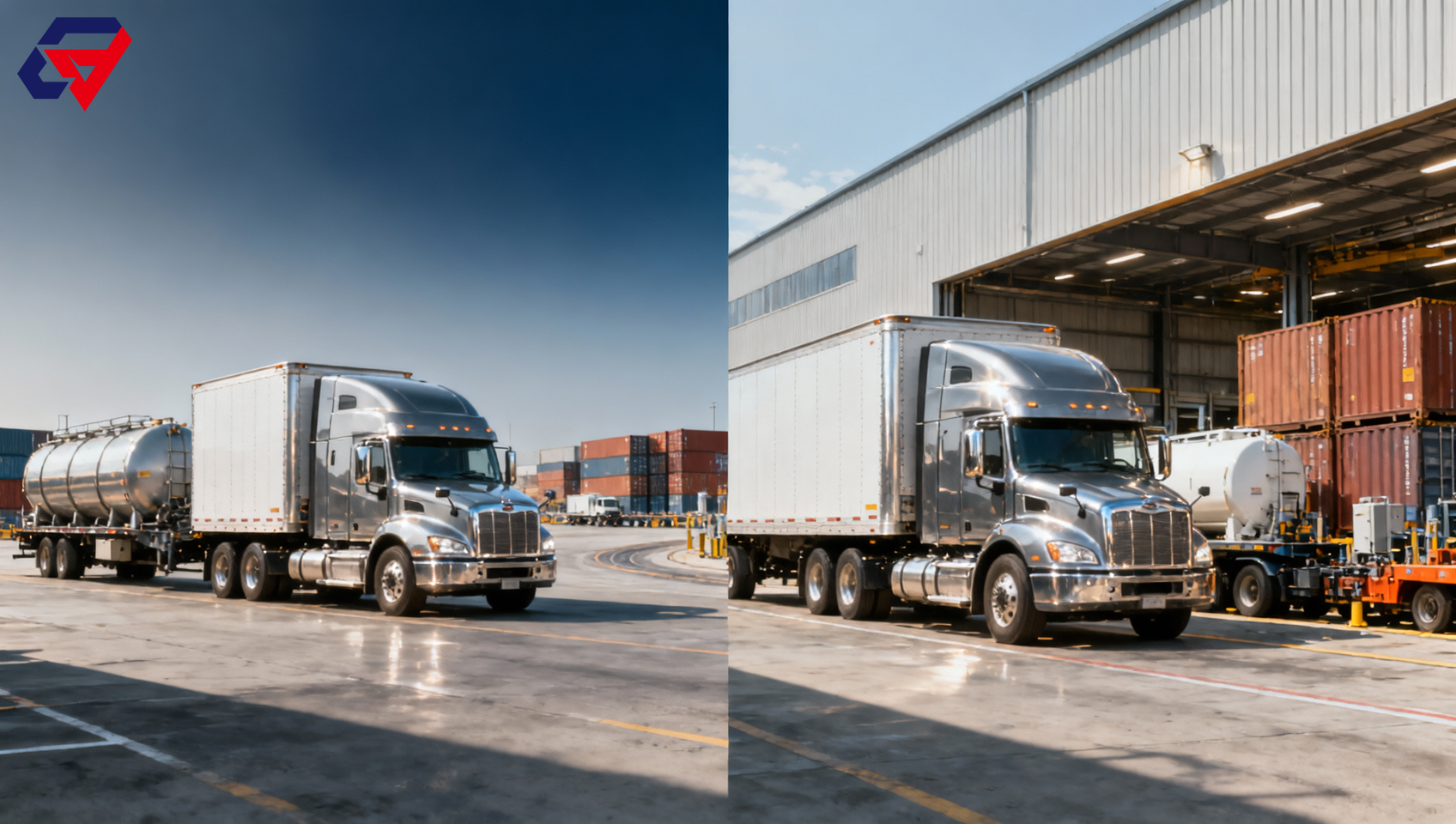
On June 4, 2026, the Canada Border Services Agency (CBSA) put into effect its final anti-dumping and countervailing ruling on truck bodies originating in China, setting anti-dumping rates at 119.4% for CIMC Qingdao and 257.1% for other exporters, while requiring high-value security deposits at customs clearance. For companies involved in heavy-truck cabs, cargo bodies, refrigerated units, tank bodies, cross-border trade, and re-export flows linked to North America, Latin America, and the Caribbean, this development deserves close attention because it changes the immediate landed-cost and clearance conditions for affected products.
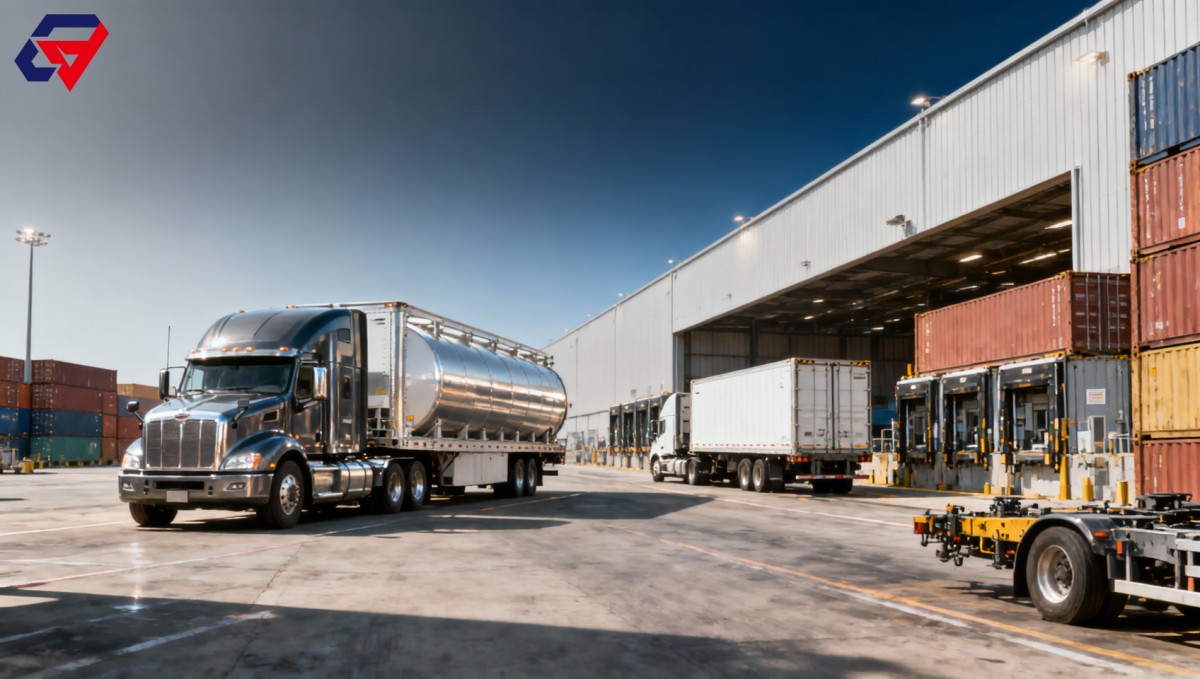
What the ruling confirms
According to the information provided, the CBSA formally issued its final anti-dumping and countervailing determination on June 4, 2026, covering truck bodies originating in China. The ruling applies to core tariff lines including HS codes under 8707.90.90.x and 8708.29.99.90, which involve key heavy-truck body categories such as cabs, cargo bodies, and refrigerated or tank-type mounted bodies. The confirmed anti-dumping rate is 119.4% for CIMC Qingdao, with subsidy measures described as exempt due to negligible subsidization, while other exporters are subject to a 257.1% anti-dumping rate. From the effective date, customs clearance requires the payment of high security deposits.
Where the pressure is likely to appear first
Exporters serving the Canadian market
From an industry perspective, direct exporters are the first group likely to feel the impact because the ruling immediately affects customs treatment and import cost calculations for covered truck body products. What deserves closer attention is not only the rate difference between a named exporter and other suppliers, but also how shipment pricing, customs documentation, and customer quotations may need to be reassessed under the new duty structure.
Truck modification and special-vehicle supply chains
Analysis shows the impact may extend beyond basic trade flows into the heavy-truck modification and special-vehicle export chain. Businesses connected to cabs, box bodies, refrigerated bodies, and tank-mounted bodies may face disruptions in order rhythm, model selection, and delivery planning where Canada is a destination market or part of a broader regional route.
Re-export channels to Latin America and the Caribbean
Observably, the ruling also matters for companies using North American channels to support onward trade into Latin America and the Caribbean. The provided information directly indicates that the measure affects these re-export-linked chains, so traders, distributors, and logistics service providers will need to watch how clearance costs and routing assumptions change in practice.
Operational issues companies should watch now
Check whether products fall within the covered tariff lines
What deserves closer attention is product classification. Companies dealing in heavy-truck cabs, cargo bodies, refrigerated units, and tank-type mounted bodies should verify whether their goods fall within the HS codes identified in the ruling, because classification determines whether the new customs burden applies at clearance.
Separate policy language from shipment execution
Analysis shows that the practical issue is not only the publication of the final ruling itself, but also how it translates into day-to-day shipment handling. Businesses should closely track how the requirement for high security deposits affects customs timing, cash-flow arrangements, and shipment release procedures for covered products.
Review supplier and exporter status carefully
The rate difference between CIMC Qingdao and other exporters makes exporter identity a key operational point. Companies involved in procurement, sales, and contract execution should pay attention to whether a shipment is tied to a specific exporter status, and whether supporting documents and transaction records are sufficient for customs and customer communication.
Prepare customer communication and delivery contingencies
From an industry perspective, counterparties may need rapid clarification on price changes, customs costs, and delivery risks. Exporters, channel partners, and service providers should be ready to explain how the ruling affects quotation validity, clearance expectations, and fulfillment schedules for affected truck body categories.
How this should be understood at this stage
Observably, this is not merely a symbolic policy signal. The final ruling is already in force and is tied to immediate customs deposit requirements, which gives it direct operational weight. At the same time, it is more appropriate to understand this as both a confirmed short-term trade barrier and a longer-term signal for companies exposed to truck body exports, special-vehicle assemblies, and regional re-export structures involving Canada.
Analysis shows the key industry takeaway is not limited to the headline duty rate. The more important question is how quickly affected businesses can distinguish between products, exporters, and trade routes that are directly exposed and those that may require further verification under actual customs practice.
Why the market will keep watching this case
At this point, the ruling matters because it has moved from investigation to effective border enforcement, with unusually high anti-dumping rates for covered Chinese truck body products. A neutral reading is that the event should be understood as an active trade measure with immediate execution consequences, while its full commercial effect on supply chains, order allocation, and regional routing still requires continued observation.
Basis of this article and follow-up verification
This article is based on the user-provided news title, event date, and event summary. For developments of this kind, relevant source categories usually include official trade remedy notices, customs announcements, company disclosures, industry association updates, authoritative media reporting, and tariff or standards-related documents. The specific official source link was not provided in the input, so further verification remains necessary. Follow-up attention should focus on any subsequent official wording changes, customs implementation details, and practical developments affecting covered HS classifications, exporter treatment, and regional trade execution.
NAVIGATION
Send Us A Message