



News
Explore what’s going on around the industry and get the latest from the world of heavy equipment and earth-moving.
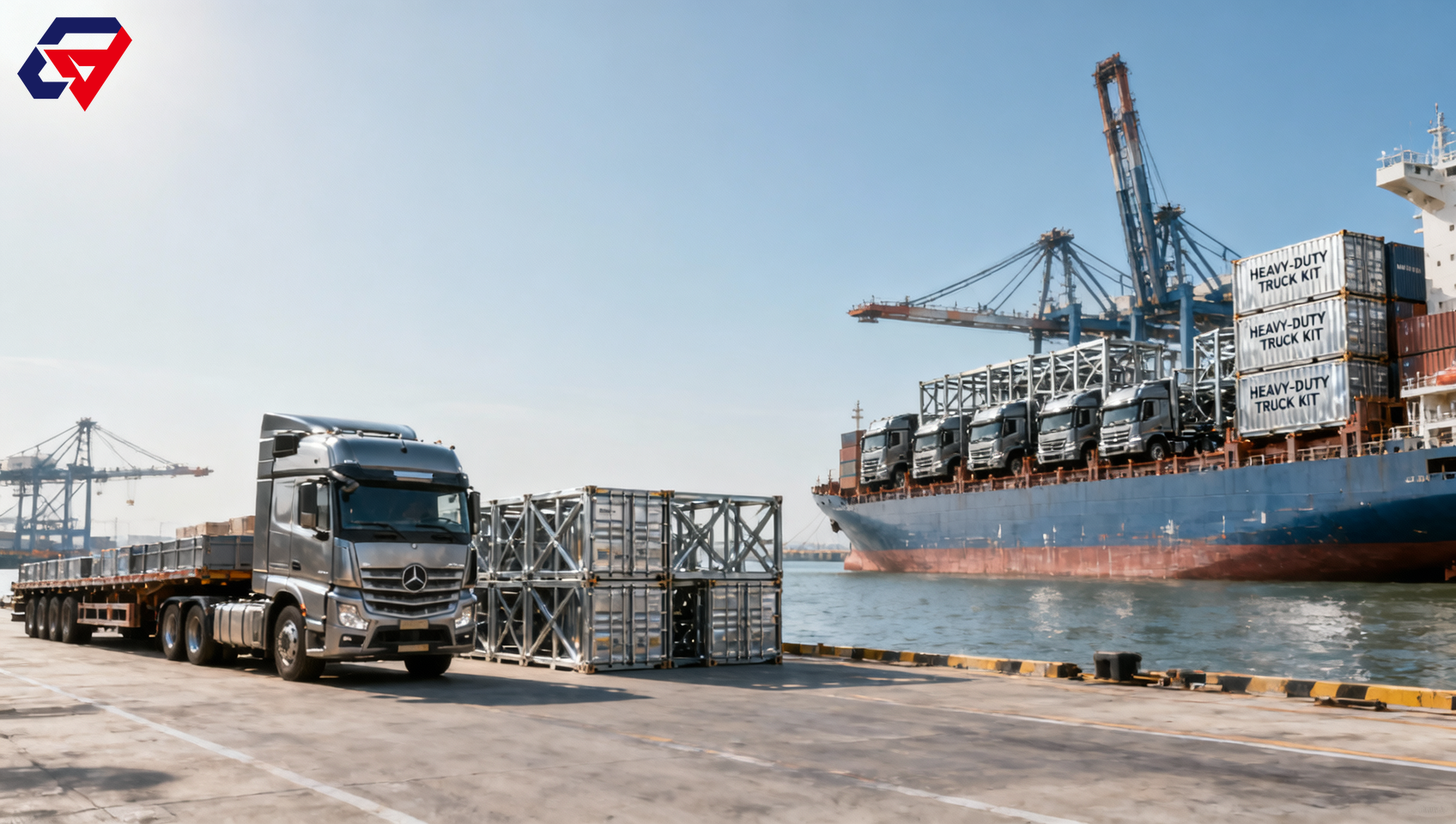
Starting May 1, 2026, the revised People’s Republic of China Maritime Code introduces a fundamental shift in liability for unclaimed or abandoned cargo at discharge ports—moving primary responsibility from consignees to shippers. This change directly affects importers operating under FOB and CFR trade terms, particularly those handling heavy-duty truck complete vehicles and knock-down (KD) kits, and carries implications for risk allocation, insurance coverage, contract drafting, and cross-border supply chain coordination.
Event Overview
The newly revised Maritime Code of the People’s Republic of China, effective May 1, 2026, amends Article 93 to replace the long-standing ‘consignee bears liability’ principle—applied for over 30 years—with a ‘shipper-first liability’ framework for unclaimed cargo at the port of discharge. The amendment is officially promulgated and confirmed as part of the national legislative update.
Industries Affected by the Change
Direct Trading Enterprises
Importers acting as buyers under FOB or CFR terms—who previously relied on consignee status to limit exposure to demurrage, customs clearance delays, or abandonment—now face heightened legal exposure. Under the new rule, shippers (often the overseas seller or exporter) bear initial liability, meaning foreign trading partners may be contractually or legally pursued before consignees are engaged.
Raw Material Procurement Enterprises
Companies sourcing components or raw materials via sea freight—especially those using CFR terms where freight cost is borne by the seller but risk transfers upon loading—must reassess their contractual alignment with overseas suppliers. A mismatch between Incoterms® usage and the new statutory liability may expose procurement teams to unexpected claims arising from port-side non-receipt or documentation failure.
Manufacturing Enterprises (e.g., Heavy-Duty Vehicle Assemblers)
Firms importing complete trucks or KD kits face elevated operational and financial risk: delayed customs clearance due to regulatory changes, incomplete documentation, or logistical bottlenecks could now trigger shipper-level liability—even if the consignee (e.g., domestic assembler) is ready and willing to receive. This affects landed cost predictability and inventory planning cycles.
Supply Chain Service Providers
Freight forwarders, customs brokers, and port agents involved in documentation preparation, delivery instruction issuance, or cargo release must update internal compliance protocols. Their role in facilitating timely handover between shipper and consignee becomes more critical—and potentially more exposed—under the new liability hierarchy.
What Relevant Enterprises or Practitioners Should Focus On and How to Respond
Monitor official interpretations and implementing guidelines
While the statutory change takes effect May 1, 2026, subordinate regulations, judicial interpretations, or customs administrative notices may clarify scope (e.g., whether ‘shipper’ includes contractual vs. bill-of-lading shipper) and exceptions (e.g., force majeure, documented consignee refusal). Stakeholders should track releases from the Ministry of Transport and Supreme People’s Court.
Review and revise contracts for high-risk trade lanes and cargo types
Particularly for FOB/CFR shipments involving heavy vehicles or KD kits into Chinese ports, parties should explicitly allocate post-discharge responsibilities—including demurrage, storage, disposal, and customs-related penalties—in sale contracts and letters of credit. Relying solely on Incoterms® rules is no longer sufficient given the statutory override.
Distinguish between legal signal and operational reality
Analysis shows that enforcement will likely evolve gradually: courts may initially apply the new standard case-by-case, especially where consignee fault is evident. However, the law establishes a clear default position—meaning proactive alignment (e.g., updated power of attorney, pre-arrival customs submissions, consignee confirmation protocols) reduces dispute risk more effectively than reactive defense.
Update insurance coverage and internal contingency plans
Marine cargo insurers may adjust policy language or premiums in response. Shippers should verify whether existing marine liability or logistics insurance covers statutory port-side liabilities introduced by Article 93. Concurrently, procurement and logistics teams should formalize escalation paths and documentation checklists for cargo arrival, customs submission, and physical handover.
Editorial Perspective / Industry Observation
Observably, this amendment signals a structural recalibration—not merely a technical update—of risk governance in China’s maritime import ecosystem. It reflects growing emphasis on upstream accountability in cross-border logistics, especially where downstream actors (e.g., consignees) face systemic constraints such as regulatory complexity or infrastructure bottlenecks. Analysis suggests the change functions primarily as a legal baseline; actual impact will depend on judicial application and industry adaptation speed. For now, it is best understood not as an immediate operational disruption, but as a catalyst for contractual, procedural, and insurance reviews across global supply chains serving the Chinese market.
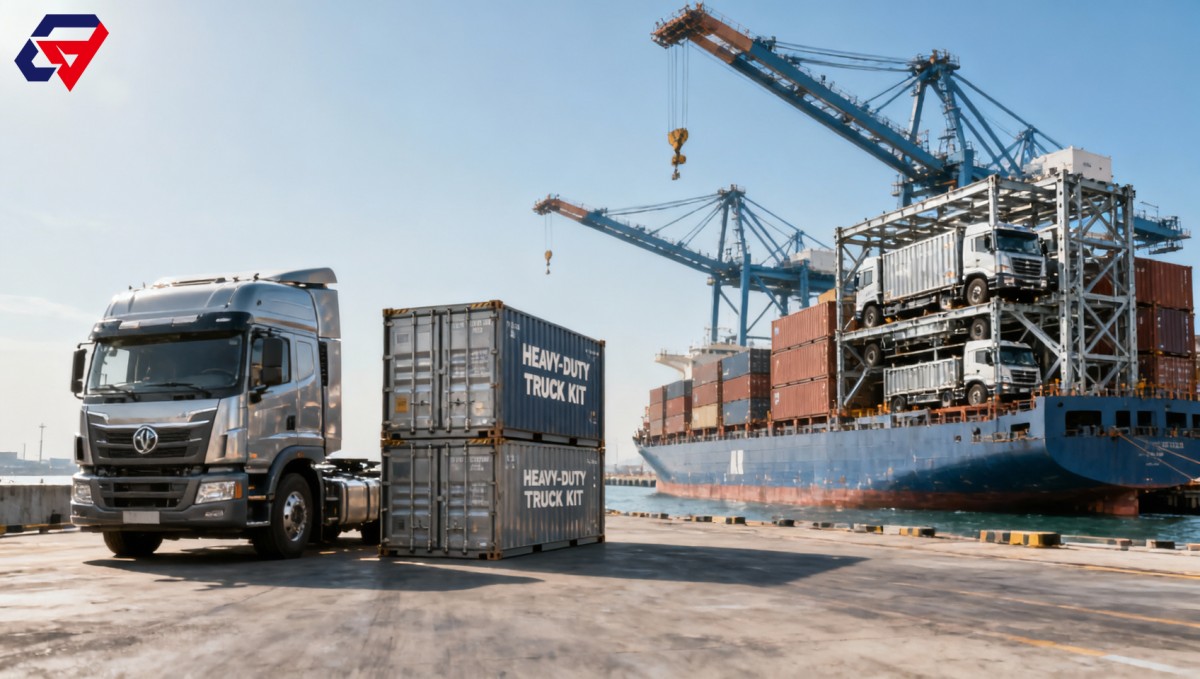
Conclusion
This revision marks a material realignment of statutory responsibility in maritime import operations into China. Its significance lies less in isolated legal novelty and more in its cascading effect on commercial agreements, risk transfer mechanisms, and inter-company coordination. Currently, it is more appropriately understood as a binding framework requiring deliberate alignment—not a finalized outcome whose consequences are already fully realized.
Source Attribution
Main source: Official text of the revised Maritime Code of the People’s Republic of China, published by the Standing Committee of the National People’s Congress, effective May 1, 2026.
Note: Implementation details, judicial guidance, and sector-specific enforcement practices remain subject to ongoing observation.
NAVIGATION
Send Us A Message