



News
Explore what’s going on around the industry and get the latest from the world of heavy equipment and earth-moving.
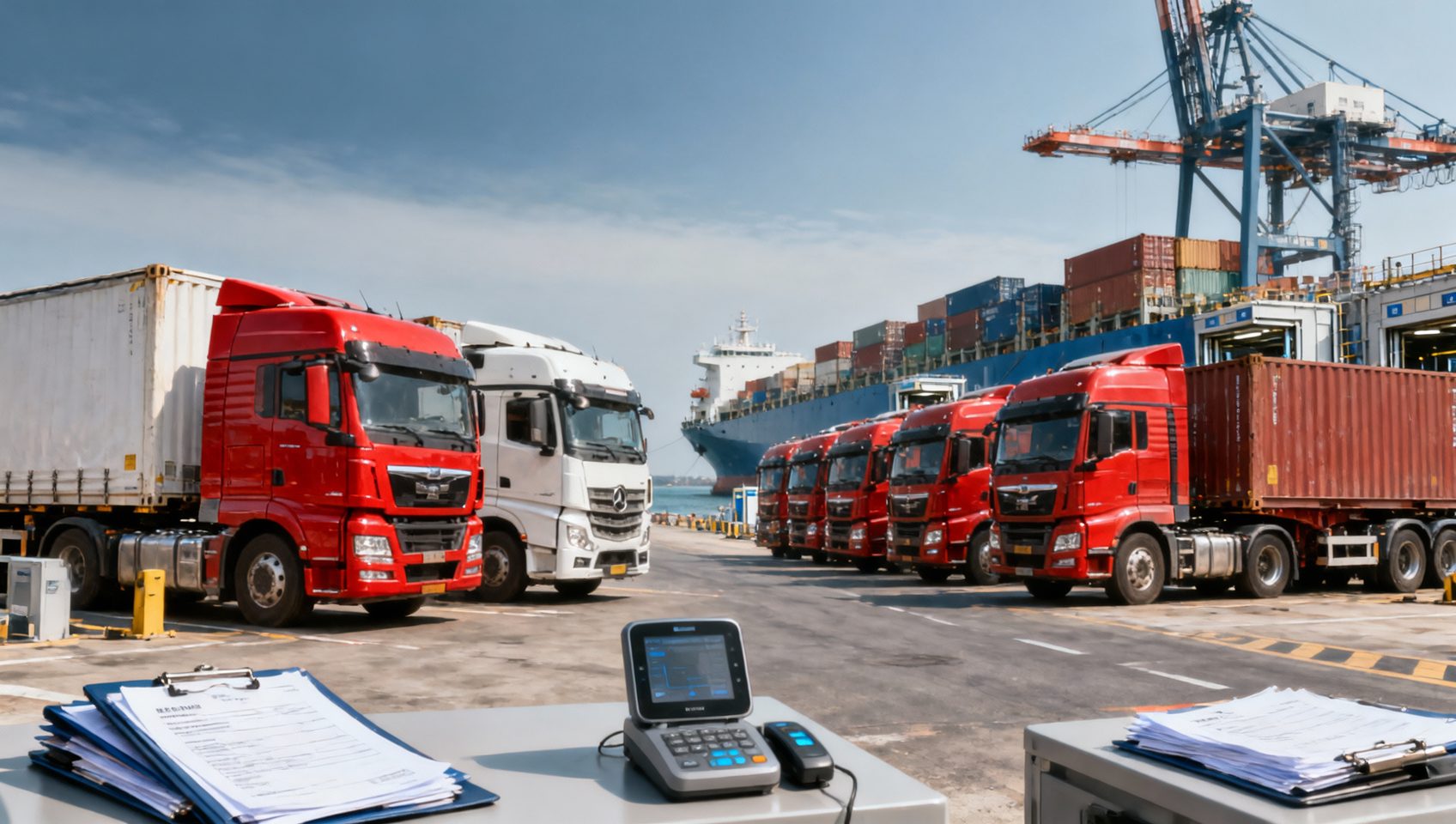
On July 10, 2026, China Customs began using a new smart pre-review system for export classification of heavy trucks and specialized vehicles at major ports including Tianjin, Qingdao, Shanghai, Shenzhen, and Chongqing. For exporters, customs brokers, overseas importers, and logistics planners, this matters because classification accuracy is directly tied to clearance speed, duty exposure, and delivery predictability. The update is worth close attention not simply as a technical upgrade, but as a change in how export declarations for key vehicle categories may be screened before shipment moves forward.
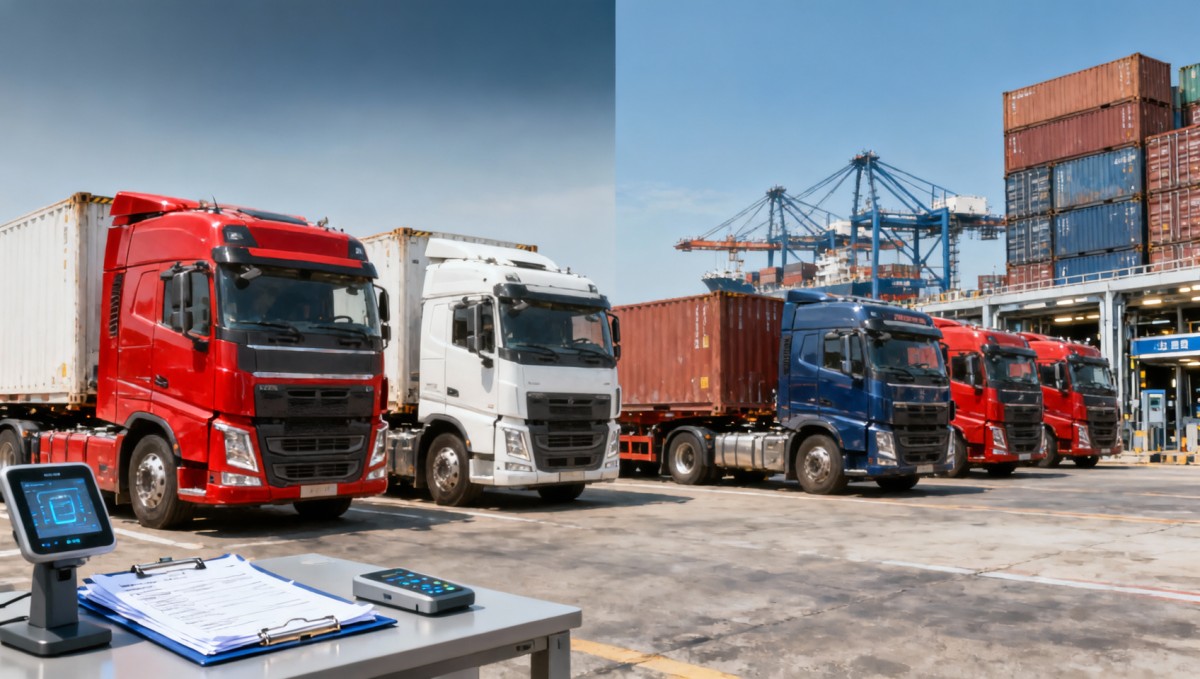
A narrower margin for declaration errors
According to the provided information, the General Administration of Customs of China officially launched ICAS-HeavyDuty v2.1 on July 10, 2026, across major ports in Tianjin, Qingdao, Shanghai, Shenzhen, and Chongqing. The system applies to heavy trucks and specialized vehicle exports and covers 17 key HS codes, including 870422, 870423, and 870431.
The stated function of the new system is to use AI-based recognition to automatically check technical parameters against classification logic. Based on the same provided information, the upgrade has reduced declaration error rates by 73% and improved average customs clearance efficiency to 3.1 working days. It is also described as reducing the risk of returned filings and inspections caused by inaccurate declarations.
Where the operational impact is likely to appear first
Exporters handling vehicle declarations
From an industry perspective, exporters of heavy trucks and specialized vehicles are among the first parties likely to feel the effect. Their exposure is concentrated in product classification, document preparation, and pre-shipment filing accuracy. What deserves closer attention is whether internal product data, technical specifications, and declaration materials are consistent enough to align with the system's automated checks.
Customs brokers and supply chain service providers
Analysis shows that service providers involved in customs filing and export coordination may see the impact in day-to-day execution rather than strategy alone. If the system is designed to identify mismatches between technical parameters and classification logic, then brokers and compliance teams will need to pay closer attention to data completeness, filing accuracy, and the handling of high-risk codes within the covered range.
Overseas importers focused on landed cost and timing
Observably, the direct concern for overseas importers is not the software itself but the downstream effect on customs timing, tariff outcomes, and delivery certainty. The provided information explicitly links the upgrade to clearance efficiency, tariff cost, and arrival predictability, which means import-side procurement and scheduling teams may need to watch whether shipment planning assumptions should be updated for covered vehicle categories.
What companies should watch in practice
Check whether shipped products fall within the covered HS code range
Companies should first confirm whether their export products are included in the 17 key HS codes covered by ICAS-HeavyDuty v2.1. This is a practical starting point because the operational effect of the new system will likely be most immediate where those codes are already part of routine export business.
Review technical data used in declarations
Because the system is described as automatically validating technical parameters against classification logic, current attention should go to the quality and consistency of model specifications, supporting documents, and filing inputs. Analysis shows that even where business volume is unchanged, declaration workflows may need tighter internal checks if the pre-review process becomes less tolerant of incomplete or inconsistent information.
Separate policy signal from shipment-level execution
What deserves closer attention is the difference between a formal system launch and its practical effect on individual shipments. The launch across major ports is a confirmed fact, but shipment outcomes will still depend on how declarations are prepared and how the covered product categories are handled in real operations. Companies should therefore avoid treating the policy signal as a uniform result across all transactions.
Adjust communication with customers and partners
For exporters and service providers, another practical point is communication. Where overseas buyers, freight partners, or customs agents are involved, it may be necessary to align expectations around clearance timing, filing accuracy, and documentation standards for covered vehicle exports. This is especially relevant where landed cost planning and delivery commitments depend on smooth export processing.
Why this looks like both an immediate change and a longer signal
Analysis shows that this development can be read on two levels. In the short term, it is an operational change in export declaration review for heavy trucks and specialized vehicles at major Chinese ports. In a broader sense, it also signals stronger use of automated verification in customs processes where technical classification has direct cost and compliance consequences. It is more appropriate to understand this as an implemented procedural change with longer-term implications still worth watching, rather than as a fully settled outcome across every trade flow.
How to read the update at this stage
At this stage, the most reasonable interpretation is that China Customs has introduced a more structured and technology-driven layer into heavy-duty vehicle export classification, with clear implications for filing accuracy and operational certainty. The confirmed data points on lower declaration errors and faster average clearance make the change immediately relevant, but the broader industry meaning still depends on how consistently businesses adapt their documentation and classification practices in the covered categories.
Basis of this article and points for continued verification
This article is based on the user-provided news title, event date, and event summary. For this type of development, commonly relevant source categories may include official customs notices, company announcements, industry association updates, authoritative media coverage, and standards-related documentation. A specific official source link was not provided in the input, so the exact original release should still be continuously verified. Follow-up attention should focus on any later official wording, scope adjustments, or implementation details related to covered HS codes, port execution, and declaration practice.
NAVIGATION
Send Us A Message