


News
Explore what’s going on around the industry and get the latest from the world of heavy equipment and earth-moving.
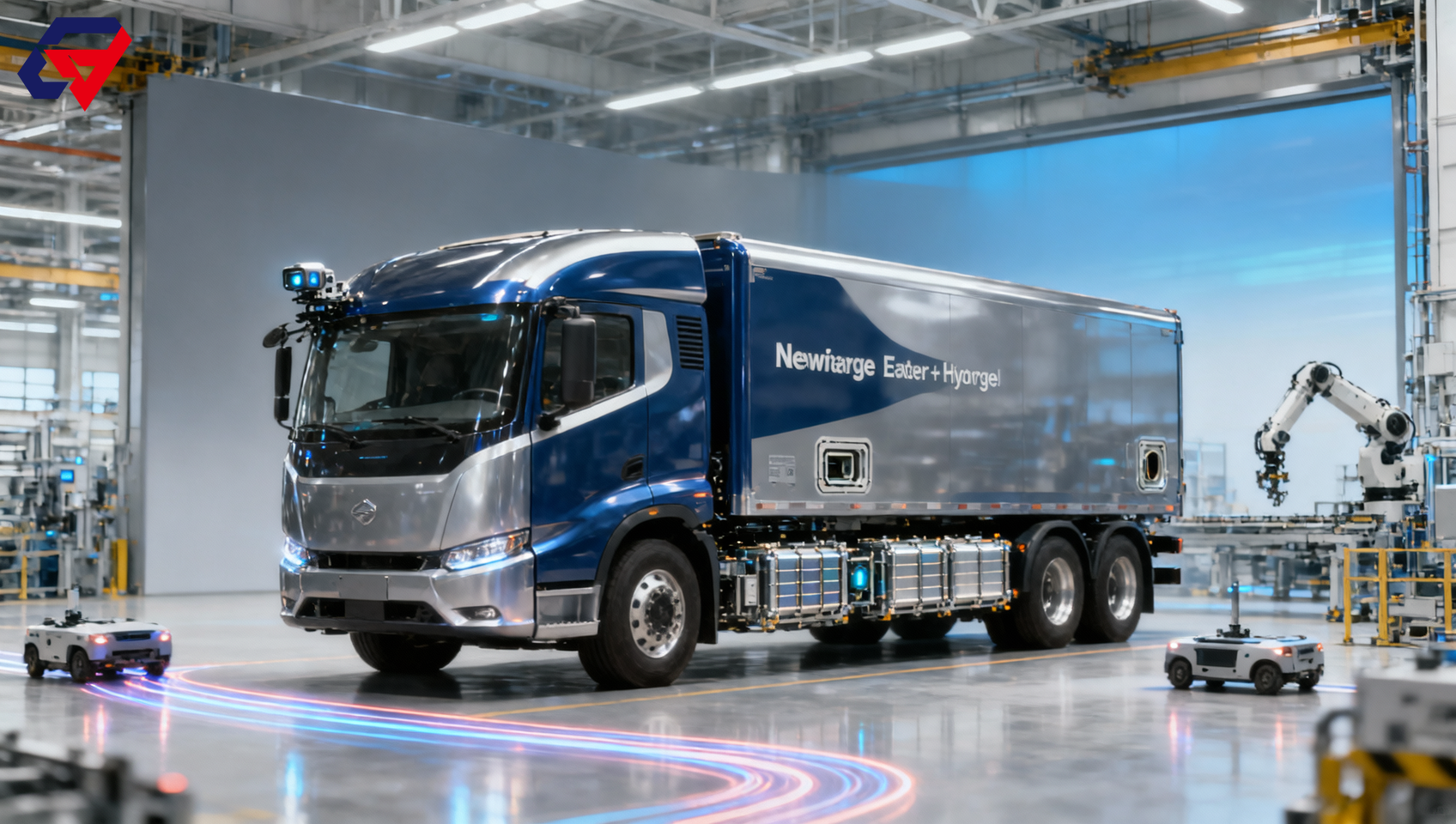
European mainstream heavy-duty truck manufacturers are set to conduct their first-ever group visit to leading Chinese new energy vehicle (NEV) heavy-duty truck enterprises — marking a pivotal shift from component-level procurement to整车-level technical collaboration with China. Confirmed by JAC Heavy Truck’s March 4, 2026 announcement, this delegation will assess R&D capabilities, intelligent manufacturing standards, and real-world deployment of battery-swapping and hydrogen fuel technologies. The move signals intensified global evaluation of China’s systemic export readiness — particularly in powertrain systems (battery, motor, controller), intelligent driving domain controllers, and standardized battery-swap interface compatibility — making it highly relevant for international trade, automotive supply chain, and clean transportation infrastructure stakeholders.
Event Overview
According to JAC Heavy Truck’s official update dated March 4, 2026, a delegation of European mainstream heavy-duty truck original equipment manufacturers (OEMs) will soon travel to China for an on-site assessment of top-tier Chinese NEV heavy-duty truck enterprises. The visit will focus on three core areas: (1) R&D capacity; (2) intelligent manufacturing capability; and (3) practical implementation of battery-swapping and hydrogen fuel solutions. This is the first known instance of such a coordinated, high-level OEM delegation targeting Chinese NEV heavy-duty truck developers.
Industries Affected
Direct Export & Trade Enterprises
This visit directly affects companies engaged in cross-border NEV heavy-duty truck exports or joint venture-based technology transfer. As European OEMs shift from sourcing components to evaluating full-vehicle system integration, export-oriented firms may face heightened scrutiny on compliance with EU-type approval frameworks, cybersecurity requirements for domain controllers, and interoperability of battery-swap interfaces — not just product performance.
Powertrain & Critical Component Suppliers
Suppliers of battery systems, electric drive units, and intelligent driving domain controllers are likely to experience increased technical due diligence. The delegation’s focus on ‘systemic export capability’ implies demand for traceable validation data — including thermal management under European climatic conditions, functional safety (ISO 26262 ASIL-B/C alignment), and software update architecture — rather than just component certifications.
Charging/Infrastructure Technology Providers
Firms developing battery-swap stations, hydrogen refueling protocols, or fleet energy management platforms may see renewed interest — but conditional on standardization alignment. The emphasis on ‘swap interface standard adaptation’ suggests that interoperability with emerging European interface proposals (e.g., ECRS, SAE J3400 derivatives) will become a differentiating factor, not just domestic compliance.
Supply Chain Integration & Logistics Service Providers
Third-party logistics providers, homologation support agencies, and supply chain visibility platform operators may encounter rising demand for services supporting multi-market certification pathways — especially bridging GB/T, UN R136, and EU type-approval documentation workflows. Scalable, audit-ready data trails across battery lifecycle stages will likely gain importance.
What Stakeholders Should Monitor and Prepare For
Track official follow-up statements from both EU OEMs and Chinese industry associations
Current information originates solely from JAC Heavy Truck’s March 4, 2026 release. No European OEM has publicly confirmed participation, scope, or timeline. Stakeholders should monitor official press channels over Q2 2026 for formal announcements — distinguishing preliminary scouting from binding cooperation intent.
Assess exposure to battery-swap interface standardization efforts
Given explicit mention of ‘swap interface standard adaptation’, enterprises involved in battery design, chassis integration, or fleet operations should review current interface specifications (e.g., GB/T 40032–2021) against draft European proposals. Early gap analysis may inform internal engineering roadmaps ahead of potential harmonization timelines.
Distinguish between policy signal and near-term commercial impact
While symbolically significant, this visit does not equate to imminent orders or joint ventures. From industry perspective, it reflects growing technical confidence — not finalized procurement decisions. Companies should avoid reallocating core resources prematurely; instead, prioritize low-cost readiness actions such as bilingual technical documentation updates and third-party audit pre-checks.
Prepare for expanded technical dialogue requirements
Anticipate requests for deeper technical disclosures — e.g., failure mode analysis of battery thermal runaway mitigation, OTA update rollback mechanisms, or hydrogen system leak detection response latency. Internal cross-functional alignment (R&D, quality, regulatory affairs) should be strengthened before engagement windows open.
Editorial Observation / Industry Perspective
Analysis来看, this delegation is best understood as a high-signal technical reconnaissance — not a transactional milestone. It reflects evolving OEM risk calculus: where earlier engagements focused on cost-driven component sourcing, today’s priority is validating whether Chinese NEV heavy-duty systems meet holistic integration thresholds required for European fleet adoption. Observation来看, the emphasis on ‘systemic export capability’ — spanning hardware, software, and infrastructure interfaces — suggests future collaboration may hinge less on individual product specs and more on ecosystem coherence. From industry angle, this signals a maturing phase in global NEV heavy-duty competition: one where interoperability, certification agility, and end-to-end serviceability carry equal weight to raw performance metrics. Continued monitoring is warranted — but measured interpretation remains essential.
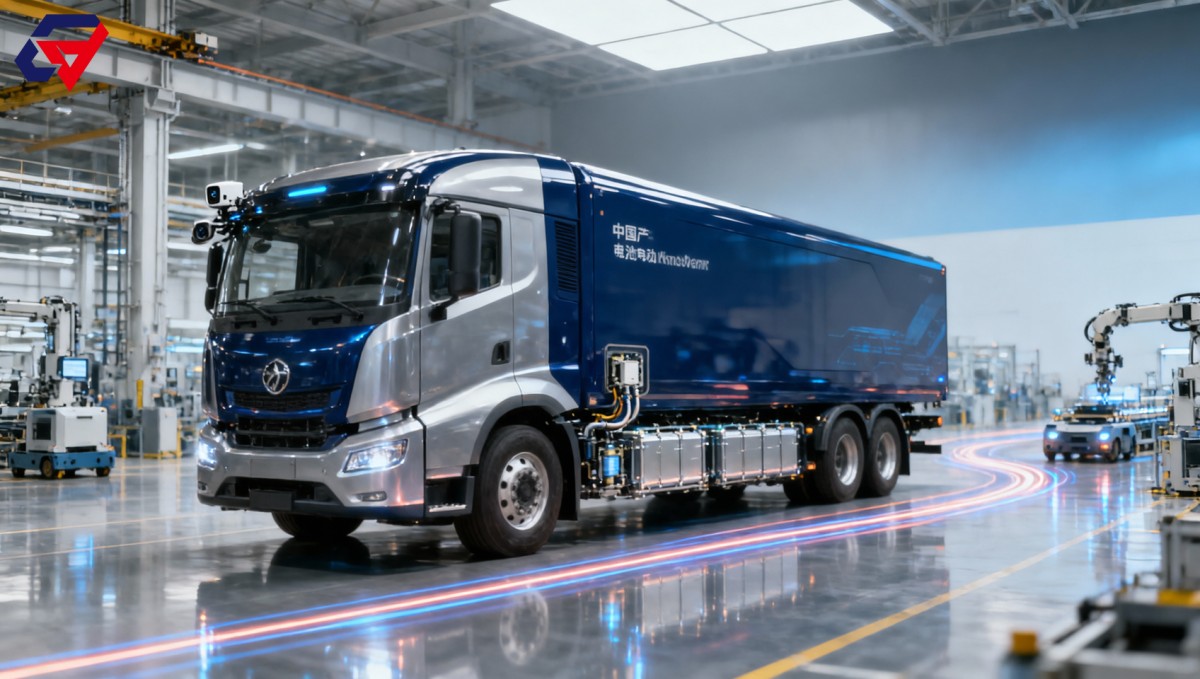
In summary, this event marks a structural inflection point — not in immediate sales volume, but in how global OEMs perceive and engage with Chinese NEV heavy-duty innovation. It underscores a transition from peripheral participation to central technical co-evaluation. Currently, it is more appropriately interpreted as a strong diagnostic signal of shifting OEM priorities, rather than evidence of imminent market access or partnership closure.
Source: JAC Heavy Truck official announcement, March 4, 2026.
Note: Participation status, itinerary, and specific OEM names remain unconfirmed as of publication. Further developments require ongoing observation.
NAVIGATION
Send Us A Message