



News
Explore what’s going on around the industry and get the latest from the world of heavy equipment and earth-moving.
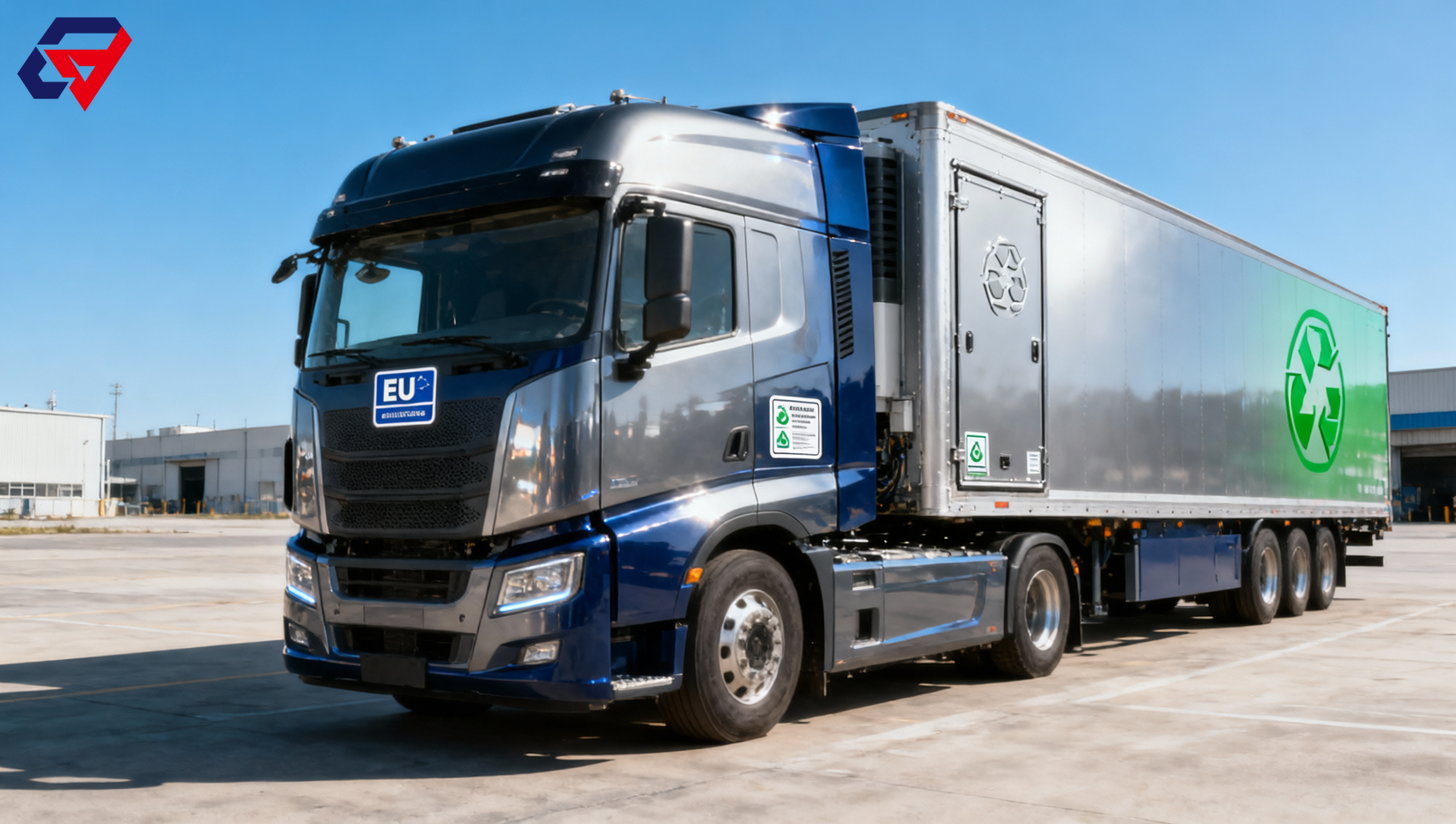
Starting 1 June 2026, the European Union will require all imported new-energy heavy-duty trucks—including tractors, dump trucks, and specialized chassis—to provide a verified whole-life-cycle carbon footprint report. This requirement directly affects exporters, suppliers, and importers in the global heavy-vehicle supply chain, particularly those engaged in China–EU trade. Stakeholders in electric commercial vehicle manufacturing, battery materials sourcing, LCA service provision, and cross-border logistics should closely monitor implementation details and documentation readiness.
Event Overview
The European Commission formally published the Implementing Rules for the Heavy-Emission Vehicles Carbon Border Adjustment Mechanism (CBAM-HEV) on 7 May 2026. As stipulated, from 1 June 2026, all new-energy heavy trucks imported into the EU must submit a full life-cycle assessment (LCA) report certified by an EU Emissions Trading System (EU-ETS)-accredited verification body. The report must cover upstream battery material extraction, vehicle manufacturing, transport to the EU, and end-of-life recycling. Non-compliant vehicles may be denied entry or subject to additional carbon tariffs.
Which Subsectors Are Affected
Direct Exporters & OEMs
Chinese and other non-EU manufacturers exporting new-energy heavy trucks to the EU will face revised type-approval pathways. Compliance now hinges not only on technical conformity but also on verifiable carbon accounting across the entire value chain—making LCA integration a prerequisite for market access.
Battery Raw Material Suppliers
Suppliers of lithium, cobalt, nickel, and graphite used in traction batteries must now support downstream customers with traceable, auditable data on extraction, refining, and transportation emissions. Without standardized, EU-recognized upstream emission factors, OEMs cannot complete compliant LCAs.
Vehicle Manufacturers & Tier-1 Assemblers
Manufacturers must formalize internal carbon accounting systems covering energy use in production facilities, component sourcing, and assembly line operations. EU-ETS-accredited verification requires documented process-level data—not just aggregated estimates—raising operational transparency requirements significantly.
Third-Party LCA Service Providers & Certification Bodies
Only verification bodies accredited under the EU-ETS framework are authorized to issue CBAM-HEV–compliant reports. This creates both opportunity and gatekeeping pressure: demand for qualified LCA modeling and auditing services is rising, but capacity remains limited outside Europe.
What Relevant Enterprises or Practitioners Should Focus On Now
Monitor official guidance updates from the European Commission and EU-ETS National Administrations
While the Implementing Rules were published on 7 May 2026, technical annexes—including approved LCA methodologies, default emission factors, and accreditation criteria for verification bodies—are still pending. These documents will define practical compliance thresholds and reporting formats.
Map current LCA data gaps across the supply chain—especially upstream battery materials
Many Chinese battery material producers do not yet collect or disclose facility-level Scope 1 and Scope 2 emissions data aligned with ISO 14040/44 or GHG Protocol standards. Exporters should initiate supplier engagement now—not after certification deadlines loom.
Distinguish between regulatory signal and enforceable obligation
The 1 June 2026 date marks the start of mandatory reporting, but enforcement timelines for carbon tariff application (e.g., phased levy rates or grace periods) remain unspecified. Companies should treat this as a binding procedural requirement—not a flexible target—and prioritize documentation readiness over tariff speculation.
Prepare customs documentation workflows and cross-functional coordination protocols
Carbon footprint reports will become mandatory accompanying documents for EU customs clearance—similar to CoC or ATR certificates. Logistics teams, compliance officers, and engineering departments must align on data handover timing, version control, and audit trail maintenance.
Editorial Perspective / Industry Observation
Observably, this rule signals a structural shift: carbon accountability is moving from voluntary ESG disclosure to mandatory, legally enforceable product-level compliance. Analysis shows it is less a ‘carbon tax’ in the narrow sense and more a regulatory extension of the EU’s type-approval system—embedding climate performance into core market access conditions. From an industry perspective, its immediate impact lies not in tariff revenue generation, but in accelerating standardization of LCA practice across global heavy-vehicle supply chains. Continued attention is warranted—not because implementation is uncertain, but because its cascading effects on procurement, R&D prioritization, and certification infrastructure are already unfolding.
Conclusion
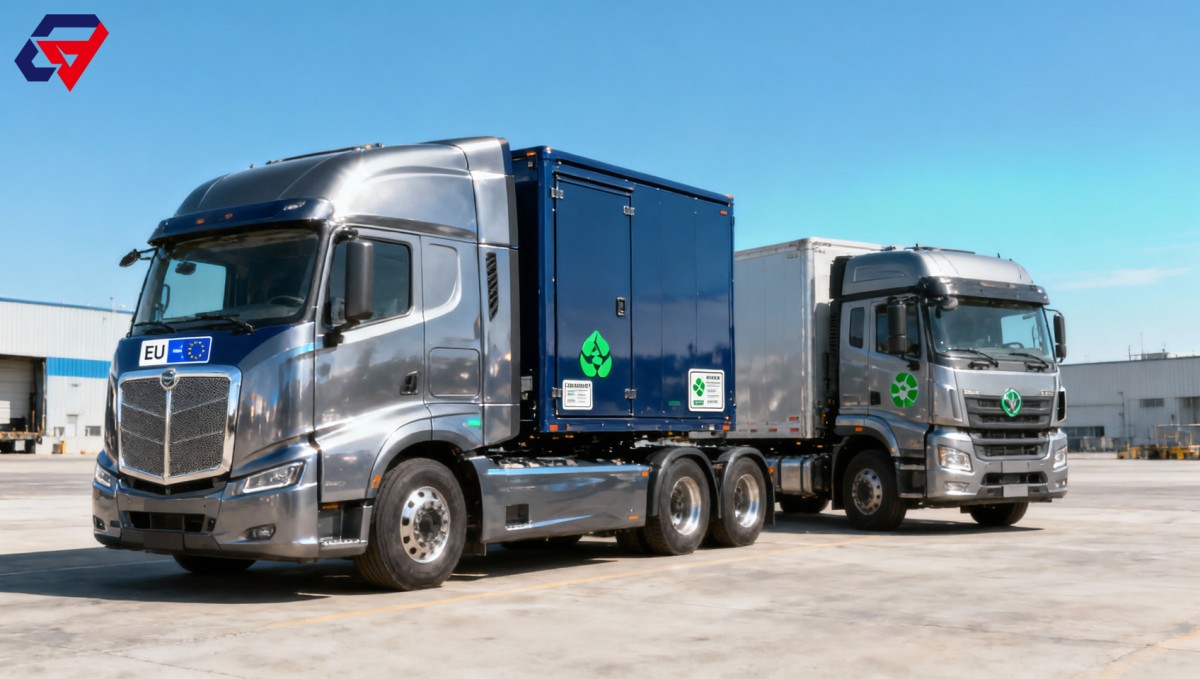
EU Regulation (EU) 2026/XXX on CBAM-HEV does not introduce a new environmental objective—it institutionalizes carbon accounting as a condition of trade for a high-impact vehicle segment. Its significance lies in precedent: if successfully enforced for heavy trucks, similar lifecycle requirements may extend to medium-duty vehicles or construction equipment in subsequent revisions. For now, it is best understood not as a barrier, but as a formalized dimension of product compliance—one that rewards early data discipline and cross-supplier collaboration.
Information Sources
European Commission, Implementing Rules for the Heavy-Emission Vehicles Carbon Border Adjustment Mechanism (CBAM-HEV), Official Journal of the European Union, L 135/1, 7 May 2026. Note: Technical annexes and verification body accreditation procedures remain under publication and are subject to ongoing monitoring.
NAVIGATION
Send Us A Message