



News
Explore what’s going on around the industry and get the latest from the world of heavy equipment and earth-moving.
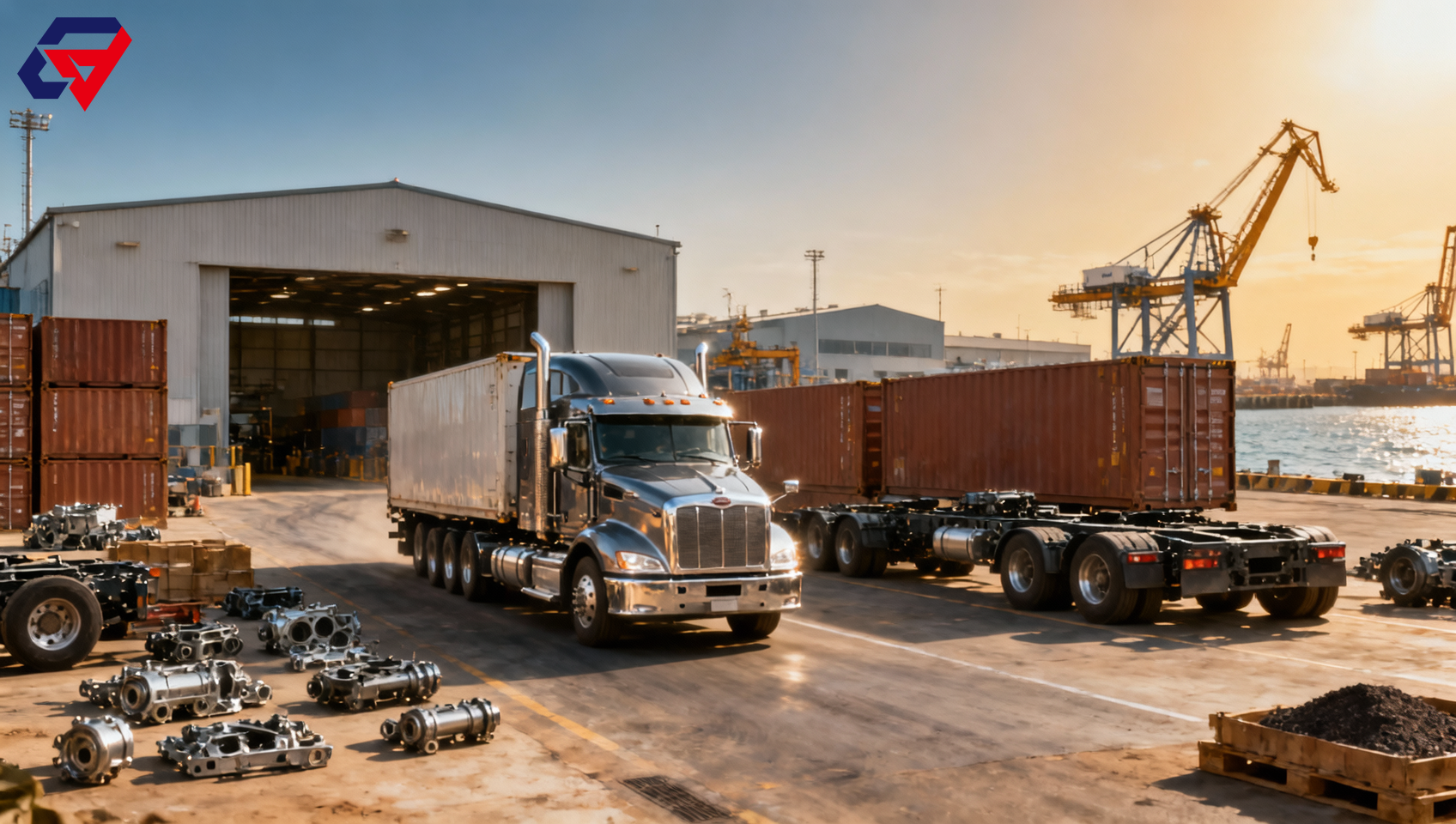
From May 1, 2026, China officially applies zero tariffs to 98% of tariff-line products for all African countries that have diplomatic relations with China. The policy covers complete medium and heavy-duty trucks, chassis, and key knock-down parts, making it especially relevant to heavy truck exports, African importers, local assembly operations, distribution channels, and supply chain service providers. The issue deserves industry attention because it directly changes procurement costs, customs clearance complexity, and the competitive position of Chinese truck brands in African infrastructure-related demand.

Event Overview
According to the available information, starting on May 1, 2026, China implements zero tariffs on 98% of tariff-line products for all African countries that maintain diplomatic relations with China.
The coverage includes complete medium and heavy-duty trucks, truck chassis, and key knock-down parts. The information also states that the measure will directly reduce procurement costs and customs clearance complexity for African importers.
When combined with localized assembly, including knock-down facilities in Kenya and Nigeria, end-market prices are expected to fall by 18% to 22%. The same information indicates that this could improve the bidding competitiveness of Chinese brands during a period of faster infrastructure development in Africa.
Which Segments of the Industry Are Affected
Direct Heavy Truck Export and Import Businesses
Heavy truck export companies and African importers are the most directly affected because the zero-tariff arrangement covers complete medium and heavy-duty trucks. The main impact lies in lower import procurement costs and a potentially simpler customs clearance process.
From an industry perspective, companies engaged in cross-border truck transactions may need to reassess landed-cost calculations, quotation structures, and delivery schedules. However, actual business benefits will still depend on how the tariff treatment is implemented in specific trade procedures.
Chassis and Key Knock-Down Parts Suppliers
The policy also covers truck chassis and key knock-down parts, which makes it relevant to suppliers involved in semi-complete vehicle exports and assembly-oriented trade.
Analysis shows that the effect is not limited to complete truck exports. Suppliers of chassis and major knock-down components may see changes in order planning, product packaging, documentation requirements, and coordination with African assembly partners. The cost impact may be especially important where local assembly is already part of the business model.
Localized Assembly Operations
Localized assembly operations, including knock-down factories in Kenya and Nigeria mentioned in the available information, may benefit from the combination of zero-tariff coverage and local assembly.
Observably, the possible 18% to 22% reduction in end-market prices is linked to the combined effect of tariff treatment and localized assembly. For assembly operators, the main concern is whether parts flow, customs documentation, production scheduling, and market pricing can be aligned quickly enough to reflect the policy change.
Distribution and Channel Companies
Distributors and channel companies in African markets may face changes in pricing, inventory value, and customer negotiation expectations. If procurement costs fall, downstream buyers may expect faster price adjustments.
What deserves closer attention now is the timing gap between policy implementation, shipment arrival, customs processing, and retail pricing. Channel companies should avoid treating the policy as an immediate uniform price cut across all inventory, especially where existing stock was purchased under earlier cost conditions.
Supply Chain and Customs Service Providers
Supply chain service providers, including freight forwarders, customs brokers, and documentation service companies, are also affected because the available information specifically mentions reduced customs clearance complexity.
From an industry perspective, their role may shift toward helping clients confirm product eligibility, prepare correct trade documents, and coordinate shipment routes for complete trucks, chassis, and knock-down parts. The practical value will depend on accurate execution rather than on the policy signal alone.
What Companies and Practitioners Should Watch and How to Respond
Track Official Follow-Up and Implementation Details
Companies should continue to monitor official wording and operational guidance related to the zero-tariff coverage. The available information confirms the policy direction and coverage scope, but business execution still requires attention to customs classification, eligibility documents, and market-level procedures.
It is more appropriate to understand this as a policy change that creates cost-reduction conditions, not as an automatic guarantee that every transaction will immediately achieve the same savings.
Recheck Key Product Categories and Trade Documents
Businesses dealing with complete heavy trucks, chassis, and key knock-down parts should review whether their current product categories match the covered scope described in the policy information.
Analysis shows that practical preparation should focus on product classification, invoice descriptions, packing lists, and customs documentation. Misalignment between product form and declared category could reduce the efficiency benefits that the policy is intended to create.
Separate Policy Signals from Actual Market Pricing
The information states that end-market prices are expected to fall by 18% to 22% when zero tariffs are combined with localized assembly. Companies should treat this as an expected outcome under the stated conditions rather than a fixed result for every market or every order.
From an industry perspective, importers, distributors, and assembly operators should distinguish between new shipments affected by the policy and existing inventory purchased before the tariff change. This distinction is important for pricing discussions, dealer communication, and customer expectations.
Prepare Procurement and Supply Chain Plans in Advance
Companies involved in Africa-bound heavy truck trade should prepare procurement plans around the covered categories: complete vehicles, chassis, and key knock-down parts. Coordination with assembly plants, importers, and customs service providers should be updated before large order commitments are made.
What deserves closer attention now is the connection between cost reduction and delivery capability. A lower tariff burden may improve competitiveness, but firms still need practical readiness in shipment scheduling, parts coordination, customs documentation, and market communication.
Editor’s View / Industry Observation
Observably, this policy is more than a tariff adjustment for a single product category. Because it covers complete medium and heavy-duty trucks, chassis, and key knock-down parts, it affects several connected links in the heavy truck export chain.
Analysis shows that the most immediate meaning is a reduction in cost pressure for African importers and a clearer opportunity for localized assembly models. The expected 18% to 22% decline in end-market prices, as stated in the available information, suggests that the combined effect of tariff policy and knock-down assembly could reshape price competitiveness.
It is more appropriate to understand this development as both a policy signal and a potential business result. The policy has already taken effect on May 1, 2026, but its commercial impact will depend on how companies apply the tariff treatment, manage documentation, coordinate assembly, and adjust market pricing.
Conclusion
The zero-tariff arrangement for all African countries with diplomatic relations with China creates a notable cost-side change for the heavy truck export chain. It is especially relevant to complete vehicle exporters, chassis and knock-down parts suppliers, African importers, local assembly operators, distribution channels, and supply chain service providers.
From an industry perspective, the development should be viewed rationally: it provides a stronger basis for cost reduction and competitive pricing, but actual outcomes will depend on implementation details and business execution. At this stage, companies should focus on product eligibility, customs preparation, localized assembly coordination, and clear communication with downstream partners.
Information Source Statement
Main source: Event information provided for this industry update, concerning China’s zero-tariff treatment for 98% of tariff-line products for all African countries with diplomatic relations with China, effective May 1, 2026.
Items for continued observation: follow-up official implementation details, product classification execution, customs clearance procedures, and the actual pricing effect in African heavy truck markets.
NAVIGATION
Send Us A Message