


News
Explore what’s going on around the industry and get the latest from the world of heavy equipment and earth-moving.
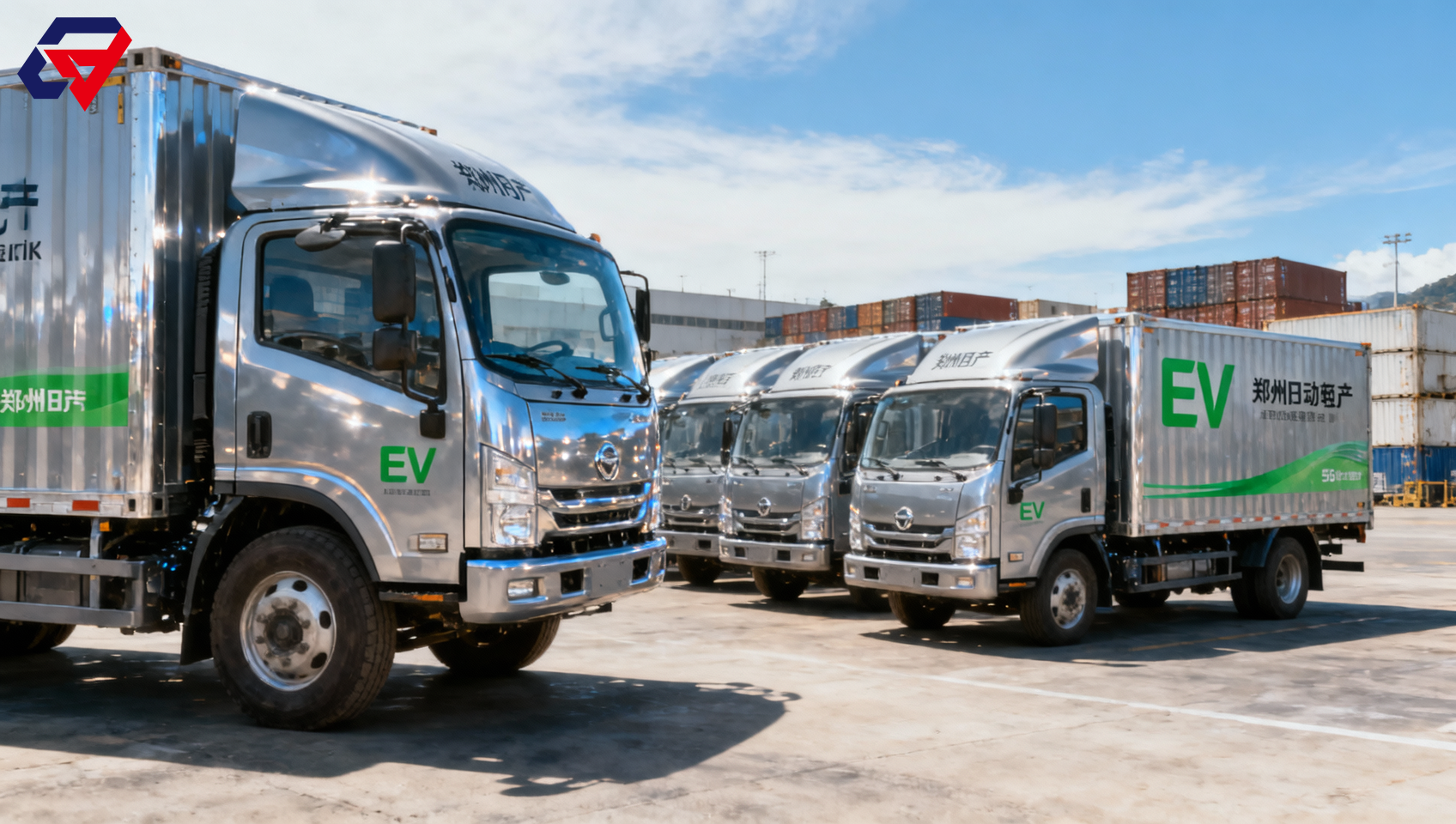
On May 8, 2026, Peru’s Ministry of Transport completed customs clearance and registration for the first batch of 50 Zhengzhou Nissan electric light-duty trucks — marking the inaugural implementation of the country’s 2025–2030 National Electric Freight Roadmap. This development signals early-stage market access for Chinese new-energy commercial vehicles in the Andean Community (CAN), with implications for logistics infrastructure providers, cross-border trade operators, and regulatory compliance service firms across Latin America.
Event Overview
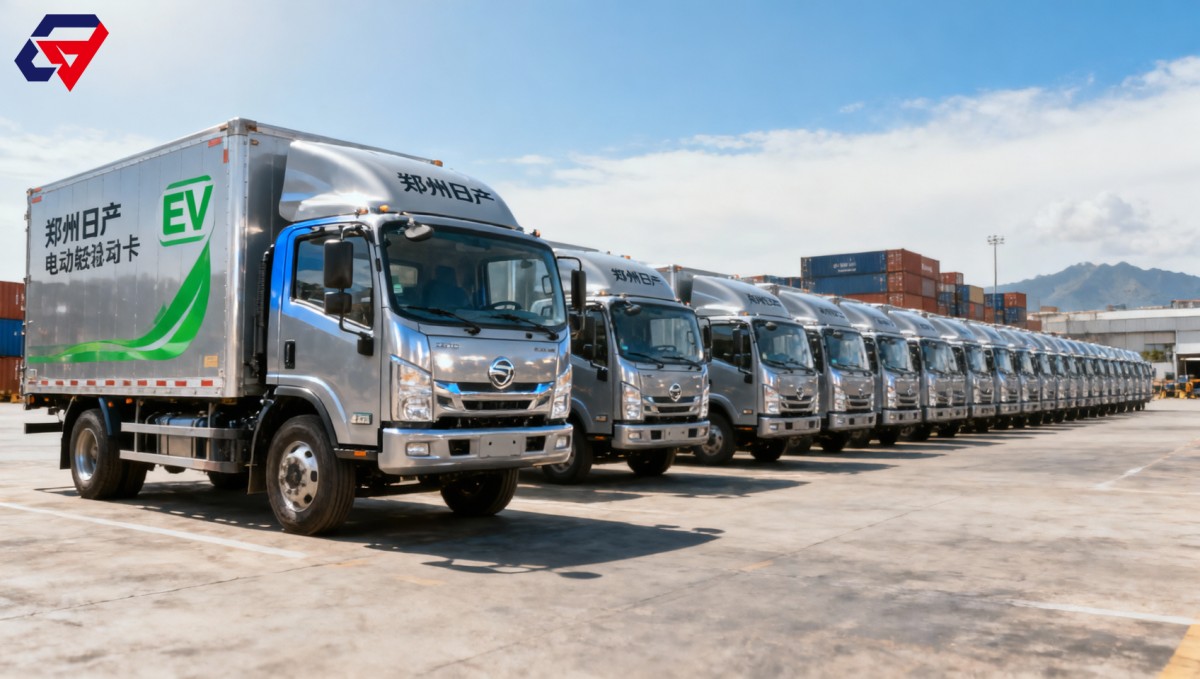
On May 8, 2026, Peru’s Ministry of Transport finalized import customs clearance and vehicle registration for 50 Zhengzhou Nissan electric light trucks. The vehicles have passed certification by INDECOPI (Peru’s National Institute for the Defense of Competition and Intellectual Property) and are now deployed as a demonstration fleet under Peru’s ‘Green Logistics Corridor’ pilot program. This procurement represents the first executed project under Peru’s 2025–2030 National Electric Freight Roadmap.
Industries Affected
Direct Exporters and Trade Enterprises
This approval establishes a precedent for EV light-truck imports into the Andean Community. As Peru’s process sets an initial benchmark, exporters targeting CAN markets may face evolving documentation, labeling, and conformity assessment requirements aligned with INDECOPI’s test protocols.
Supply Chain and Certification Service Providers
Certification bodies and third-party testing labs supporting export compliance must now account for INDECOPI’s EV commercial vehicle evaluation framework — particularly for battery safety, charging interface interoperability, and local homologation data submission formats.
Logistics and Fleet Operators in Target Markets
Fleet managers in Chile, Colombia, and other CAN member states may begin evaluating technical specifications and operational performance data from Peru’s pilot fleet. Observed uptime, charging infrastructure compatibility, and maintenance support responsiveness will inform their own procurement readiness assessments.
Local Assembly and CKD Partners
Manufacturers exploring knock-down (CKD) assembly or localized production in the region may treat Peru’s approval as an early signal of regulatory feasibility — though no formal policy on local content or assembly incentives has been announced.
What Stakeholders Should Monitor and Do Now
Track official updates on CAN-wide harmonization efforts
Current more than a bilateral agreement, this case may catalyze coordination among CAN members on EV freight standards. Stakeholders should monitor statements from the Andean Community Secretariat and national transport ministries for alignment signals — especially regarding mutual recognition of test reports.
Focus on INDECOPI’s published EV truck certification criteria
The specific test parameters applied to these 50 units — including battery thermal management validation, cold-weather performance thresholds, and OBD-II protocol compliance — are likely to become reference points for future applications. Exporters should request publicly available summaries of the certification dossier.
Distinguish between policy intent and operational rollout
While the roadmap outlines national targets, actual fleet electrification depends on charging infrastructure deployment, grid capacity upgrades, and fiscal incentive mechanisms — none of which are confirmed as active or funded beyond the pilot phase.
Prepare for potential pre-shipment verification steps
Given the emphasis on conformity assessment, exporters should review internal quality control checkpoints — especially software-defined features (e.g., telematics integration, remote diagnostics) — to ensure consistency with declared specifications submitted during certification.
Editorial Perspective / Industry Observation
Observably, this event functions primarily as a regulatory pathway signal — not yet a scalable commercial entry point. Analysis shows that its significance lies less in volume (50 units) and more in procedural validation: it confirms that INDECOPI’s EV commercial vehicle certification framework is operational and enforceable. From an industry perspective, it reflects growing institutional capacity for EV freight regulation in mid-income Andean economies — but does not indicate imminent tariff reductions, subsidy programs, or mandatory phase-out timelines. Current more than a market-opening milestone, it is better understood as the first verified step in a multi-year, country-by-country harmonization process.
Peru’s Ministry of Transport and INDECOPI are the primary sources of confirmed information. Ongoing observation is required regarding whether Chile or Colombia formally adopt Peru’s test criteria as a basis for their own evaluations — a development not yet announced or documented.
Conclusion: This milestone confirms the feasibility of EV light-truck market access in the Andean Community under existing regulatory frameworks — but remains a narrow, pilot-scale validation. It is more accurately interpreted as an early indicator of institutional readiness than evidence of near-term commercial scalability. Stakeholders should treat it as a procedural reference point, not a demand signal.
Source: Official announcements from Peru’s Ministry of Transport and INDECOPI; public documentation of the 2025–2030 National Electric Freight Roadmap. Note: Future alignment actions by other CAN members remain unconfirmed and require ongoing monitoring.
NAVIGATION
Send Us A Message