



News
Explore what’s going on around the industry and get the latest from the world of heavy equipment and earth-moving.

On June 1, 2026, Malaysia ended the import duty exemption previously applied to pure electric and plug-in hybrid commercial vehicles, including heavy trucks, while also adding a local battery compliance requirement tied to MS IEC 62660-2:2026. For companies involved in cross-border truck sales, regional distribution, procurement, certification support, and delivery planning, this is worth close attention because it changes both the landed-cost structure and the compliance path for affected vehicles entering the market.
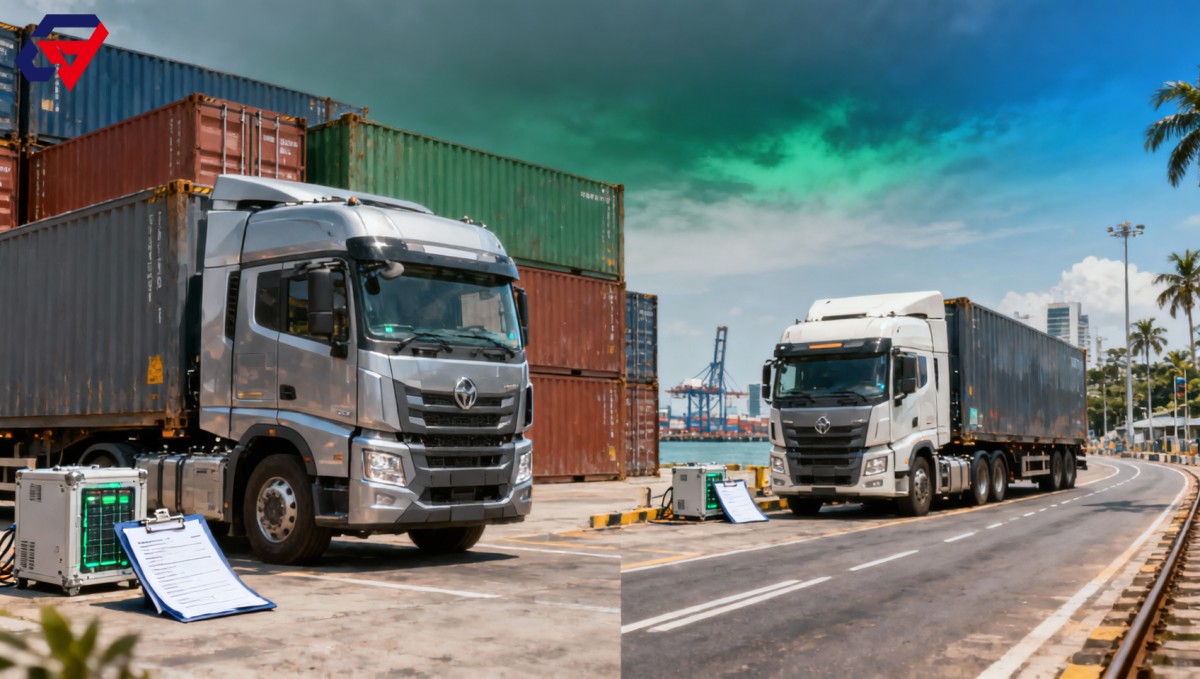
What Has Changed in Malaysia’s Import Framework
According to the provided information, Malaysia formally cancelled the import duty exemption for pure electric and plug-in hybrid commercial vehicles, including heavy trucks, effective June 1, 2026. The affected products now return to the most-favoured-nation (MFN) tariff treatment. At the same time, an added local battery compliance requirement applies, and batteries must meet MS IEC 62660-2:2026. Based on the event summary provided, the combined import cost impact is expected to rise by an average of 12–18%.
The same information indicates that this change directly affects pricing strategies and inventory cycles for distributors serving the Southeast Asian market. It also suggests that buyers may pay closer attention to Chinese suppliers that can support localised certification and financing solutions.
Where the Pressure Is Likely to Appear First
Pricing and stock planning for regional distributors
From an industry perspective, distributors are among the first to feel the impact because the rule change affects the landed cost of imported electric and plug-in hybrid commercial vehicles. The main pressure points are likely to be quotation updates, stock-turn assumptions, and the timing of replenishment decisions. What deserves closer attention is whether existing pricing models, buffer stock plans, and customer lead-time commitments still remain workable under the restored MFN tariff treatment and the added battery compliance condition.
Procurement reviews for fleet buyers and project purchasers
Fleet buyers and other procurement-side participants may need to recheck whether current sourcing plans still align with budget expectations and delivery schedules. Analysis shows that the issue is not only the higher import cost, but also whether suppliers can present the documents and technical materials needed to demonstrate conformity with MS IEC 62660-2:2026. In practical terms, tender documents, procurement specifications, and technical review files may require closer scrutiny where battery compliance is a prerequisite.
Export-facing suppliers and compliance support providers
For exporters and companies supporting certification or market access, the change raises the importance of compliance readiness rather than product shipment alone. The likely impact falls on document preparation, test-report coordination, technical file completeness, and communication with downstream buyers on certification status. Observably, suppliers that cannot clearly explain their readiness for the local battery requirement may face longer sales cycles or increased transaction friction.
After-sales and delivery coordination
Supply-chain service providers and after-sales teams may also need to watch for knock-on effects in delivery planning and handover schedules. If buyers place more weight on compliance evidence and financing support, then delivery discussions may become more closely linked to document availability, transaction terms, and post-delivery traceability arrangements rather than price alone.
What Companies Should Watch Now
Check whether battery compliance files are presentation-ready
Analysis shows that companies should first review whether battery-related technical documents, test materials, and conformity records are ready to support MS IEC 62660-2:2026 alignment. The provided information does not specify detailed enforcement procedures, so this should be treated as a compliance checkpoint requiring continued attention rather than as a fully defined filing pathway.
Rework quotations and contract assumptions
Businesses active in the affected vehicle categories should re-examine how the restored MFN tariff treatment and the estimated 12–18% cost increase may affect quotations, contract validity periods, and procurement discussions. What deserves closer attention is whether commercial terms, especially those tied to delivery timing and validity windows, still reflect the new cost environment.
Review supplier capabilities beyond vehicle supply
Observably, the event summary points to growing buyer interest in suppliers that can support localised certification and financing solutions. That means supplier evaluation may increasingly include compliance coordination ability, document responsiveness, and transaction-support capacity, not only product specifications or unit pricing.
Follow execution language and market feedback closely
Because the provided information does not include detailed official implementation language beyond the policy change itself, companies should continue watching for how the requirement is reflected in procurement files, buyer checklists, and practical certification expectations. This is especially relevant for businesses managing rolling deliveries or regional inventory allocation.
Why This Looks Like More Than a Cost Adjustment
Analysis shows that this development is better understood as a combined trade-and-compliance signal rather than a simple tariff update. The duty exemption removal changes import economics, while the battery standard requirement raises the threshold for market entry preparation. From an industry perspective, the more important issue is not only that costs may rise, but that cost, certification readiness, and transaction support may now be assessed together by buyers and channel partners.
It is also more appropriate to understand this as an already landed rule change with execution details still worth monitoring. The effective date is clear in the provided information, but the practical market response may depend on how buyers, distributors, and supporting service providers translate the new requirements into quotations, technical reviews, and delivery arrangements.
How the Market May Read This Shift
In summary, the event points to a more demanding import environment for electric and plug-in hybrid commercial vehicles entering Malaysia from June 1, 2026. The confirmed change lies in the end of duty relief, the return to MFN tariff treatment, and the added battery compliance requirement under MS IEC 62660-2:2026.
A neutral reading is that this is not merely a headline policy change but a practical adjustment with implications for pricing, certification preparation, procurement review, and inventory planning. At the current stage, it is more appropriate to understand the development as a rule change that has taken effect, while the exact pace and form of market execution still deserve continued observation.
Basis of This Article and What Still Needs Verification
This article is generated on the basis of the user-provided news title, event date, and event summary. For events of this type, relevant source categories commonly include official announcements, regulatory releases, customs or trade authority information, industry association updates, standard-organisation documents, and reporting by authoritative media. No specific official source link was provided in the input, so the exact official reference path still requires follow-up verification.
What still needs continued monitoring includes any further policy detail, the practical interpretation of the MS IEC 62660-2:2026 compliance requirement, changes in tender or procurement documentation, market feedback from distributors and buyers, and how companies implement the new requirements in actual transactions and deliveries.
NAVIGATION
Send Us A Message