



News
Explore what’s going on around the industry and get the latest from the world of heavy equipment and earth-moving.
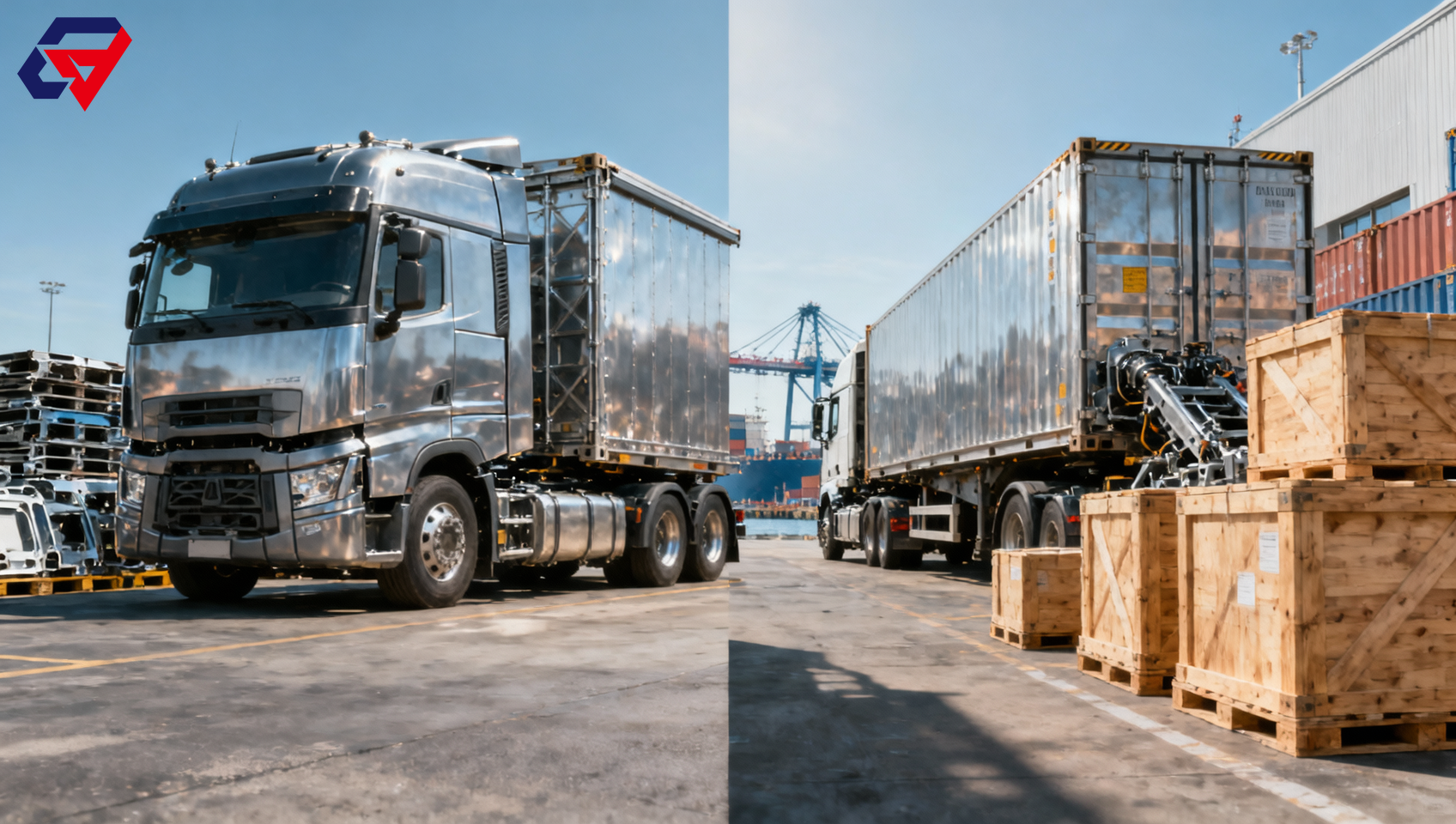
On June 4, 2026, the Canada Border Services Agency (CBSA) issued a final anti-dumping and countervailing ruling on truck bodies originating in China, turning this case from a trade investigation into an immediate compliance and purchasing issue for the heavy-duty vehicle and special-purpose body chain. The decision matters not only for exporters of truck-mounted bodies and components, but also for Canadian buyers, supply chain coordinators, and delivery planning teams that now need to reassess import cost exposure, sourcing timing, and documentation alignment ahead of the next injury decision stage.

What the ruling confirms at this stage
The confirmed facts are limited but commercially important. According to the provided event summary, on June 4, 2026, the CBSA made final anti-dumping and anti-subsidy determinations covering truck bodies from China. Other Chinese exporters face an anti-dumping duty rate of 257.1%, while CIMC Qingdao faces 119.4%, and countervailing duties also apply.
The products involved include various truck bodies and components used for heavy truck modification and special-purpose vehicle applications, including goods classified under HS code 8707.90.90 and related categories referenced in the summary. The case directly affects the supply chain for Chinese heavy truck upper bodies, special operation vehicles, and export-oriented special-purpose vehicles.
The summary also states that the ruling is expected to significantly raise import costs in Canada, alter the pace of procurement decisions, and lead into a subsequent Canadian International Trade Tribunal (CITT) industry injury final ruling before July 3.
Where the pressure is likely to appear first
Export contracts now face a sharper trade-compliance test
From an industry perspective, exporters of truck bodies, mounted equipment structures, and related components are likely to feel the impact first because the ruling directly changes the landed-cost equation for the Canadian market. The main pressure points are likely to include product scope review, customer quotation validity, contract pricing assumptions, and shipment planning for products that may fall within the covered HS classification or adjacent body-and-component configurations.
What deserves closer attention is whether existing export documents, technical descriptions, and product declarations consistently match the product scope referenced in the case. Even where no new certification rule is described in the provided information, trade documents and customs-facing product definitions become more sensitive under a final duty ruling.
Canadian buyers may adjust procurement timing and supplier choices
For importers and procurement teams, the most immediate issue is not only higher duty exposure but also a change in purchasing rhythm. Analysis shows that when a final duty outcome sharply increases import cost, buyers often need to revisit sourcing sequences, budget assumptions, and whether previously acceptable import programs remain commercially workable under the new duty burden.
The relevant business links here include tender preparation, supplier comparison, purchase order timing, and delivery coordination. Buyers and channel participants should pay closer attention to product classification consistency, supplier-origin declarations, and whether technical bid documents clearly define the body type and component scope being purchased.
Supply chain and delivery coordination become more exposed
Supply chain service providers, integrators, and downstream delivery teams may also be affected because the products involved are tied to heavy truck upfitting and special-purpose vehicle assembly. Where projects depend on imported bodies or body components, any change in customs cost treatment can influence shipment scheduling, inventory decisions, and handover planning.
Observably, the issue is not limited to customs duty itself. It also touches the coordination between manufacturing completion, export release, import entry, and final delivery commitments, especially where multiple body components are supplied into one vehicle build or special-purpose equipment package.
Practical points companies should track now
Recheck product scope and customs-facing descriptions
Analysis shows that companies should first verify whether their products fall within the truck body and component scope described in the case summary, including the referenced HS code category. This is less about broad market interpretation and more about ensuring that contracts, packing lists, technical sheets, and customs declarations use consistent product descriptions.
Watch the next official step rather than assuming the case is fully settled
It is more appropriate to understand this as an important landed change in the trade process, but not necessarily the end of all case-related developments. The summary explicitly notes a subsequent CITT injury final ruling expected before July 3, so companies should continue monitoring the official process rather than treating the current stage as the final market outcome in every practical sense.
Review procurement and delivery commitments tied to Canada
Exporters, buyers, and project teams should also review orders, quotations, and delivery schedules linked to Canada-based demand. What deserves closer attention is whether current lead times, cost commitments, and supply arrangements were built on assumptions that no longer hold once anti-dumping and countervailing duties are applied.
Prepare supporting records for trade, quality, and after-sales coordination
Even though the provided information does not specify new technical certification requirements, companies involved in the affected supply chain should keep product specifications, transaction documents, and traceability records in order. This matters because trade risk, delivery disputes, and after-sales responsibility can become more sensitive when duty treatment changes the economics of the imported product.
Why this should be read as both a landed change and an ongoing signal
Observably, this development is more than a headline trade action because it converts regulatory risk into an operating issue for a defined group of truck body and special-vehicle products. At the same time, it should not be overstated as a complete market conclusion. The current stage is best read as a rule implementation signal with direct cost consequences, while the following injury determination and the market's response still require close observation.
From an industry perspective, the most important point is that the effect spreads across pricing, sourcing, document control, and delivery coordination at the same time. That is why this case deserves attention from commercial, compliance, and supply chain teams rather than only from legal or customs functions.
How to interpret the development at this point
The rational takeaway is that the Canadian ruling has already created a concrete trade-compliance and cost change for truck bodies from China, especially for heavy-duty and special-purpose vehicle supply chains tied to export business. It is more appropriate to understand this event as an already landed trade measure with immediate operational implications, while the full market effect, purchasing response, and subsequent official process still need to be watched carefully.
Basis of this article and what still needs verification
This article is generated solely from the user-provided news title, event date, and event summary. For events of this type, relevant source categories typically include official notices, regulator releases, customs or trade authority information, industry association updates, standard-setting documents, and reporting by established business media.
No specific official source link was provided in the input, so the exact official publication path still requires follow-up verification. Further observation is also needed on detailed implementation language, any clarification of scope or enforcement approach, tender document changes, market feedback, and how affected companies adjust execution in practice.
NAVIGATION
Send Us A Message