



News
Explore what’s going on around the industry and get the latest from the world of heavy equipment and earth-moving.
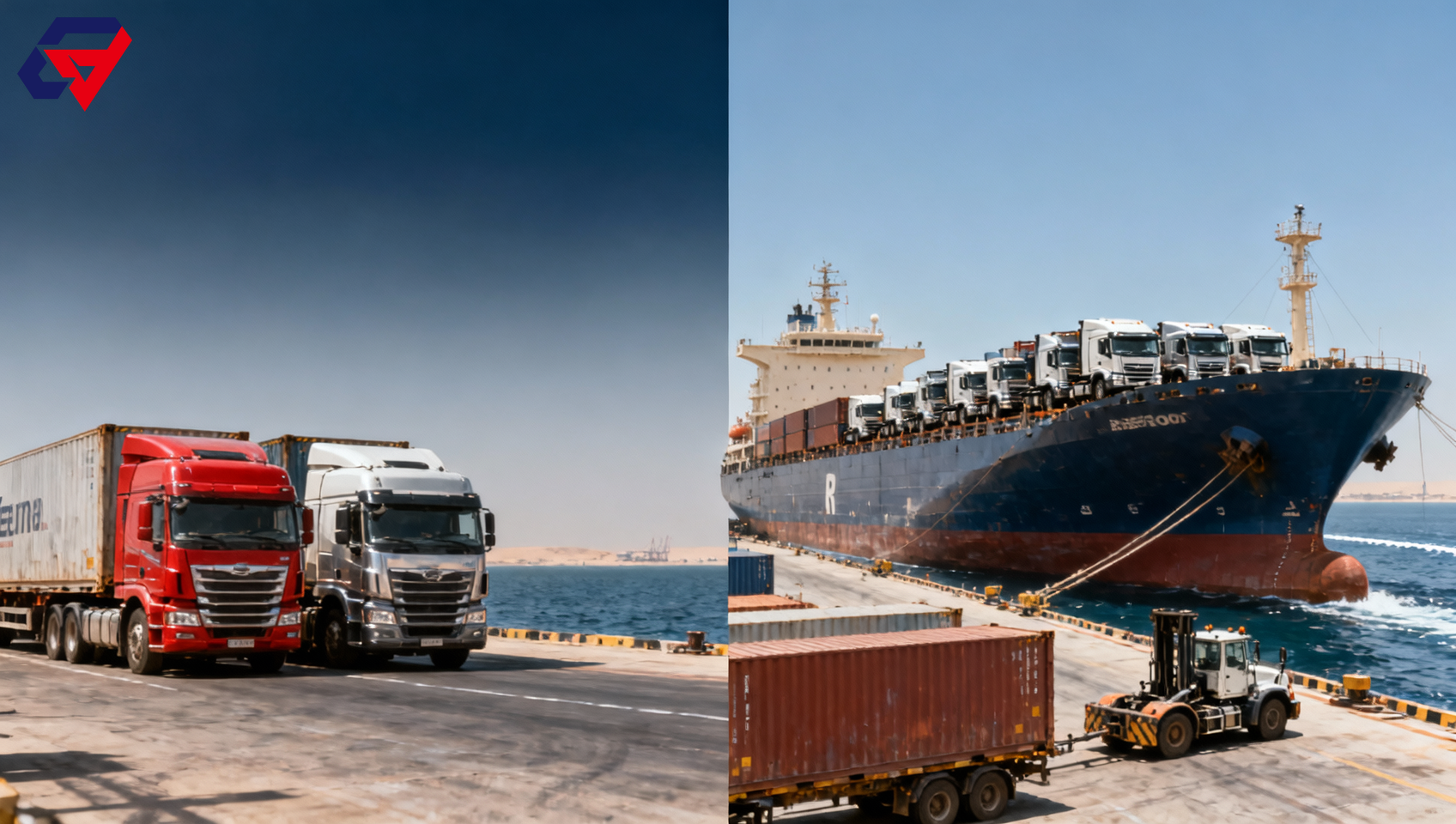
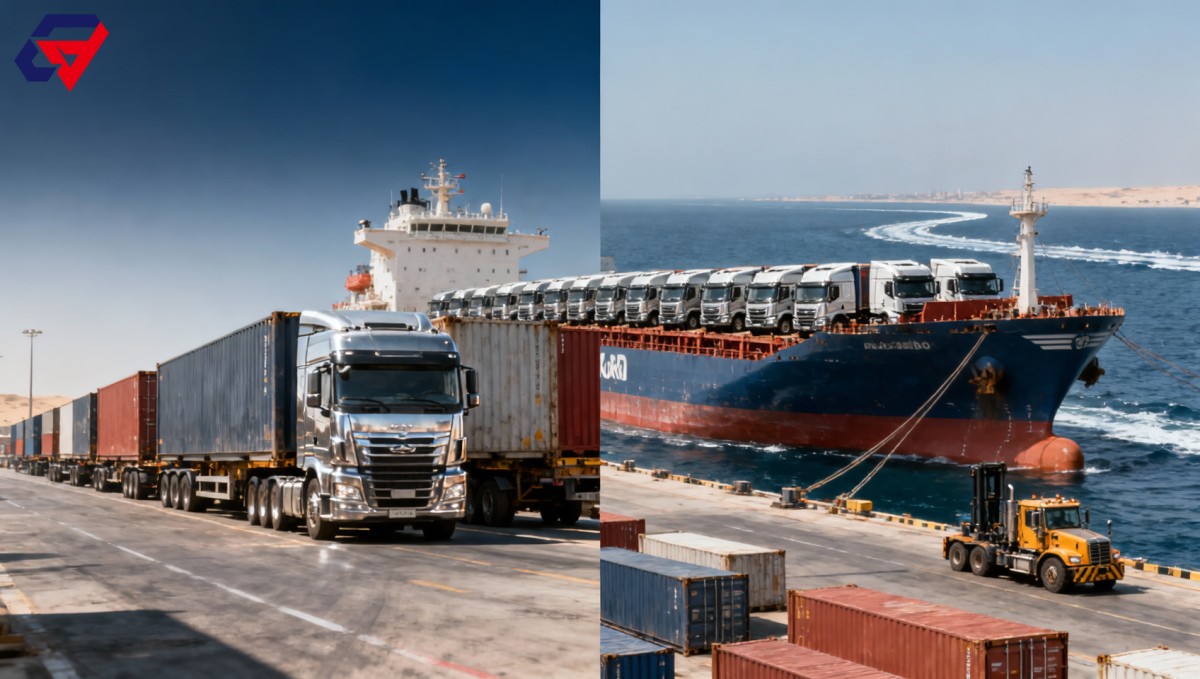
On June 26, 2026, the latest changes on China-Europe heavy-truck RoRo shipping routes signaled more than a freight adjustment. Following continued attacks by Houthi forces, major operators including Maersk and Grimaldi raised spot freight rates by 47% on routes linking Shanghai and Tianjin with Port Said and Zeebrugge, while also activating Cape of Good Hope diversion sailings. For truck exporters, buyers, logistics providers, and after-sales support teams, the issue is no longer only transport cost; it now touches delivery commitments, routing compliance, customs timing in transit arrangements, and the practical reliability of export execution.
What Has Been Confirmed on the Route Change
The confirmed facts are limited but commercially significant. On June 26, 2026, major RoRo carriers including Maersk and Grimaldi announced a 47% increase in spot freight rates for China-Europe heavy-truck export routes covering Shanghai/Tianjin to Port Said in Egypt and Zeebrugge in Belgium.
At the same time, the carriers activated backup voyages routed around the Cape of Good Hope. Based on the information provided, this routing change extends average delivery cycles by 18 to 22 days.
The same event summary also states that multiple Chinese heavy-truck OEMs have already launched contingency plans involving transit warehouses in Southeast Asia. However, customs clearance timing in Vietnam and Thailand has become more volatile.
Where the Pressure Will Be Felt First
Export execution is becoming less predictable for vehicle manufacturers
From an industry perspective, heavy-truck exporters are likely to feel the impact first because freight cost and transit time now move together. The immediate pressure is on shipment planning, delivery promises, and export scheduling for completed vehicles. What deserves closer attention is whether existing commercial documents, delivery clauses, and customer timelines still match the revised shipping reality.
Analysis shows that where a Southeast Asia transit-warehouse plan is being used, exporters also need to pay closer attention to customs timing risk in the local market, because fluctuating clearance efficiency can affect onward delivery and the validity of internal dispatch assumptions.
Procurement and sales teams may need to revisit delivery-linked commitments
For procurement functions and overseas buyers, the key issue is not only a higher freight quote but also a longer and less stable order-to-delivery window. This can affect acceptance planning, fleet deployment schedules, and any contract terms tied to shipment or arrival timing.
Observably, teams handling tenders, framework orders, or customer delivery promises should re-check whether transport assumptions embedded in quotations, supply schedules, and handover milestones remain realistic under the new route arrangement.
Logistics and customs service providers face a tighter coordination burden
Supply-chain service providers are likely to face more operational complexity because the event combines three moving parts: higher spot rates, rerouted sailings, and unstable customs timing in Southeast Asian transit points. The practical effect is a greater need to coordinate vessel plans, transfer windows, port handling, and customs documentation with less margin for delay.
Analysis shows that any business using intermediate warehousing or transshipment should pay particular attention to document consistency and handoff timing, since customs efficiency volatility can turn a contingency route into a new bottleneck.
After-sales and service readiness may be affected downstream
For after-sales teams and distributors, a delayed vehicle arrival can influence launch timing, service preparation, and spare-parts sequencing. This is not yet evidence of a confirmed service disruption, but it is a practical risk signal for businesses whose support obligations begin immediately after vehicle delivery or commissioning.
What Companies Should Review Now
Check whether delivery documents still reflect actual transport conditions
Analysis shows that exporters and buyers should review whether shipping schedules, delivery commitments, and route-related assumptions in contracts, order confirmations, and internal planning documents still align with the announced diversion and longer transit cycle. This is especially relevant where customer acceptance or payment timing depends on shipment milestones.
Reassess transit-warehouse arrangements and customs exposure
Where Southeast Asia transit warehousing is being used as a contingency measure, what deserves closer attention is the customs side of execution. The provided information already indicates more volatile clearance timing in Vietnam and Thailand, so companies should watch whether local procedures, submission timing, and document readiness remain workable under tighter schedules. The available facts do not show a settled execution outcome, so this remains an area requiring close monitoring rather than a concluded adjustment.
Prepare for procurement and production schedule knock-on effects
Observably, longer lead times may require updates to procurement timing, finished-vehicle release plans, and customer communication cadence. For companies with export programs tied to fixed shipment windows, the immediate task is to test whether current planning still holds after an 18 to 22 day extension in average delivery time.
Track customer-facing compliance and traceability requirements
From an industry perspective, any change in route, transfer pattern, or delivery timing can create follow-up questions from buyers about shipment records, handover status, and traceability. Companies should therefore keep transport records, customs files, and delivery documentation organized in case customers, partners, or internal compliance teams request updated proof of movement and timing.
How This Signal Should Be Read
Analysis shows that this development is better understood as an execution signal rather than a standalone freight event. The confirmed changes already affect route design, delivery timing, and contingency logistics decisions. That means the issue has moved beyond market sentiment and into day-to-day export operations.
At the same time, it is more appropriate to understand this as a fluid trade and logistics adjustment rather than a fully settled new rule environment. The available information confirms carrier action and enterprise contingency responses, but it does not yet establish a stable operating baseline for transit customs performance or long-term routing practice. Continued observation is still necessary.
What This Means for the Market Right Now
The significance of this event lies in its practical effect on the heavy-truck export chain: freight pricing, route choice, transit timing, and customs reliability are now interacting at the same time. For market participants, the most reasonable reading is that a real operating change has already occurred, while the broader execution framework around transit arrangements and delivery stability remains under observation.
In that sense, the event should be treated neither as a routine shipping fluctuation nor as a completed rule reset. It is a live operating signal that requires closer attention to trade execution, document control, and delivery planning across the export chain.
Basis of This Article
This article is generated from the user-provided news title, event date, and event summary. The analysis is based only on the confirmed information supplied in the input and does not add unverified figures, institutions, policy numbers, or external conclusions.
For events of this type, source categories typically relevant to later verification may include carrier announcements, regulatory releases, customs or trade authority information, industry association notices, standards-related documents, and reporting by authoritative media. A specific official source link was not provided in the input, so further verification is still required.
What still needs continued observation includes later policy wording if any emerges, customs execution practice in transit locations, buyer and tender-document adjustments, market feedback, and how affected companies implement their contingency measures in actual delivery operations.
NAVIGATION
Send Us A Message