



News
Explore what’s going on around the industry and get the latest from the world of heavy equipment and earth-moving.
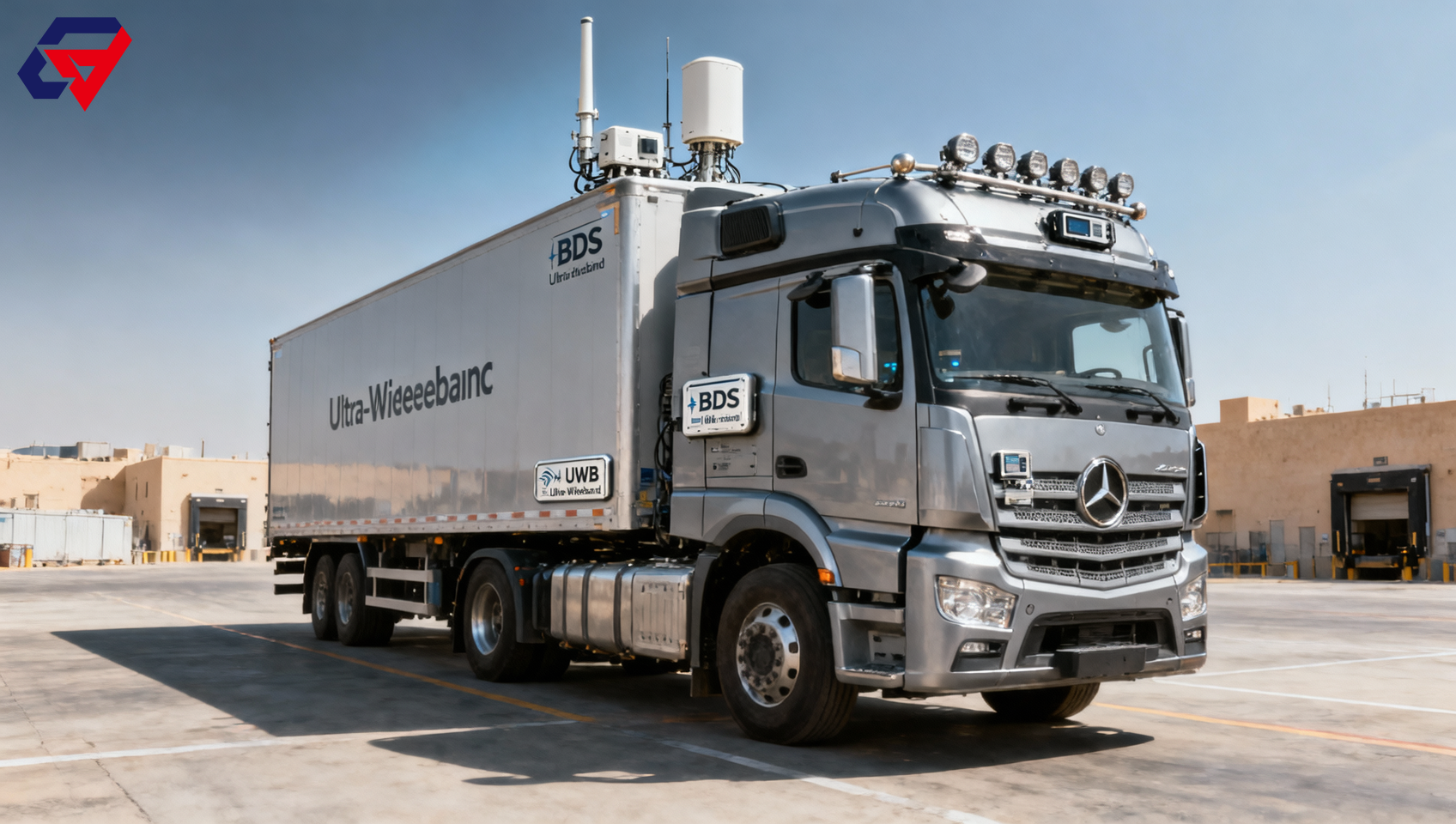
Saudi Arabia’s new regulatory requirement — mandating北斗 (BeiDou Navigation Satellite System, BDS) and Ultra-Wideband (UWB) dual-mode positioning systems for imported heavy-duty trucks — takes effect on 1 June 2026. Announced by the Saudi Standards, Metrology and Quality Organization (SASO) on 20 May 2026, the rule introduces a significant compliance threshold for Chinese exporters and global OEMs supplying to the Kingdom’s logistics and construction sectors. The move reflects Saudi Arabia’s broader push toward intelligent transport infrastructure and national supply chain visibility under Vision 2030, directly impacting certification pathways, vehicle electronics integration, and cross-border data interoperability.
Event Overview
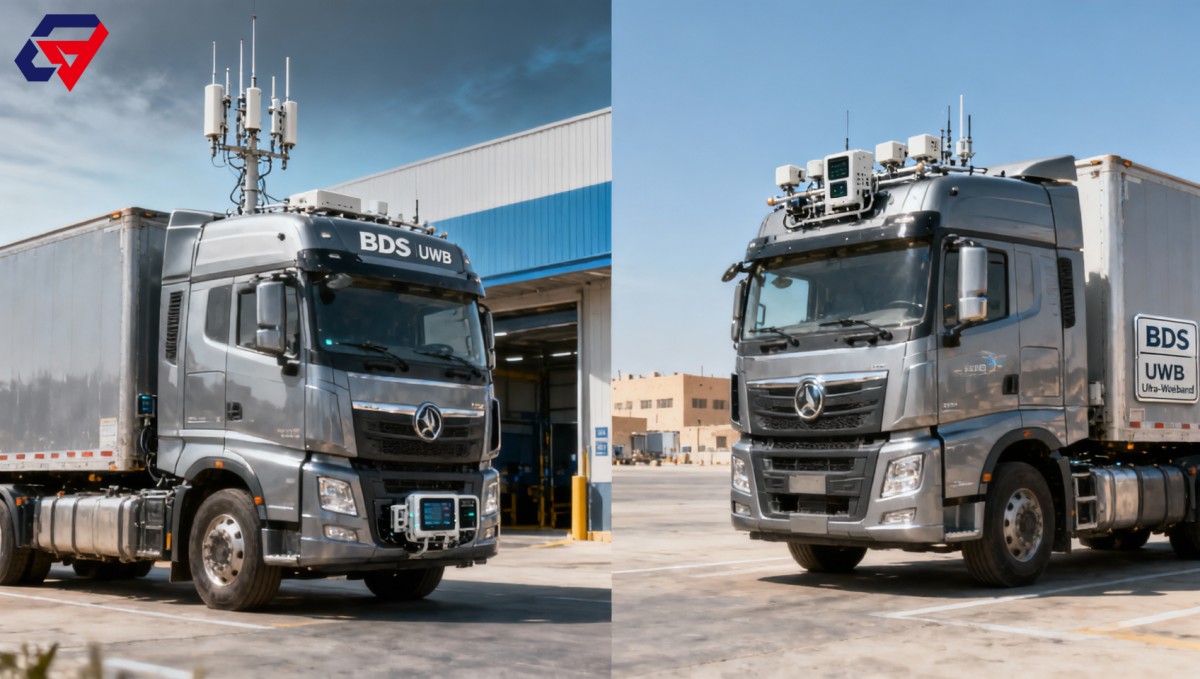
On 20 May 2026, SASO officially published the Technical Specification for Intelligent Connected Access of Heavy Commercial Vehicles (SASO ICS-782:2026). Effective 1 June 2026, all newly certified heavy-duty trucks imported into Saudi Arabia must be pre-equipped with integrated BeiDou Navigation Satellite System (BDS) and Ultra-Wideband (UWB) high-precision positioning modules — supporting both outdoor GNSS and indoor/yard-level localization. Vehicles must also connect via standardized APIs to Saudi Arabia’s National Logistics Monitoring Platform. Non-compliant models will be denied Certificate of Conformity (CoC), halting market entry. As of publication, only six Chinese manufacturers — Sinotruk, Shaanxi Automobile Group, Foton Motor, among others — have completed initial model registration and interface adaptation.
Industries Affected
Direct Exporters (OEMs & Trading Companies)
Export-oriented heavy truck manufacturers and trading firms face immediate certification risk: failure to complete SASO type approval — including hardware validation, firmware signing, and cloud API integration — before 1 June 2026 results in CoC denial and shipment suspension. Impact manifests in delayed order fulfillment, increased homologation costs (estimated +12–18% per model), and potential contract renegotiation with Saudi distributors. Notably, smaller exporters lacking in-house telematics development capacity are disproportionately affected.
Raw Material & Component Suppliers
Suppliers of GNSS modules, UWB transceivers, secure MCU units, and automotive-grade cellular communication chips face revised demand signals. While overall component volume may rise, requirements now emphasize SASO-certified BDS-UWB fusion modules (not standalone GPS or GLONASS), driving qualification cycles for Tier-2 suppliers. Those without existing SASO-accredited test reports or local representation risk being excluded from approved BOM lists of compliant OEMs.
Vehicle Assembly & Electronics Integration Manufacturers
Domestic chassis integrators and telematics system integrators must adapt wiring harnesses, CAN bus configurations, and OTA update architectures to meet SASO ICS-782:2026’s functional safety and cybersecurity clauses (e.g., ISO/SAE 21434 alignment, mandatory firmware signature verification). This extends production lead times by 4–6 weeks per model and requires revalidation of ECU calibration logs — particularly for engine control and telematics gateways interfacing with the national platform.
Logistics & Certification Support Service Providers
Third-party testing labs, SASO-accredited conformity assessment bodies, and cloud platform enablers (e.g., those offering Saudi-localized IoT data hosting) see rising demand for BDS-UWB co-validation services and API gateway certification. However, service providers lacking bilingual technical documentation (Arabic/English), Saudi data residency infrastructure, or experience with SASO’s new ‘digital twin’ submission portal face competitive disadvantage. Lead time for full CoC issuance has extended from 8 to 14 weeks on average.
Key Focus Areas and Recommended Actions
Complete SASO Type Approval Before 1 June 2026
Manufacturers must submit full technical dossiers — including hardware schematics, BDS/UWB module datasheets, cryptographic key management protocols, and API conformance test reports — to SASO-accredited bodies no later than 15 May 2026 to avoid clearance delays. Late submissions will be rolled into the next review cycle, risking Q3 2026 delivery windows.
Validate Data Interface Compatibility with Saudi National Logistics Platform
The regulation mandates real-time transmission of location, ignition status, cargo weight, and geofence events via TLS 1.3-secured RESTful APIs. Exporters must confirm their telematics platform supports Arabic-language metadata fields, UTC+3 timestamping, and payload compression per SASO ICS-782 Annex D. Third-party middleware solutions require explicit SASO pre-approval — generic MQTT-to-HTTP bridges are insufficient.
Secure Localized Cloud Hosting and Data Residency Compliance
All positioning and operational data generated in Saudi Arabia must be stored and processed within nationally approved cloud infrastructure (e.g., STC Cloud or AWS Middle East – Bahrain Region, with contractual data sovereignty clauses). Offshore-hosted platforms — even if encrypted — violate Article 4.2 of SASO ICS-782:2026 and invalidate CoC eligibility.
Editorial Perspective / Industry Observation
Observably, this is not merely a localization add-on but a strategic pivot toward sovereign digital infrastructure control. Unlike prior GNSS mandates (e.g., Russia’s GLONASS requirement), SASO ICS-782:2026 couples satellite navigation with ultra-precise short-range positioning — enabling automated yard management, drone-assisted inspection, and AI-driven fleet optimization. Analysis shows that the UWB mandate, in particular, signals Saudi Arabia’s intent to standardize centimeter-level accuracy across logistics nodes — a capability previously reserved for pilot deployments. From an industry perspective, this regulation is better understood as a de facto entry barrier for legacy telematics providers rather than a simple compliance checkbox.
Conclusion
This regulation marks a structural shift in Gulf region automotive market access: intelligence, localization, and data sovereignty are now prerequisites — not differentiators. For Chinese heavy vehicle exporters, success hinges less on mechanical performance and more on embedded software readiness, regional cloud governance, and regulatory agility. A rational conclusion is that SASO ICS-782:2026 accelerates consolidation among mid-tier exporters while reinforcing the competitive advantage of vertically integrated OEMs with in-house connectivity stacks.
Source Attribution
Official source: Saudi Standards, Metrology and Quality Organization (SASO), Technical Specification SASO ICS-782:2026, published 20 May 2026. Full text available at www.saso.gov.sa (Arabic/English bilingual version released 22 May 2026).
Note: SASO has announced plans to extend similar requirements to medium-duty trucks and construction equipment by Q4 2027 — subject to public consultation currently open until 30 June 2026. This extension remains under observation.
NAVIGATION
Send Us A Message