



News
Explore what’s going on around the industry and get the latest from the world of heavy equipment and earth-moving.
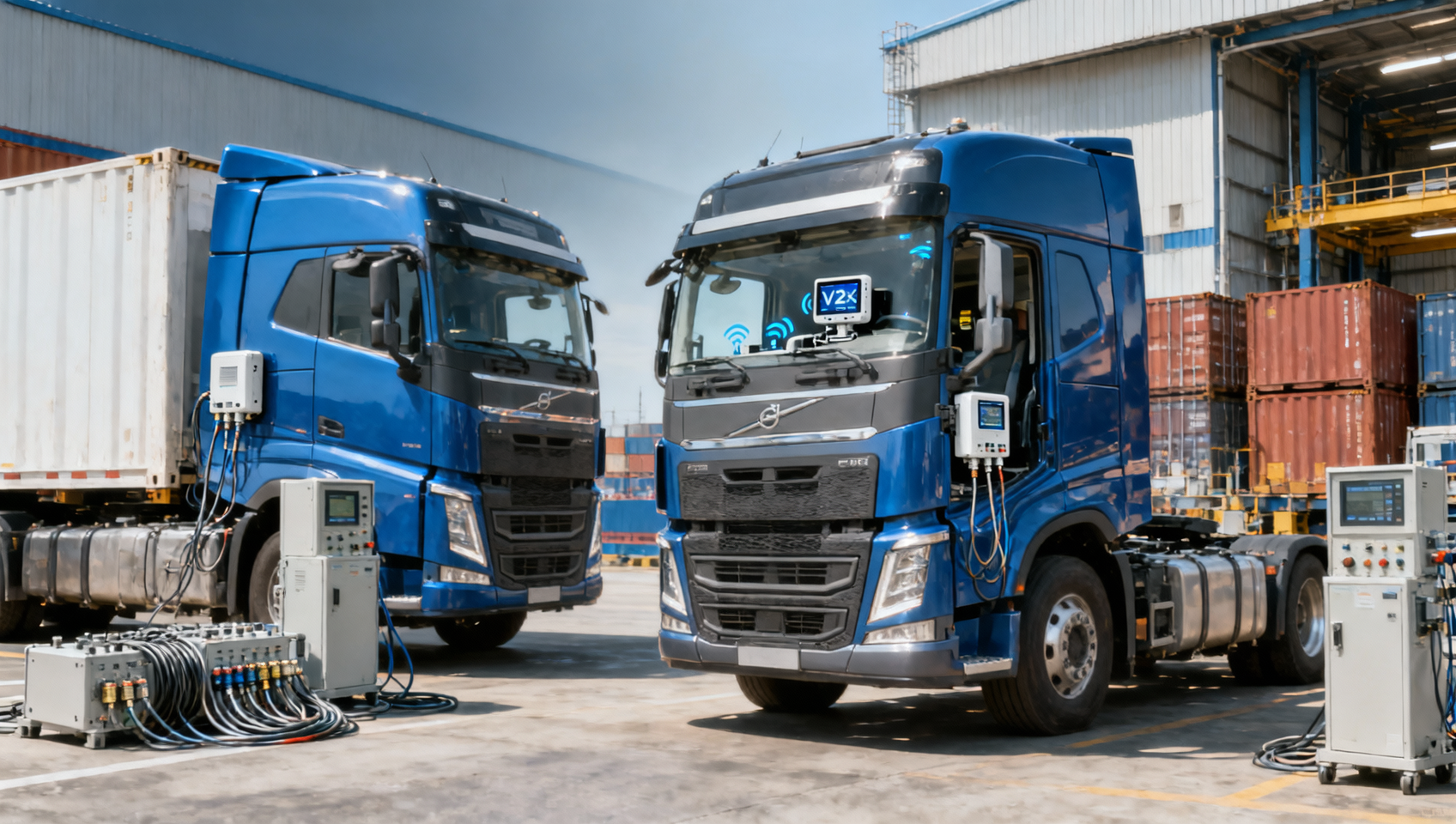
Effective August 1, 2026, Vietnam will require all newly imported heavy trucks weighing 12 tons or more to be fitted in advance with onboard terminals compliant with the country’s V2X communication protocol, QCVN 137:2026, and to pass testing by the local certification body VITC. For heavy truck exporters, OEM integrators, importers, and supply chain teams serving the Vietnam market, this is worth close attention because it directly touches product configuration, compliance timing, and per-unit cost.
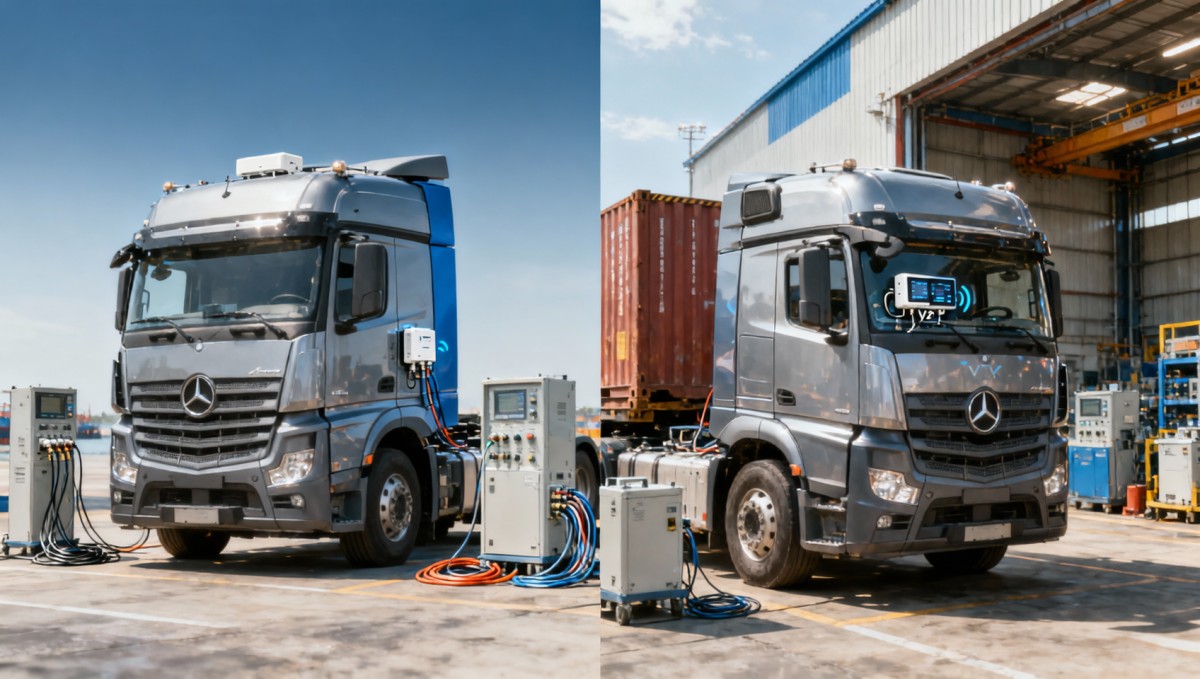
What the new rule specifically requires
According to the information provided, Vietnam’s Ministry of Industry and Trade and Ministry of Transport jointly issued Circular No. 12/2026/TT-BGTVT. The rule takes effect on August 1, 2026 and applies to all newly imported heavy trucks with a gross weight of at least 12 tons.
The requirement is twofold: the vehicles must be pre-installed with onboard terminals that comply with Vietnam’s V2X communication protocol under QCVN 137:2026, and those terminals must pass testing through the domestic certification body VITC.
The information provided also indicates that the rule is expected to affect OEM adaptation costs and delivery schedules for Chinese heavy truck exporters, with additional installation and certification costs estimated at US$850 to US$1,200 per vehicle.
Where the pressure is likely to appear in the value chain
Truck exporters face a configuration and timing issue
From an industry perspective, exporters shipping heavy trucks into Vietnam are the most directly affected. The requirement is not limited to paperwork; it concerns vehicle configuration before import. That means model planning, factory fitment, and shipment readiness may all need adjustment.
The main business impact is likely to show up in OEM adaptation work, certification preparation, and delivery lead time management. What deserves closer attention is whether existing export configurations for Vietnam can still move forward without modification after the rule takes effect.
Importers and distributors may need tighter delivery coordination
For importers and downstream distributors, the rule may create more coordination work between order placement, technical confirmation, and market entry timing. If a truck is required to arrive with compliant hardware already installed and locally tested, delivery planning may become more sensitive to certification sequencing and documentation readiness.
Observably, the issue is not only added cost but also whether delivery commitments can still match customer timelines once compliance steps are built into the process.
Certification and supporting service providers gain a larger operational role
The rule also brings local testing into the center of the import process through VITC. For service providers involved in certification support, technical adaptation, and import compliance handling, the practical effect may be an increase in workload around testing arrangements, conformity review, and communication between vehicle manufacturers and local authorities.
What deserves closer attention is how efficiently these steps can be integrated into normal delivery workflows, since timing friction may matter as much as direct cost.
What companies should focus on now
Check model scope against the 12-ton threshold
Companies selling into Vietnam should first verify which imported truck models fall within the stated threshold of 12 tons or above. This matters because the rule is defined by vehicle category and import status, and scope clarity will shape both compliance planning and customer communication.
Separate hardware installation from certification readiness
Analysis shows that pre-installing a compliant V2X terminal and passing local testing are related but distinct steps. Companies should avoid treating the addition of hardware alone as sufficient. In practical terms, the certification path through VITC is part of market readiness, not an optional follow-up.
Reassess quotations, lead times, and contract assumptions
Because the provided information points to an added cost of US$850 to US$1,200 per unit and possible pressure on delivery schedules, exporters and import-side partners should revisit quotations, shipping plans, and any timeline assumptions already shared with customers. The key issue is not only margin impact, but whether current delivery promises still reflect the compliance process required after August 1, 2026.
Keep watching for official wording and operational clarification
From a working-level perspective, companies should continue tracking any formal clarification tied to Circular No. 12/2026/TT-BGTVT, QCVN 137:2026, and VITC testing practice. Policy language and operational execution are not always identical, and the difference can matter in product preparation, documentation, and customer-facing commitments.
Why this reads as more than a short-term procedural change
Analysis shows that this development should not be read only as an added accessory requirement. It points to a stricter localization expectation in the compliance path for imported heavy trucks entering Vietnam, especially where onboard connectivity standards and domestic testing are involved.
At the same time, it is more appropriate to understand this as a confirmed regulatory change with further operational implications still worth watching. The rule itself is clear in the information provided, but its full business effect will depend on how manufacturers, importers, and service partners absorb the added configuration and certification steps into routine delivery.
How the market may need to frame this development
For the industry, the immediate meaning of this update is practical rather than symbolic: imported heavy trucks for Vietnam now face a more specific local compliance requirement tied to V2X equipment and testing. That has direct implications for cost control, schedule planning, and customer coordination.
Taking the current information on its own, this is best understood as a concrete regulatory shift with short-term operational impact and longer-term signaling value. It does not yet justify broad conclusions beyond the scope provided, but it clearly deserves continued attention from companies with active or planned heavy truck business in Vietnam.
Basis of this article
This article is based on the user-provided news title, event date, and event summary concerning Vietnam’s new requirement for localized V2X terminals on newly imported heavy trucks from August 1, 2026.
For this type of industry update, commonly relevant source categories may include official government notices, regulatory circulars, company disclosures, industry association updates, authoritative media reporting, and standard-setting documents. A specific official source link was not provided in the input, so the exact primary publication path still requires ongoing verification.
Further tracking should focus on any additional official clarification related to Circular No. 12/2026/TT-BGTVT, QCVN 137:2026, and the operational requirements for VITC testing, especially where these may affect compliance timing and delivery execution.
NAVIGATION
Send Us A Message