



News
Explore what’s going on around the industry and get the latest from the world of heavy equipment and earth-moving.
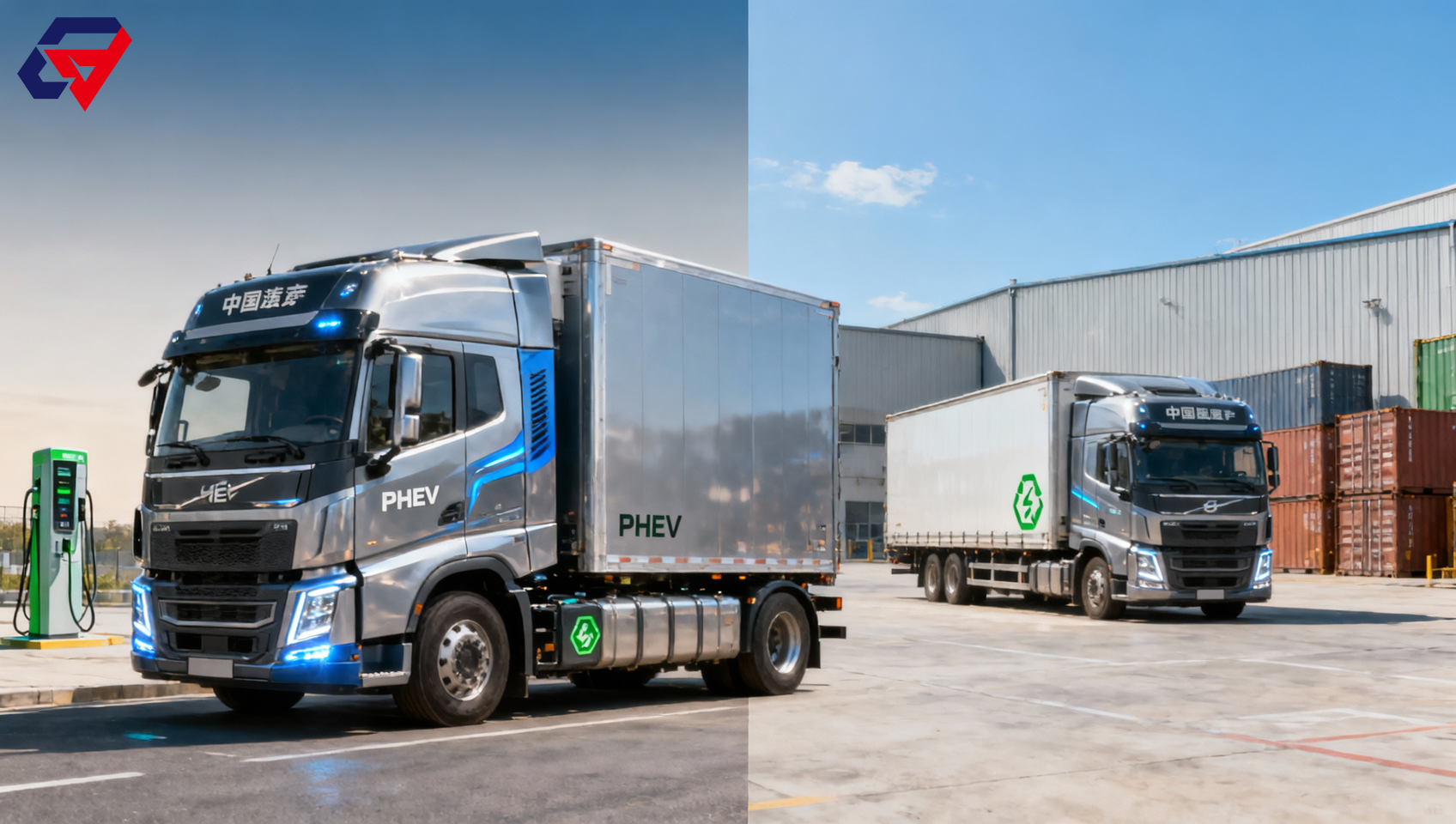
On May 23, 2026, European media reported that the European Commission is urgently reviewing a proposal to extend its existing anti-subsidy tariff regime — currently applied to Chinese battery electric vehicles (BEVs) at rates of 7.8%–35.3% — to hybrid electric heavy-duty commercial vehicles, including plug-in hybrid electric heavy trucks. This development warrants close attention from exporters of commercial EVs and HEVs, EU importers and distributors, type-approval service providers, and supply chain stakeholders supporting cross-border mobility equipment trade.
Event Overview
As disclosed by European media on May 23, 2026, the European Commission is conducting an internal review to assess the feasibility of expanding its current anti-subsidy investigation framework — originally initiated for Chinese BEVs — to cover hybrid electric heavy-duty trucks. The proposal remains under discussion and has not yet been formalized into legislation or regulation. No official draft regulation, impact assessment, or timeline for implementation has been published.
Industries Affected
Direct Exporters of Hybrid Heavy-Duty Trucks
Chinese manufacturers exporting plug-in hybrid heavy trucks to the EU face potential tariff exposure if the extension proceeds. Their export pricing, margin structure, and contractual terms with EU partners may require immediate reassessment, as the current BEV-specific duties do not legally apply to hybrid models — but could be extended administratively or via regulatory reinterpretation.
EU-Based Importers and Distributors
Importers holding open orders or near-term delivery commitments for hybrid heavy trucks must evaluate compliance risk under evolving customs classification and subsidy attribution rules. Tariff applicability would directly affect landed cost, total cost of ownership (TCO) calculations for end buyers, and contract enforceability — particularly where pricing was negotiated pre-policy signal.
EU Type-Approval and Certification Service Providers
Third-party conformity assessment bodies and technical service organizations supporting EU Whole Vehicle Type Approval (EU WVTA) may see increased demand for rapid adaptation support — especially for hybrid powertrain configurations previously outside the scope of anti-subsidy scrutiny. Certification timelines and documentation requirements could tighten in anticipation of expanded oversight.
What Stakeholders Should Monitor and Do Now
Track Official Communications and Regulatory Signals
Monitor updates from the European Commission’s Directorate-General for Trade (DG TRADE) and the EU’s Official Journal for any formal notice of investigation expansion, consultation documents, or preliminary findings. A formal initiation would trigger procedural deadlines and stakeholder response windows.
Review Product Classification and Supply Chain Documentation
Verify current EU customs tariff codes (TARIC), vehicle classification under Regulation (EU) 2018/858, and subsidy-related origin tracing in procurement records — especially for battery, motor, and control system components. Hybrid models with shared platforms or supply chains with BEV variants may face heightened scrutiny regardless of final tariff status.
Distinguish Policy Signal from Enforceable Requirement
Treat the reported review as a regulatory early warning, not an imminent duty imposition. No legal obligation or binding measure exists at this stage. Business continuity planning should prioritize flexibility — e.g., modular certification strategies, dual-sourcing options for critical subsystems — rather than assuming tariff application.
Engage Early with Local Partners on Compliance Readiness
Initiate dialogue with EU-based importers, authorized representatives, and notified bodies to jointly map certification pathways, update technical documentation, and align on contingency timelines. Proactive alignment reduces delays if formal procedures begin before year-end 2026.
Editorial Observation / Industry Perspective
Observably, this development signals a broadening of the EU’s trade policy lens beyond pure battery-electric passenger vehicles toward electrified commercial transport — reflecting growing attention to lifecycle emissions, industrial policy coherence, and strategic autonomy in mobility infrastructure. Analysis shows the move is better understood as a preparatory step than a finalized decision: it reflects institutional capacity-building within DG TRADE and possible alignment with upcoming revisions to the EU’s Carbon Border Adjustment Mechanism (CBAM) scope. From an industry perspective, it underscores that regulatory convergence between environmental, trade, and industrial policy is accelerating — and that compliance readiness now requires integrated tracking across multiple regulatory domains, not just type approval or emissions standards.
Conclusion
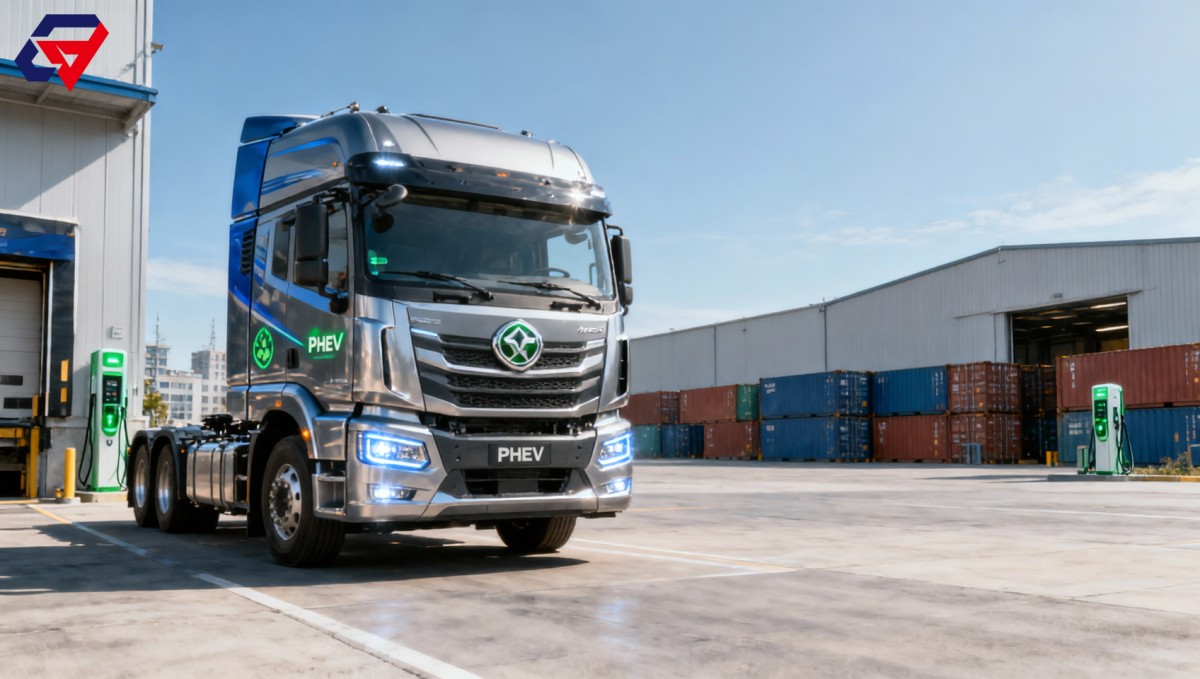
While no new tariff has been imposed, the reported review marks a material shift in the regulatory risk profile for Chinese hybrid heavy-duty truck exports to the EU. It highlights how trade instruments originally designed for one product category can evolve to cover adjacent technologies — especially where supply chains, R&D funding, and market positioning overlap. For stakeholders, this is best understood not as an immediate compliance deadline, but as a structural indicator of tightening policy coordination across sustainability, trade, and industrial strategy in the EU automotive sector.
Source Attribution
Main source: European media reports dated May 23, 2026.
Note: The Commission’s internal review remains unpublished and unconfirmed in official documents. Further developments — including potential public consultations, formal investigation launches, or regulatory proposals — remain subject to observation.
NAVIGATION
Send Us A Message