



News
Explore what’s going on around the industry and get the latest from the world of heavy equipment and earth-moving.
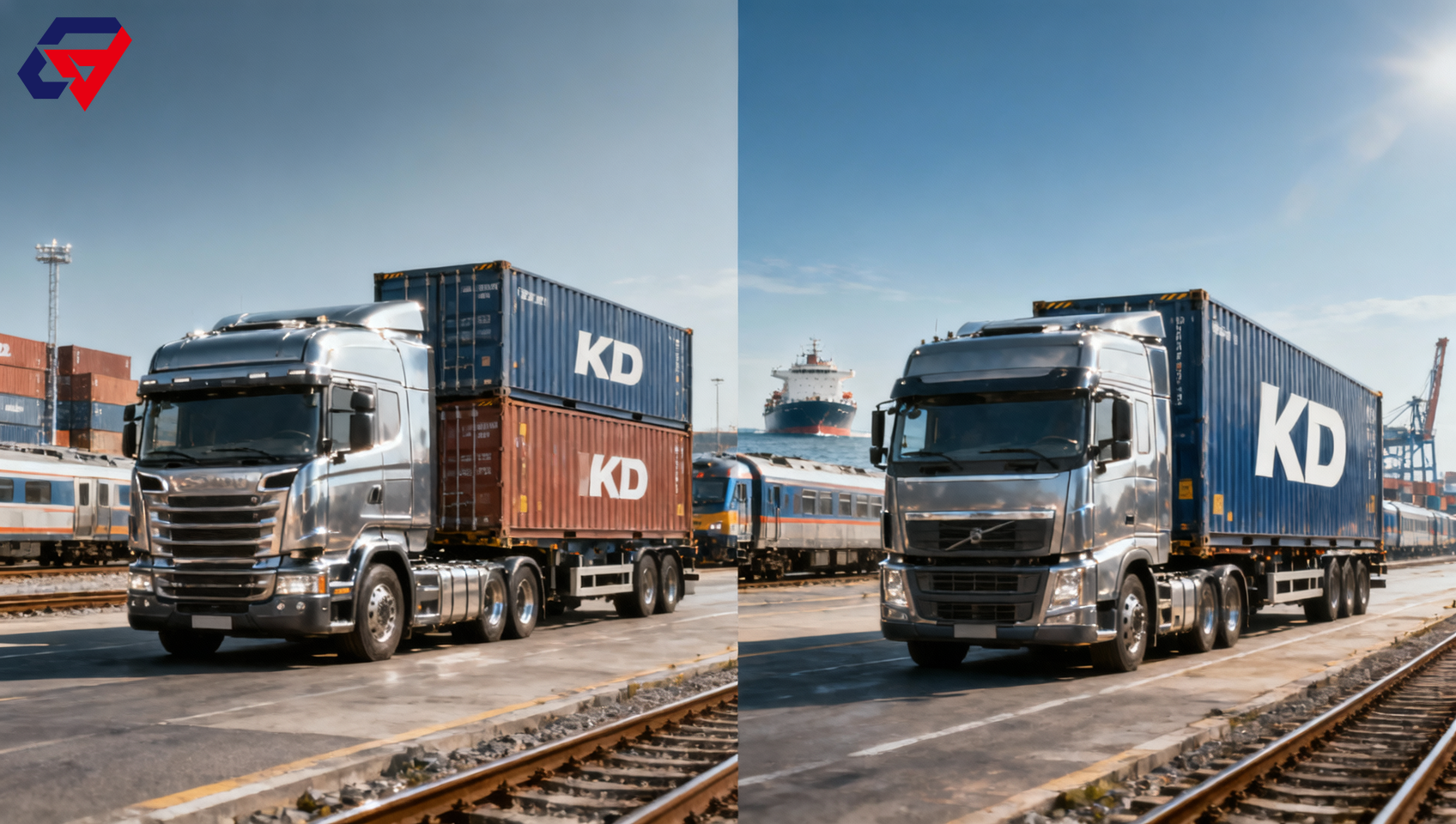
On June 9, 2026, a new multimodal transport supervision model entered nationwide pilot implementation across 45 cities, allowing companies to use a single application form for customs clearance across rail, road, inland waterway, and sea transport. For heavy truck exporters and KD shipment operators, the change matters because it removes repeated declarations and inspections at coastal ports, directly affecting inland-to-port coordination, delivery predictability, and the compliance handling expected by overseas distributors, engineering contractors, and rental fleet buyers.
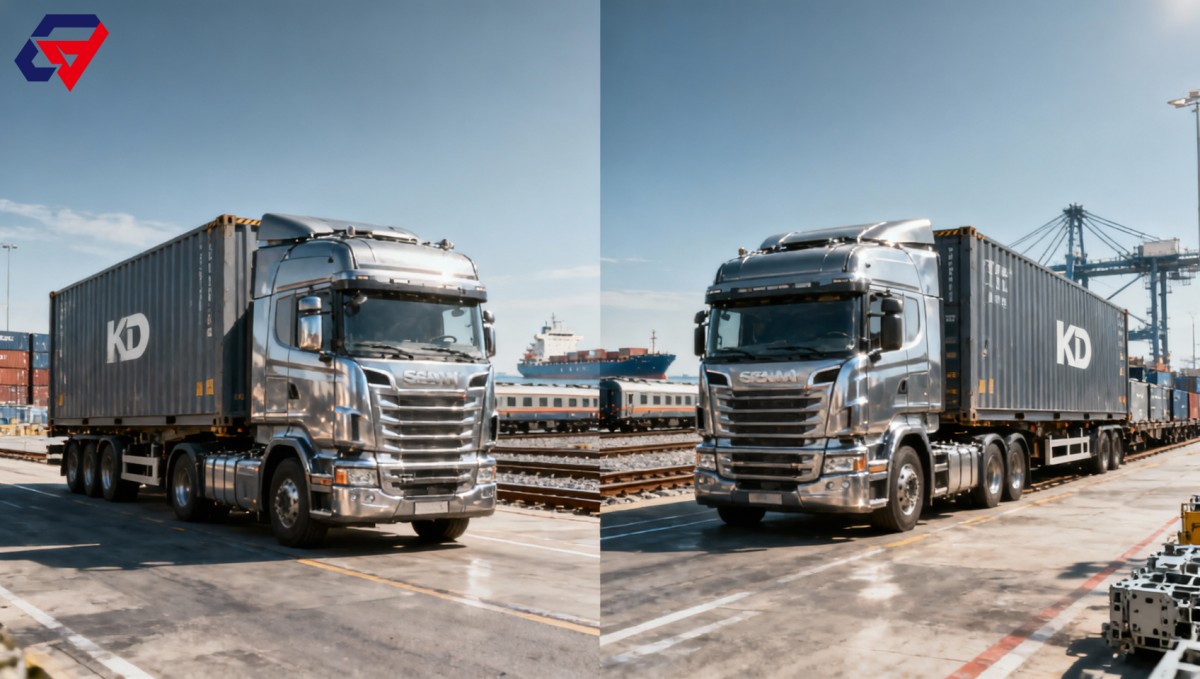
A clearer customs path across transport modes
According to the provided event summary, the General Administration of Customs and 24 departments announced on June 9, 2026 that the new multimodal supervision model would be fully piloted in 45 cities. Under this arrangement, enterprises can complete end-to-end customs procedures for combined rail, road, water, and sea transport with one multimodal transport application form. The same summary states that repeated declaration and inspection procedures at coastal ports are removed.
The confirmed information also indicates that this model significantly shortens the combined inland transport and port connection cycle for complete heavy truck exports and KD parts shipments. The stated result is a 30% improvement in logistics timeliness for heavy truck exports.
Where the rule change is most likely to be felt
Exporters working with fixed delivery windows
From an industry perspective, exporters of complete heavy trucks and KD kits are among the most directly affected parties because the new model changes how transport legs connect under customs supervision. The practical impact is likely to appear in shipment scheduling, port handover timing, document preparation, and coordination between inland dispatch and export release. What deserves closer attention is whether internal shipping documents, booking processes, and customs-facing paperwork are aligned with the single-form process during the pilot stage.
Overseas distributors, contractors, and rental buyers
Analysis shows that buyers relying on predictable delivery cycles may view this pilot as an execution-related improvement rather than only a logistics adjustment. For overseas distributors, engineering contractors, and rental companies, shortened inland-to-port processing can support more stable handover planning and reduce uncertainty around project deployment or fleet availability. At the same time, they still need to monitor whether contract delivery clauses, receiving schedules, and shipment milestone tracking reflect the revised clearance path.
Supply chain and logistics service providers
Observably, companies managing multimodal transport coordination may need to adapt their operating routines most visibly. The removal of repeated coastal port declaration and inspection can shift where document checks, cargo coordination, and timing control happen in the chain. This means service providers should pay close attention to application-form accuracy, handoff accountability across transport modes, and the consistency of shipment data used by different operators in the export process.
What companies should review now
Check document readiness against the single-form process
Analysis shows that the most immediate issue is not only faster movement, but whether exporters and logistics partners can organize shipment files around one multimodal application form without creating inconsistencies elsewhere. Enterprises should therefore review how customs-related documents, transport instructions, and internal approval records connect to the new process.
Watch for execution wording and local handling practice
It is more appropriate to understand this as an implemented pilot with clear policy direction, while still recognizing that day-to-day execution details may continue to evolve. Companies should closely track later official wording, local operating interpretations, and any updates affecting how the pilot is applied in the 45 cities.
Reassess delivery commitments for heavy trucks and KD cargo
For businesses serving time-sensitive overseas channels, procurement and delivery planning may need adjustment if transit coordination becomes more predictable. What deserves closer attention is not only whether lead times can be shortened, but also whether promised delivery windows, tender schedules, and after-sales support planning should be recalibrated to reflect the new clearance rhythm.
Keep traceability and compliance files aligned
Even when customs procedures become more streamlined, exporters should continue to maintain complete shipment traceability and product-related compliance files. Observably, any mismatch between cargo identity, shipment documents, and downstream contract requirements could still create execution risk, especially where multiple logistics parties and overseas delivery commitments are involved.
Why this looks like more than a procedural adjustment
Analysis shows that this development is best read as a concrete execution signal in trade facilitation rather than a theoretical policy statement. The change directly targets repeated declarations and inspections in multimodal export movement, which is why its relevance extends beyond customs administration into procurement timing, shipment planning, and cross-border delivery management.
At the same time, it would be premature to treat the pilot as a fully settled end-state for all operating scenarios. From an industry perspective, market participants still need to observe how detailed implementation, local coordination, and commercial practice adapt around the new supervision model.
How the market may best interpret this stage
A rational reading of this event is that the pilot has already created a meaningful operational signal for heavy truck and KD export logistics, especially where inland transport and port linkage previously created avoidable delays. The confirmed facts support attention to efficiency and delivery certainty, but the broader market impact should still be assessed through execution outcomes, follow-up guidance, and industry feedback rather than assumed in advance.
Basis of this article and what still needs verification
This article is generated from the user-provided news title, event date, and event summary. For events of this type, relevant source categories usually include official notices, releases from regulatory authorities, customs or trade administration updates, industry association information, standards-related documents, and reporting by established business media.
No specific official source link was provided in the input, so the exact official publication path still needs to be verified on an ongoing basis. What also requires continued observation includes any further policy detail, implementation interpretation, certification-related execution implications, tender document adjustments, market feedback, and how companies apply the pilot in real operating conditions.
NAVIGATION
Send Us A Message