



News
Explore what’s going on around the industry and get the latest from the world of heavy equipment and earth-moving.
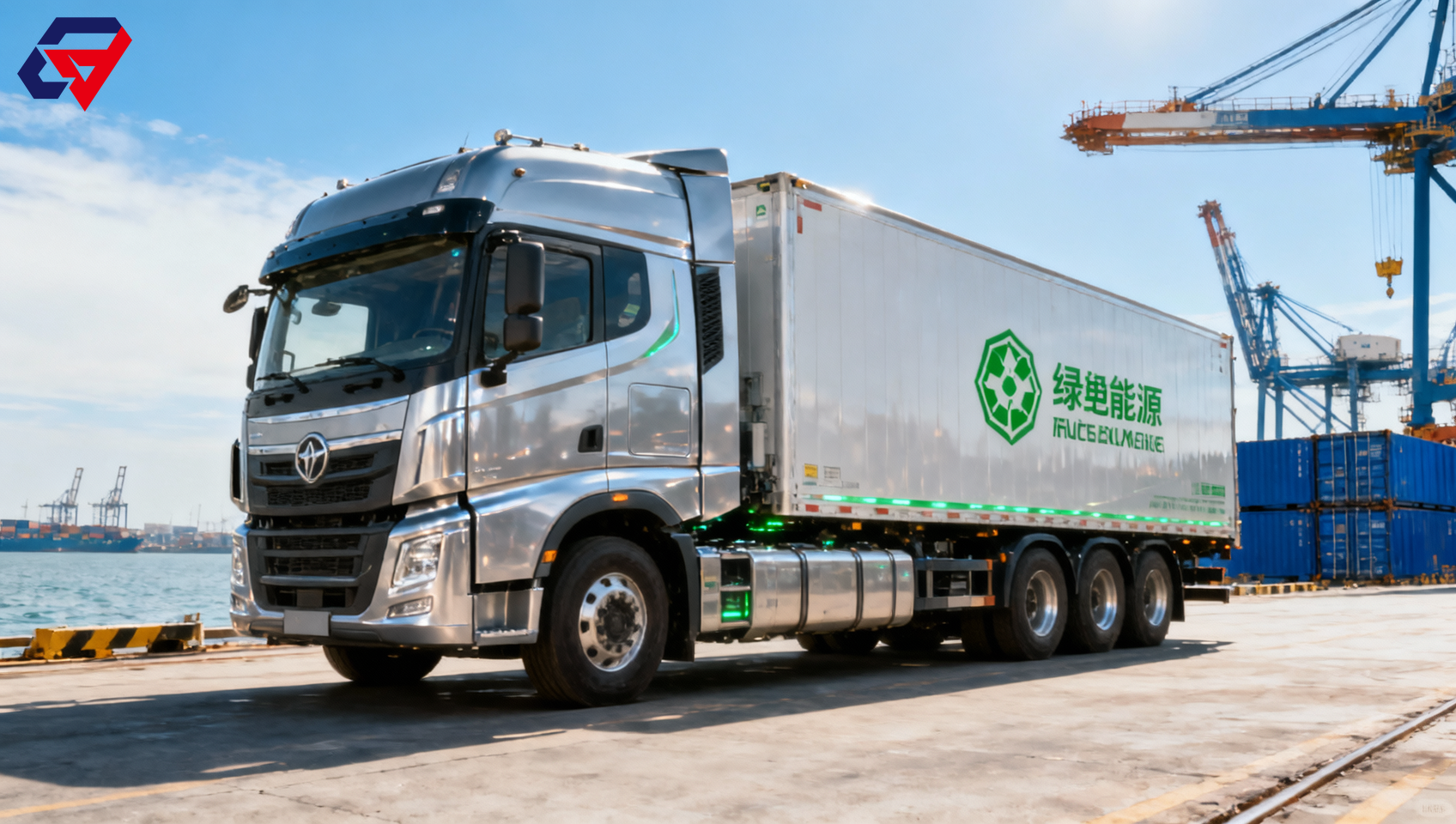
Starting April 23, 2026, China Customs has piloted a ‘Green Clearance Code’ mechanism for exports of new-energy heavy-duty trucks—including battery-electric, hydrogen fuel-cell, and natural gas-powered models—at 12 key ports nationwide. This initiative directly impacts international trade logistics, cross-border supply chain coordination, and OEM/export-oriented manufacturing stakeholders serving emerging markets such as the Middle East and Southeast Asia.
Event Overview
On April 23, 2026, the General Administration of Customs of the People’s Republic of China began piloting the ‘Green Clearance Code’ system for new-energy heavy-duty trucks at 12 designated ports. Under this mechanism, exporters pre-submit verified data—including vehicle identification number (VIN), battery pack serial number, and carbon footprint report—via an official platform; the system then automatically validates the information and issues a digital clearance code. As a result, average customs inspection time for eligible vehicles has been reduced from three days to no more than four hours.
Industries Affected
Direct Exporters and OEMs
Export-oriented heavy-truck manufacturers and integrated OEMs face immediate operational implications: eligibility for the Green Clearance Code depends on accurate, standardized submission of VINs and battery-level traceability data. Delays or inconsistencies in documentation may disqualify shipments from expedited processing, affecting delivery schedules—especially for time-sensitive bulk orders in the Middle East and Southeast Asia.
Supply Chain Service Providers
Firms offering customs brokerage, logistics coordination, or compliance support must now integrate VIN- and battery-data validation into pre-departure workflows. The shift from physical document review to automated digital verification increases reliance on interoperable ERP and customs declaration systems—and raises the bar for data readiness across client portfolios.
Aftermarket & Distribution Networks Abroad
Overseas distributors—particularly those managing inventory for rapid fleet deployment—benefit from improved delivery predictability. Shorter clearance windows reduce port dwell time and lower demurrage risk, supporting just-in-time replenishment strategies in markets where infrastructure rollout is accelerating alongside EV adoption.
What Enterprises and Practitioners Should Monitor and Act On
Track official expansion timelines and scope adjustments
Currently limited to 12 ports and three powertrain types (battery-electric, hydrogen fuel-cell, natural gas), the pilot’s geographic and technical coverage may broaden. Stakeholders should monitor announcements from China Customs for updates on additional ports, vehicle categories (e.g., medium-duty or chassis-cab variants), or data requirements beyond VIN and battery coding.
Verify and standardize carbon footprint reporting protocols
The inclusion of carbon footprint reports as a mandatory input signals tightening alignment with international environmental compliance expectations. Exporters should confirm whether third-party certification is required—and whether domestic standards (e.g., GB/T 37498) are accepted, or if ISO 14067 or PAS 2050 equivalents are preferred.
Distinguish between policy signal and operational readiness
The Green Clearance Code is a pilot—not yet a nationwide mandate. Its current implementation reflects procedural optimization rather than regulatory overhaul. Companies should assess internal data governance maturity before assuming scalability; early adopters may gain insight, but broad rollout depends on system stability and inter-agency integration (e.g., with MIIT or the Ministry of Ecology and Environment).
Prepare upstream data collection and validation workflows
Since VIN and battery pack encoding must be submitted prior to inspection, manufacturers and Tier-1 suppliers should ensure traceability systems capture and export these identifiers in machine-readable formats (e.g., JSON or XML). Manual entry or fragmented database storage may introduce latency or error—undermining eligibility despite product eligibility.
Editorial Perspective / Industry Observation
From an industry perspective, the Green Clearance Code is best understood not as a standalone regulatory change, but as an early-stage infrastructure signal: it reveals how Chinese customs authorities are beginning to layer environmental and digital traceability criteria into trade facilitation tools. Analysis来看, this mechanism prioritizes verifiability over volume—rewarding exporters who already maintain granular, auditable production and sustainability data. Observation来看, its design suggests growing convergence between trade policy and low-carbon transition agendas, particularly for capital-intensive, export-dependent segments like commercial EVs. Current more appropriate interpretation is that it functions primarily as a process efficiency lever—not yet a market access gate—but one whose logic may extend to other green industrial goods in future pilots.
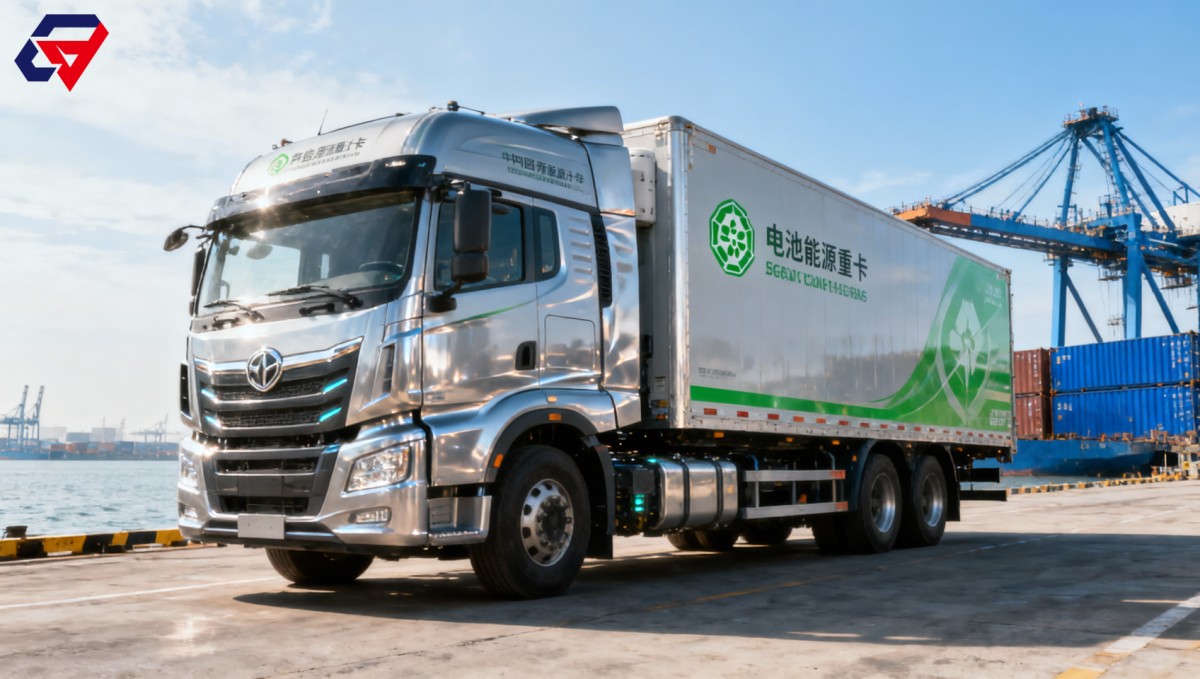
In summary, the Green Clearance Code marks a targeted procedural upgrade—not a structural shift—in China’s export ecosystem for new-energy heavy-duty vehicles. Its primary value lies in enhancing scheduling certainty for time-bound overseas deliveries, especially where infrastructure and financing conditions favor rapid fleet electrification. For stakeholders, the most pragmatic takeaway is that data discipline—not just product compliance—is becoming a prerequisite for trade efficiency in this segment.
Source: General Administration of Customs of the People’s Republic of China (announced April 23, 2026); scope and implementation details confirmed via official pilot notice. Note: Expansion beyond the initial 12 ports or inclusion of additional vehicle types remains under observation and has not been officially confirmed.
NAVIGATION
Send Us A Message