



News
Explore what’s going on around the industry and get the latest from the world of heavy equipment and earth-moving.
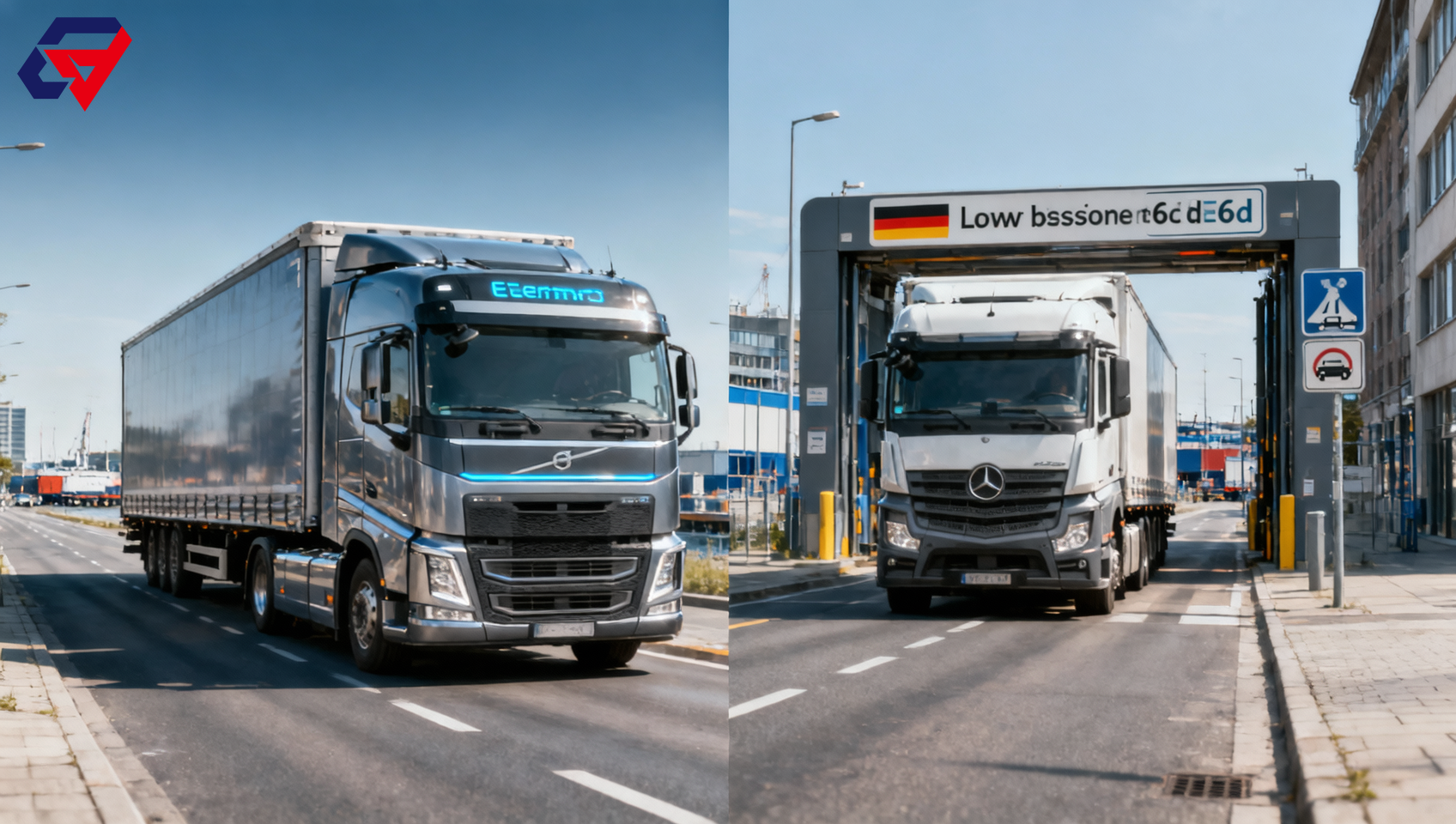
The timing of this development is not specified in the provided information, but by June 2026 Germany had already expanded stricter low-emission zone (LEZ) rules across more than 42 cities. The change matters to truck operators, fleet buyers, used-vehicle traders, regional logistics providers, and urban delivery businesses because access to city areas is becoming tied more directly to emissions standard, vehicle age, and in some pilot cities, zero-emission operation. For the market, this is not just a traffic-control measure; it affects procurement decisions, import viability, compliance screening, and delivery planning in truck-related supply chains.
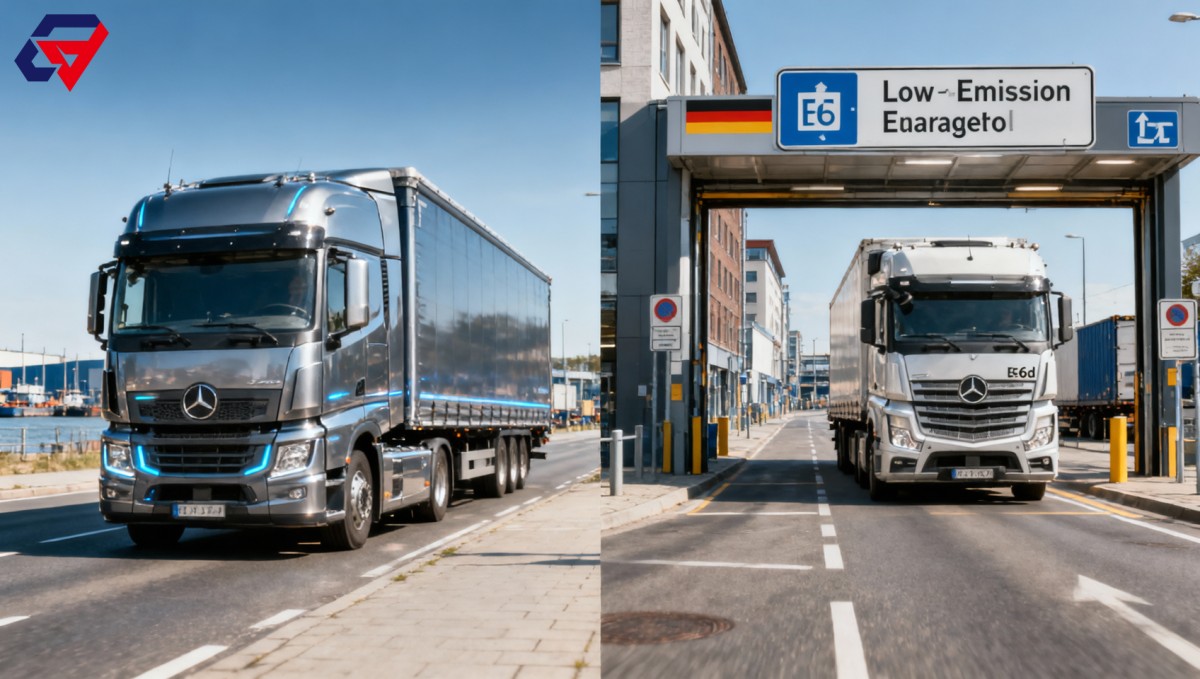
What the confirmed rule change shows
According to the provided summary, more than 42 German cities had fully implemented a strengthened LEZ regime by June 2026. Heavy trucks entering urban areas are required to meet the Euro 6d standard and must not be older than five years. In some hub cities, including Munich and Stuttgart, pilot measures have already been introduced that allow only zero-emission vehicles to pass.
The same summary indicates that these requirements are significantly narrowing the space for second-hand imports of diesel- and gas-powered heavy trucks. It also states that the replacement cycle for new energy heavy trucks, including BEV and FCEV models, is accelerating in regional logistics, urban delivery, and port drayage-type short-haul operations.
Where the pressure is likely to emerge first
Fleet purchasing is moving from price comparison to access compliance
From an industry perspective, truck buyers and fleet operators are likely to feel the impact first because vehicle selection is no longer only about total acquisition cost or payload fit. The practical issue becomes whether a truck can legally enter target urban operating zones over its planned service life. What deserves closer attention is the need to align procurement specifications with Euro 6d eligibility, vehicle age limits, and the possibility that some city routes may shift toward zero-emission-only access.
Used-truck trade faces a narrower operating window
Analysis shows that businesses dealing in second-hand fuel or gas heavy trucks may face a more restrictive trading environment. The provided information already points to tighter room for such imports, which means traders and buyers may need to review compliance documents, model-year positioning, and route suitability more carefully before cross-border transactions or resale commitments are made.
Urban logistics and port short-haul services may need earlier asset turnover
Observably, operators in regional distribution, city delivery, and port-side short-haul work are exposed because these scenarios depend heavily on repeated access to regulated zones. In these segments, the rule change can affect dispatch planning, asset replacement timing, and supplier selection. Companies serving these routes may need to pay closer attention to whether contract performance depends on zero-emission access in specific cities now under pilot rules.
Service and support chains may also need to adjust
What deserves closer attention is that compliance pressure does not stop at vehicle purchase. Delivery schedules, after-sales readiness, technical file preparation, and route-specific deployment planning may all become more important for suppliers, distributors, and service providers supporting heavy-truck customers that operate in regulated urban areas.
Practical checkpoints for companies now
Recheck technical and compliance screening before procurement
Analysis shows that companies should review whether internal tender specifications, purchase conditions, and supplier qualification checks are still aligned with the operating requirements implied by strengthened LEZ rules. For urban-entry use cases, Euro 6d conformity, vehicle age, and potential zero-emission access requirements deserve closer verification before orders are finalized.
Track whether local execution language becomes stricter
It is more appropriate to understand the current information as a strong execution signal, while also continuing to watch for more detailed local wording and enforcement practice. Businesses should pay attention to future official statements, city-level access criteria, and any changes in procurement or bidding documents that define eligible truck types for regulated routes.
Review documentation readiness across trade and delivery stages
From an operational perspective, importers, exporters, distributors, and end users may need to confirm that technical documents, compliance records, and vehicle-identification materials can support route eligibility checks where required. The provided information does not specify document formats or enforcement procedures, so this remains an area for continued verification rather than a confirmed completed requirement set.
Plan supply and replacement cycles more cautiously
Observably, where urban logistics or port short-haul operations depend on uninterrupted access, procurement timing and delivery planning may need earlier coordination. Companies may want to reassess whether existing fuel or gas truck sourcing plans remain commercially workable under a tighter LEZ environment, especially where pilot zero-emission access rules could affect future deployment.
Why this looks more like an execution signal than a temporary headline
Analysis shows that the most important meaning of this development is not the wording of one isolated rule, but the way access conditions are being linked to procurement viability. The confirmed facts point to a market in which emissions compliance, age thresholds, and in some locations zero-emission entry, are becoming practical filters for fleet renewal.
At the same time, it would be premature to treat all cities, routes, and business models as operating under one identical standard. It is more appropriate to understand this as a mix of already landed rule tightening and ongoing local implementation signals. For that reason, the industry still needs to monitor how certification language, route access criteria, and buyer specifications evolve in practice.
How the market may best interpret this development
A cautious reading of the current information suggests that Germany's expanded LEZ framework is already affecting the commercial logic of heavy-truck sourcing, especially for city-entry operations. The immediate significance lies less in broad market claims and more in the operational consequence that older or non-qualifying fuel and gas trucks may become harder to place in regulated use cases.
For industry participants, this is best understood as a concrete compliance-driven shift in purchasing and deployment priorities, combined with a continuing need to watch how local pilot measures, technical eligibility expectations, and market feedback develop.
Basis of this article and what still needs verification
This article is generated from the user-provided news title, event timing, and event summary. The specific official source link was not provided in the input, so the information should continue to be checked against source types typically relevant to this kind of development, such as official notices, regulator publications, customs or trade authority updates, industry association releases, standards-related documents, and reporting by authoritative media.
Further verification is still needed regarding detailed policy wording, local enforcement interpretation, certification or compliance review standards, changes in tender documents, market feedback, and how companies are implementing the rules in actual procurement and delivery arrangements.
NAVIGATION
Send Us A Message