



News
Explore what’s going on around the industry and get the latest from the world of heavy equipment and earth-moving.
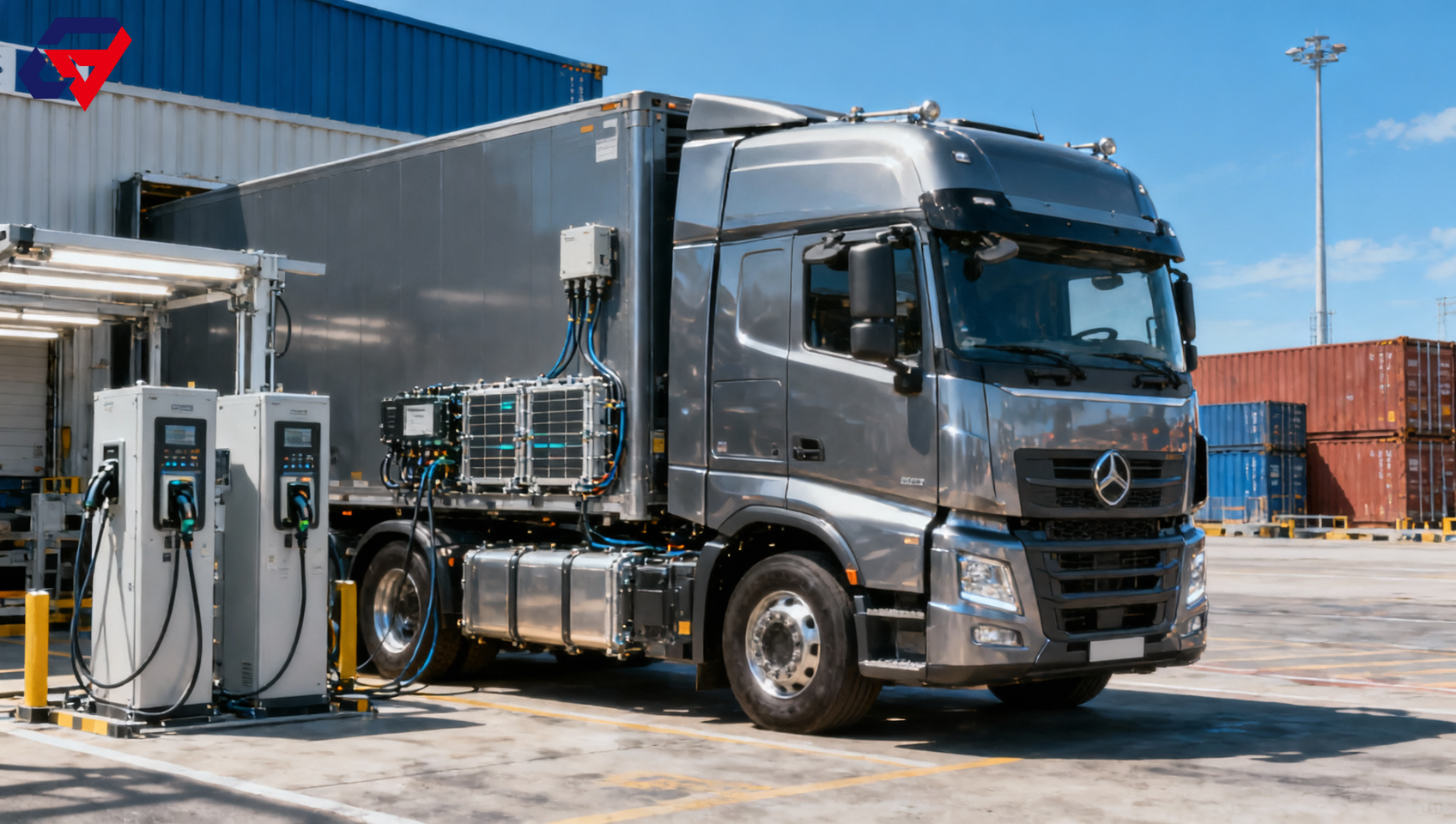
From June 1, 2026, the EU has begun mandatory enforcement of EN 15194-2:2026 for imported new energy heavy trucks, including battery-electric and battery-swap models as well as key electrified powertrain systems. For exporters targeting Europe, this is not just a technical update: it directly affects CE conformity procedures, customs clearance, delivery timing, and the cost of local adaptation, making it a practical issue for vehicle makers, core system suppliers, importers, and compliance teams.
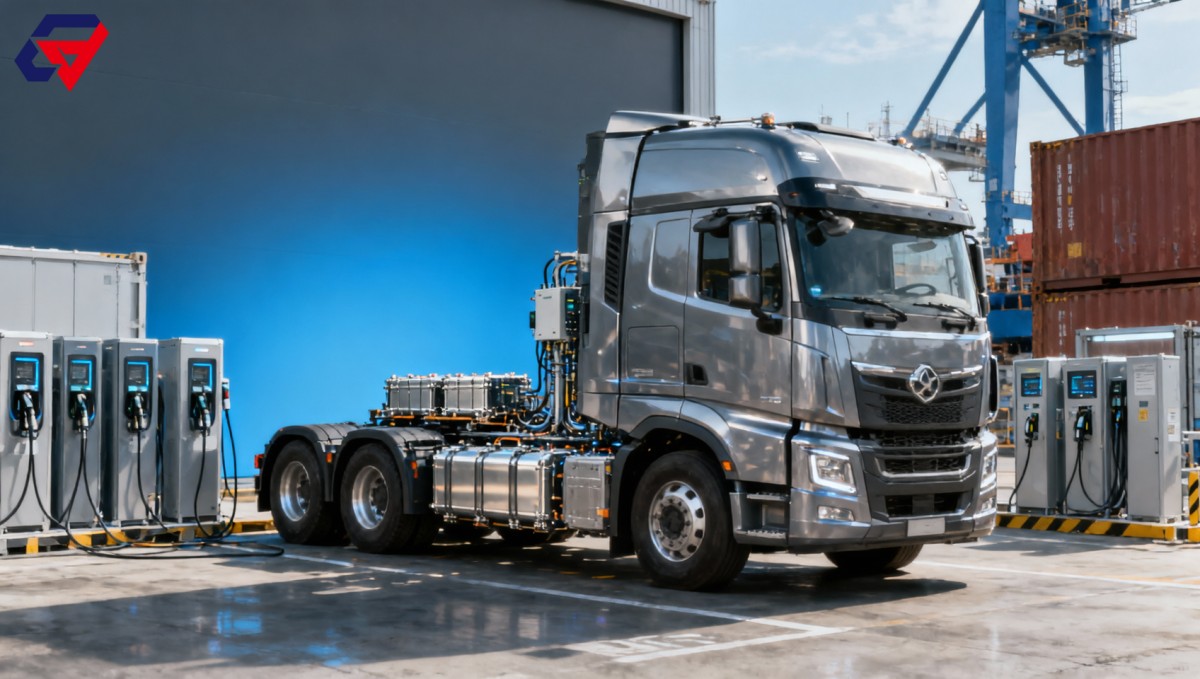
What the new requirement now covers
The confirmed change is that, as of June 1, 2026, the EU is formally requiring compliance with the updated electric commercial vehicle safety standard EN 15194-2:2026 for all imported pure electric and battery-swap heavy trucks, together with key three-electric systems.
The new version adds mandatory requirements in three areas: low-temperature charge and discharge durability, V2G compatibility, and remote diagnostic data interfaces.
Another confirmed point is procedural: vehicles that have not obtained the required type approval will not be able to complete the CE declaration of conformity or clear customs.
The information provided also makes clear that this change directly affects the market-entry pace of Chinese new energy heavy trucks exported to Europe, as well as the cost of localization and adaptation.
Where the impact is likely to be felt first
Export programs face a tighter compliance gate
From an industry perspective, vehicle exporters are likely to feel the impact first because certification is now directly tied to customs clearance and CE conformity completion. The pressure point is no longer limited to product design; it extends into shipment scheduling, launch timing, and order fulfillment for Europe-bound heavy trucks.
Core system suppliers move closer to the approval process
Analysis shows that suppliers involved in battery, drive, and electronic control-related systems may also face higher coordination demands, because the rule explicitly covers key three-electric systems. The practical concern is whether component-level technical readiness aligns with the vehicle-level approval path, especially in the newly added areas of low-temperature durability, V2G compatibility, and remote diagnostic interfaces.
Importers and customs-facing teams need document certainty
For importers, local distribution entities, and teams handling compliance documents, the immediate issue is operational certainty. Since uncertified vehicles cannot complete CE conformity declaration or customs clearance, attention is likely to shift toward document completeness, approval timing, and communication between overseas manufacturers and local receiving parties.
European market customers may focus more on delivery reliability
Observably, buyers and downstream commercial users may not be the direct compliance subject, but they are exposed to the consequences of any certification delay. Their main concern is likely to center on whether imported vehicles can enter the EU on schedule and whether technical specifications match local regulatory requirements at the point of delivery.
Practical points companies should monitor now
Track how the standard is applied in actual certification work
What deserves closer attention is the difference between the written requirement and its implementation in approval practice. Companies involved in exports should closely monitor how the new items under EN 15194-2:2026 are interpreted during type approval, especially where product configuration and testing preparation are concerned.
Review Europe-bound models and key systems together
The scope covers complete imported battery-electric and battery-swap heavy trucks as well as key three-electric systems, so businesses should not treat vehicle certification and system readiness as separate tasks. In practical terms, model planning, system matching, and technical file preparation may need to be reviewed in parallel.
Prepare for schedule and cost implications before shipment
Analysis shows that the rule change is closely connected to export timing and localization cost. Companies should therefore pay attention to lead times for compliance preparation, possible adjustments to Europe-bound specifications, and the risk of shipment disruption if certification milestones are not aligned with delivery commitments.
Strengthen customer and partner communication around compliance status
Because customs clearance depends on certification completion, communication with importers, distributors, and end customers becomes more important. What matters in practice is not only whether a vehicle is designed for the EU market, but whether the approval status, document readiness, and delivery timetable are clearly communicated across the chain.
Why this should be read as more than a routine standards update
In observation, this development is better understood as an immediate market-access requirement rather than a distant policy signal. The reason is straightforward: the consequence of non-certification is already defined in operational terms, namely the inability to complete CE conformity declaration and customs clearance.
At the same time, it is also appropriate to understand this as a longer-term signal about the direction of technical compliance for imported new energy heavy trucks in Europe. The addition of low-temperature durability, V2G compatibility, and remote diagnostic interface requirements suggests that access conditions are becoming more closely linked to real-world operating adaptability, grid interaction capability, and data connectivity. This interpretation remains an analysis based on the provided information, not a claim about broader future policy outcomes.
How the market may best interpret the change at this stage
At this stage, the most balanced reading is that the EU’s enforcement of EN 15194-2:2026 creates a clear and immediate compliance threshold for imported new energy heavy trucks. Its significance lies less in headline policy language and more in the fact that certification is now directly connected to entry procedures and delivery execution.
For the industry, this is best understood as both a near-term operational change and a compliance signal worth continued monitoring. The immediate task is not speculation, but making sure vehicle programs, key systems, documents, and partner coordination are aligned with the new requirement.
Basis of this article and what still needs verification
This article is based on the user-provided news title, event date, and event summary. The confirmed facts used here come only from that provided information.
For this type of development, source categories typically relevant for follow-up verification include official regulatory announcements, standard organization documents, company compliance disclosures, industry association updates, and reporting by authoritative trade media. A specific official source link was not provided in the input, so further verification is still necessary.
Areas worth continued monitoring include any additional official clarification on certification practice, the detailed application of the new requirements to imported heavy trucks and key systems, and how implementation affects export schedules and localization costs in actual business operations.
NAVIGATION
Send Us A Message