



News
Explore what’s going on around the industry and get the latest from the world of heavy equipment and earth-moving.
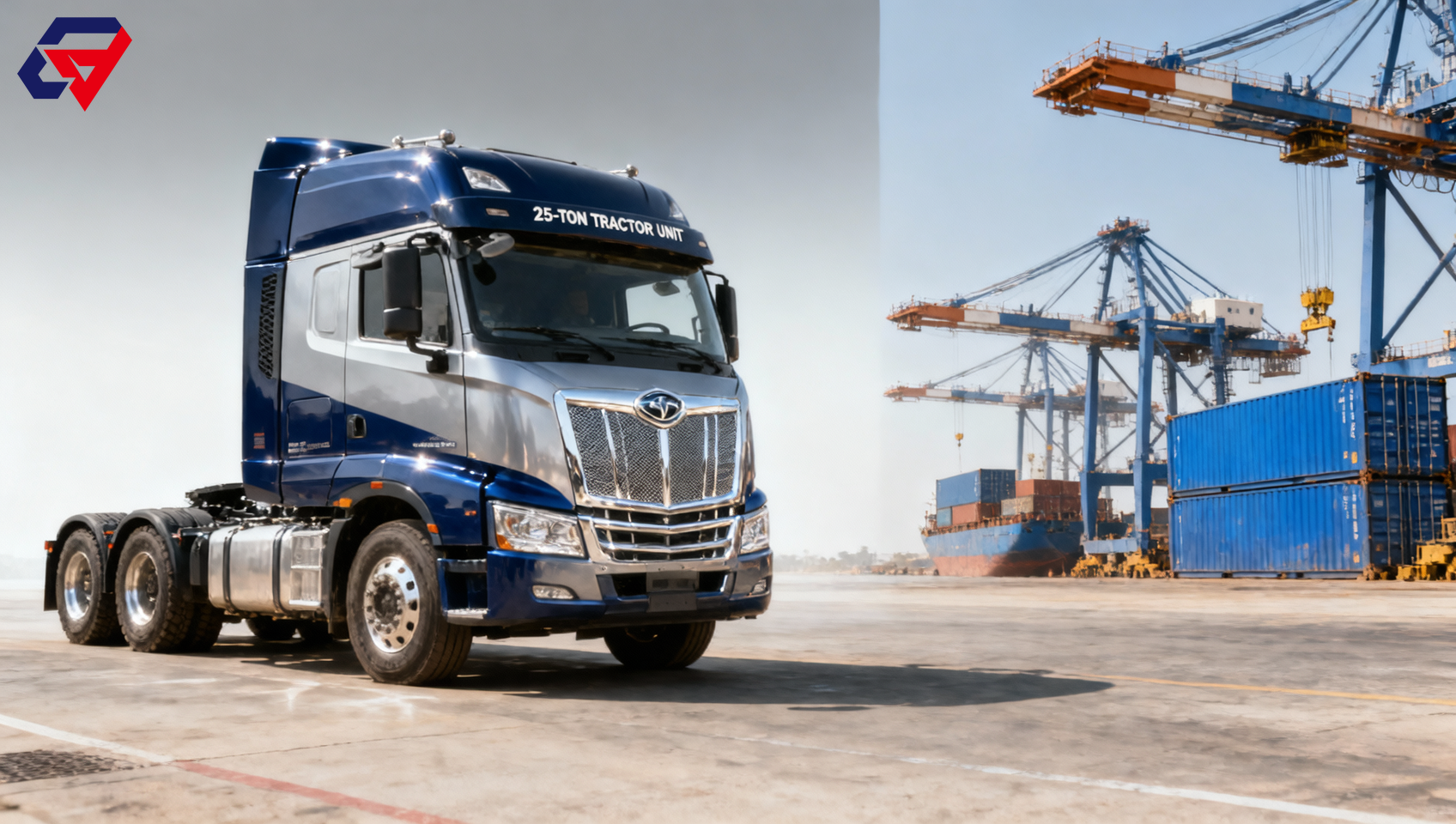
Effective May 1, 2026, China has extended zero-tariff treatment to all 53 African countries with which it maintains diplomatic relations — covering heavy-duty truck整车 (complete vehicles), chassis, cabs, axles, and engine assemblies. This development directly impacts manufacturers, exporters, distributors, and logistics providers engaged in Africa-bound commercial vehicle trade, and signals a structural shift in cost competitiveness for heavy-truck exports to key African markets.
Event Overview
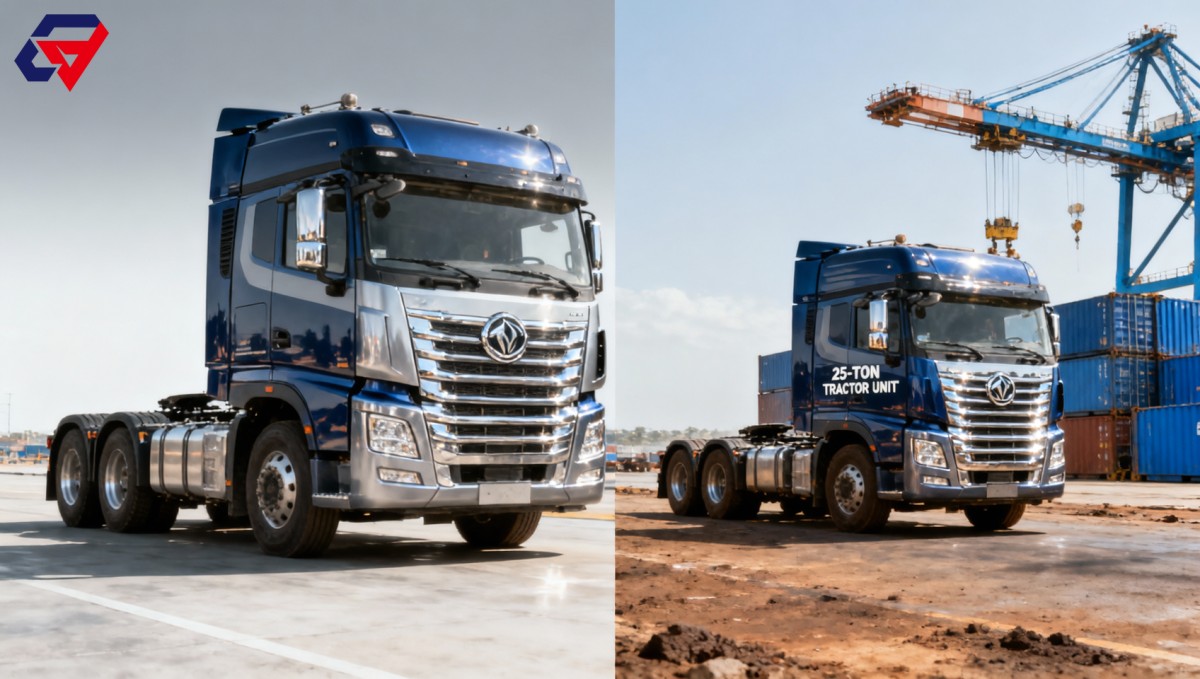
As of May 1, 2026, China’s zero-tariff policy for goods exported to all 53 African countries with formal diplomatic ties entered into force. The measure explicitly includes heavy-duty truck complete vehicles, chassis, cabs, axles, and engine assemblies. According to data released by China’s General Administration of Customs, the average tariff reduction for a 25-ton tractor unit exported to Nigeria, Kenya, and South Africa is approximately 10.3%. Combined with ongoing logistics optimization, this lowers landed price competitiveness at the end-market level. Multiple African-based distributors have reportedly initiated urgent order expansions following the policy’s implementation.
Industries Affected
Direct Exporters of Heavy-Duty Trucks and Components
Manufacturers and trading companies exporting complete heavy-duty trucks or core subassemblies (e.g., chassis, axles, engine assemblies) to the 53 African countries are directly affected. Tariff elimination applies to specific HS codes under the agreed list, meaning export cost structures — particularly landed duty costs — are now materially revised. The 8–12% reduction in tariff burden translates into either improved gross margins or enhanced pricing flexibility in competitive tenders and dealer negotiations.
Supply Chain and Logistics Service Providers
Firms offering freight forwarding, customs brokerage, and last-mile delivery services for heavy-truck shipments to Africa face shifting demand patterns. With lower tariff barriers, shipment volumes may rise — especially for full-container-load (FCL) consignments of assembled units. However, increased volume does not automatically imply higher profitability: tighter margin expectations from exporters may pressure service fees, while infrastructure constraints in certain African ports and inland corridors remain unchanged.
African-Based Distributors and Aftermarket Operators
Local distributors in Nigeria, Kenya, South Africa, and other eligible countries now benefit from lower landed costs for imported Chinese heavy-duty trucks and replacement parts. This may accelerate fleet renewal cycles and expand credit-financed sales programs. At the same time, aftermarket operators may see intensified competition as more competitively priced OEM parts enter local markets — potentially compressing margins on parallel-imported or third-party components.
What Enterprises and Practitioners Should Monitor and Do Now
Track official tariff schedules and product coverage updates
The zero-tariff treatment applies only to goods meeting origin criteria and listed under mutually agreed tariff lines. Enterprises should verify whether their specific HS codes — especially for hybrid or locally assembled variants — are included in the final published annexes issued by China’s Ministry of Commerce and the General Administration of Customs.
Focus on priority markets where tariff savings align with existing distribution capacity
The 10.3% average tariff reduction varies across destinations and product categories. Companies should prioritize Nigeria, Kenya, and South Africa — where both tariff relief and logistical feasibility are relatively mature — before scaling into less-served countries where port handling, certification, or after-sales infrastructure remains underdeveloped.
Distinguish between policy announcement and operational readiness
While the policy took effect on May 1, 2026, actual customs clearance under zero-tariff terms requires valid certificates of origin, updated import declarations, and alignment with local African customs procedures. Delays may occur if documentation standards differ across African customs authorities — making pre-shipment verification critical.
Review and adjust procurement, inventory, and quotation timelines
Exporters should revise internal costing models to reflect the new tariff baseline, update pro forma invoices accordingly, and communicate revised lead times to African partners — especially where increased order volumes are expected. Inventory planning for high-demand SKUs (e.g., 25-ton tractors, standard axles) should account for potential lead-time compression due to faster customs release.
Editorial Perspective / Industry Observation
Observably, this policy represents a deliberate step toward deepening trade integration rather than a short-term stimulus measure. It consolidates earlier preferential arrangements — previously applied to select African LDCs — into a unified framework covering all 53 diplomatic partners. Analysis shows that the impact is most immediate for firms already active in Africa; for newcomers, the tariff change alone does not resolve non-tariff barriers such as type approval, roadworthiness certification, or spare-parts localization requirements. From an industry perspective, the policy is best understood not as a standalone market-opening event, but as one enabler within a broader, multi-year trade facilitation trajectory — requiring complementary investment in local compliance, service networks, and partner capability building.
Conclusion
This zero-tariff policy marks a concrete, quantifiable improvement in export cost structure for Chinese heavy-duty truck exporters targeting Africa. Yet its practical significance depends less on headline percentage reductions and more on how quickly enterprises align documentation, logistics, and commercial terms with the new regime — and how effectively they integrate tariff savings into sustainable, service-backed market entry strategies. It is better understood as an operational inflection point than a strategic turning point.
Information Sources
- General Administration of Customs of the People’s Republic of China (public announcement, April 2026)
- Ministry of Commerce of the People’s Republic of China (policy implementation notice, effective May 1, 2026)
- Note: Implementation consistency across all 53 African customs administrations remains subject to ongoing observation.
NAVIGATION
Send Us A Message