



News
Explore what’s going on around the industry and get the latest from the world of heavy equipment and earth-moving.
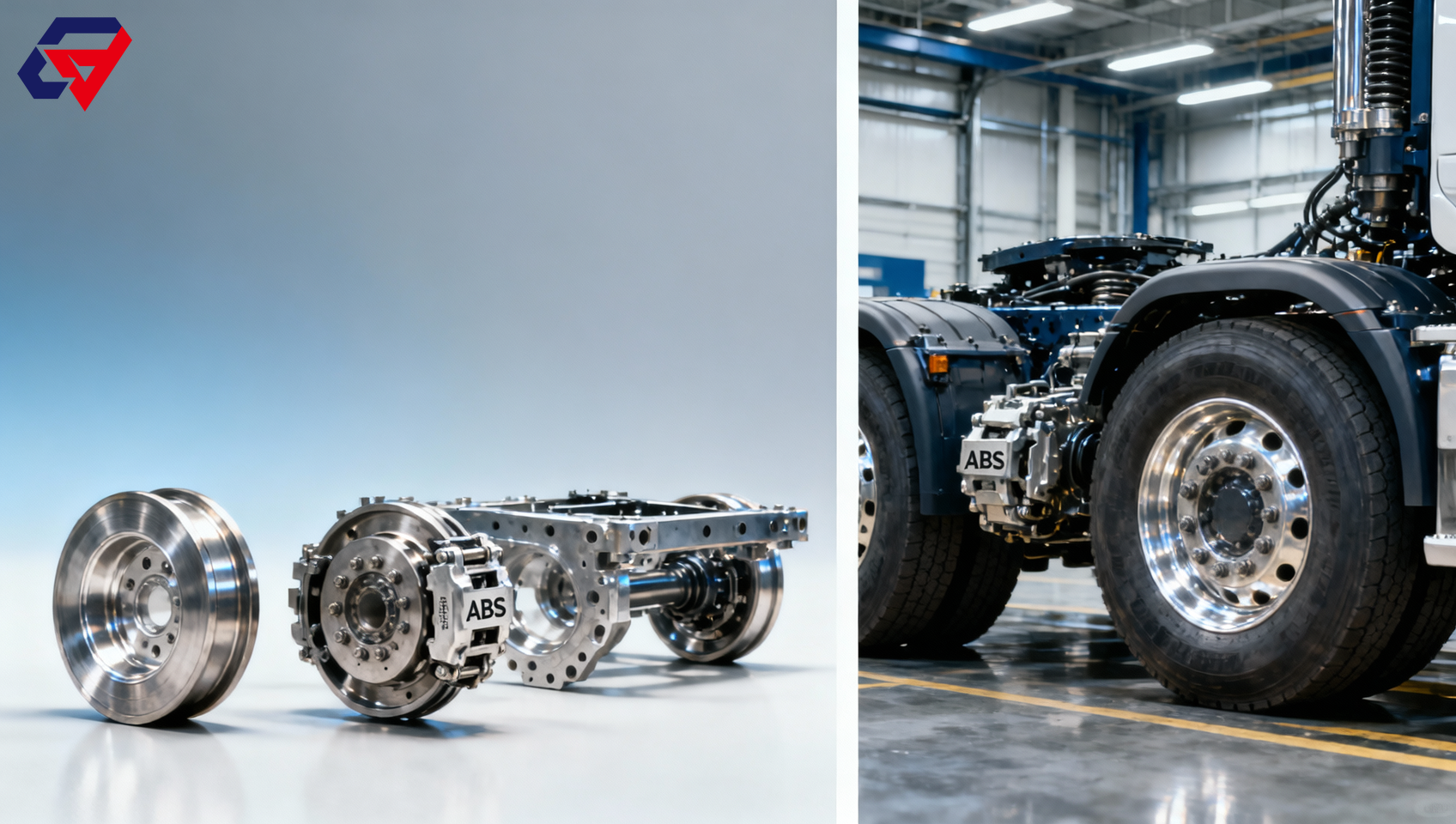
Canada’s Act to Combat Forced Labour and Child Labour in Supply Chains requires annual reporting by entities meeting certain size thresholds that import goods—including heavy-duty truck components such as axles, braking systems, and cab assemblies—into Canada. The 2026 reporting deadline falls on 31 May 2026. Exporters based in China and other jurisdictions must submit an English-language report detailing supply chain due diligence, risk assessment, and mitigation measures. Non-compliance may result in penalties of up to CAD 250,000 and potential import restrictions.
Event Overview
The 2026 annual compliance report under Canada’s Act to Combat Forced Labour and Child Labour in Supply Chains is due on 31 May 2026. Entities that meet at least one of the following thresholds—CAD 20 million in assets, CAD 40 million in revenue, or 250+ employees—and import covered goods into Canada must file a publicly accessible English report. Covered goods include physical components for heavy-duty trucks, specifically axles, braking systems, and cab assemblies. The report must describe due diligence processes, identified risks of forced labour or child labour in the supply chain, and actions taken to address those risks. Failure to file carries statutory penalties and trade-related consequences.
Which Subsectors Are Affected
Direct Exporters of Heavy-Duty Truck Components
Chinese manufacturers and trading companies exporting axles, braking systems, or cab assemblies to Canadian importers are directly subject to the law if they meet the asset/revenue/employee thresholds. Their legal obligation arises not from incorporation in Canada but from the act of importing covered goods into Canada—often fulfilled through a Canadian importer-of-record who may require upstream documentation and certifications.
Contract Manufacturers and Tier-1 Suppliers
Firms producing finished or semi-finished components under OEM or tiered supply agreements may be contractually required to provide traceability data, audit-ready records, or third-party verification—even if they do not themselves file the report. Canadian importers increasingly treat such documentation as a prerequisite for purchase orders or customs clearance.
Raw Material and Subcomponent Sourcing Entities
Suppliers of castings, forgings, friction materials, or electronic control units used in braking or axle systems may face downstream information requests. While not directly liable under the Act, their ability to demonstrate responsible sourcing (e.g., origin of steel, rare earths, or rubber) affects the reporting capacity of their direct customers.
What Affected Companies or Practitioners Should Focus On — And How to Respond Now
Confirm applicability and identify the responsible filer
Determine whether your organization meets the statutory thresholds—and clarify whether reporting responsibility rests with your entity (as foreign exporter) or your Canadian importer. Under current guidance, foreign exporters may file voluntarily, but Canadian importers meeting thresholds bear primary filing obligations. Coordination on content and timing is essential.
Map and document Tier-1 and Tier-2 suppliers for covered products
Focus due diligence efforts on the specific product lines destined for Canada—not the entire enterprise portfolio. Trace raw material origins, sub-tier manufacturing locations, and labour practices at key nodes (e.g., casting foundries, brake pad fabricators). Maintain records in English, including supplier questionnaires and audit summaries, dated prior to 31 May 2026.
Prepare core reporting elements now—not just before the deadline
The required report includes three mandatory sections: (1) organisational structure and supply chain activities; (2) due diligence processes; and (3) risk assessment and mitigation. Drafting these sections requires cross-functional input (compliance, procurement, quality, logistics). Begin internal alignment early; avoid last-minute reliance on external consultants without verified experience in Canadian supply chain law reporting.
Monitor official updates from Innovation, Science and Economic Development Canada (ISED)
ISED publishes guidance, FAQs, and sample reports on its dedicated portal. As of mid-2024, no formal extension or revised threshold guidance has been issued for the 2026 cycle—but stakeholders should track announcements for clarifications on scope (e.g., whether ‘cab assemblies’ include interiors or wiring harnesses) or filing formats.
Editorial Observation / Industry Perspective
Observably, this deadline functions less as a one-time compliance checkpoint and more as a signal of tightening regulatory expectations across North American and European markets. Analysis shows that enforcement remains largely disclosure-based in year one, with limited public enforcement actions to date—but the statutory penalty framework and import restriction authority indicate escalation potential. From an industry perspective, the 31 May 2026 deadline marks the second full reporting cycle since the Act entered force in 2023; increasing numbers of Canadian importers now treat supplier due diligence as non-negotiable in commercial negotiations. It is better understood not as a standalone requirement, but as an embedded operational expectation for exporters serving regulated markets.

This notice serves as a timely reminder for exporters of heavy-duty vehicle components to Canada: regulatory accountability in global supply chains is now operationalised through defined reporting cycles, enforceable penalties, and cascading contractual obligations. The 2026 deadline does not introduce new legal standards—but it does reinforce that consistent, documented, and export-ready due diligence is no longer optional for market access.
Source: Government of Canada, Act to Combat Forced Labour and Child Labour in Supply Chains, administered by Innovation, Science and Economic Development Canada (ISED); official guidance documents published via ised-isde.canada.ca.
Noted for ongoing observation: Any future amendments to reporting thresholds, sectoral exclusions, or enforcement protocols issued by ISED prior to 31 May 2026.
NAVIGATION
Send Us A Message