



News
Explore what’s going on around the industry and get the latest from the world of heavy equipment and earth-moving.

From October 1, 2026, heavy trucks made in China and imported into the EU will face a new compliance requirement tied to intelligent driving assistance systems. Based on the European Commission's guidance issued on August 8, 2026, L3-and-below assisted heavy commercial vehicles entering the EU market must be accompanied by an ISO 26262 ASIL-B functional safety assessment report issued by an EU-recognized CB body. This is worth close attention from vehicle exporters, subsystem suppliers, certification teams, and delivery planners because it directly touches type-approval preparation and shipment timing.
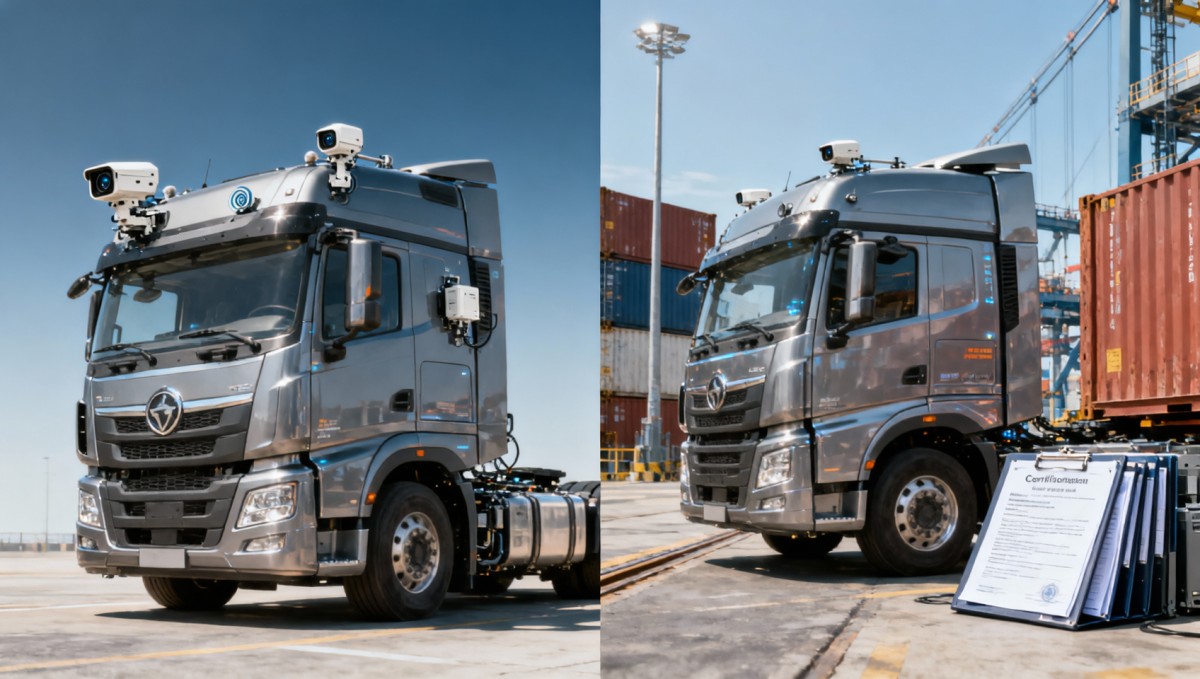
What the new requirement states
The confirmed policy basis is the European Commission's Compliance Guidance for Intelligent Driving Systems in Heavy Commercial Vehicles (Ref: EC/2026/789), released on August 8, 2026.
According to the provided information, from October 1, 2026, all L3-and-below intelligent assisted heavy trucks imported into the EU, including vehicles equipped with systems such as ADAS, AEB, and ESC, must carry an ISO 26262 ASIL-B functional safety assessment report.
The report must be issued by an EU-recognized CB body. The requirement applies not only to complete vehicle manufacturers but also to suppliers of key subsystems. The policy is described as directly affecting type-approval routes and delivery schedules for Chinese exporters.
Where the impact is likely to be felt first
Pressure on export-ready vehicle programs
For complete vehicle exporters, the most immediate impact is likely to appear in market-entry preparation. Because the requirement is tied to imported heavy trucks with intelligent assistance functions, compliance documentation becomes part of the practical path to EU entry. The business link most exposed is the handoff between engineering readiness, certification readiness, and shipment planning.
From an industry perspective, what deserves closer attention is whether export programs already in preparation have aligned their document packages and assessment arrangements with the new requirement before the October 1, 2026 effective date.
Key subsystem suppliers move closer to the compliance front line
The requirement explicitly covers key subsystem suppliers, which means the compliance burden is not limited to the final vehicle assembler. Suppliers involved in ADAS, AEB, ESC, and other relevant intelligent assistance functions may be drawn more directly into evidence preparation, technical coordination, and report support.
Analysis shows that the impact at this level is likely to concentrate on technical documentation completeness, assessment coordination with OEM customers, and timing alignment with vehicle export milestones.
Certification and delivery coordination become tighter
For teams managing certification, customs preparation, order scheduling, or customer delivery commitments, the practical issue is sequence control. Because the rule links market access to an assessment report issued by an EU-recognized CB body, document availability may become a gating item in the broader delivery process.
Observably, even without adding assumptions about specific lead times, the information already indicates that type-approval pathways and delivery cycles may be affected.
What companies should monitor now
Watch for any further official clarification
The current confirmed basis is the Commission guidance and its stated effective date. Companies should closely monitor whether any subsequent official wording further clarifies product scope, document format, or implementation details. That distinction matters because policy direction and operational execution are not always identical in practice.
Map affected product lines and system boundaries
Businesses exporting to the EU should identify which heavy truck models fall within the L3-and-below assisted category and which onboard systems are likely to trigger documentation requirements under the guidance already described. The practical focus is not general compliance messaging but product-by-product scope confirmation.
Check supplier and report readiness early
Because the requirement extends to key subsystem suppliers and specifies reports from EU-recognized CB bodies, companies should pay attention to whether existing suppliers can support the required assessment pathway and whether report preparation fits planned delivery windows. In operational terms, supplier readiness and document readiness now appear more closely connected.
Prepare for customer and partner communication
For exporters already serving EU buyers or channel partners, the new requirement may need to be reflected in contract execution, document checklists, and delivery communication. Analysis shows that a clear explanation of applicable models, supporting reports, and expected timing may become necessary in routine commercial coordination.
Why this looks like more than a one-off document update
This section is analysis rather than confirmed fact. It is more appropriate to understand this development as a concrete compliance signal rather than a purely administrative adjustment. The requirement is specific in scope, date, and documentation form, and it reaches both complete vehicles and key subsystem suppliers.
At the same time, it should not yet be overstated as a fully settled long-term market outcome based on the provided information alone. What the industry can say with confidence is narrower: the rule creates an immediate compliance checkpoint for Chinese heavy truck exports to the EU, and the way companies respond may influence certification sequencing and delivery planning.
How the market should read this development
In practical terms, this update should be read as an actionable near-term compliance change with broader strategic implications still worth observing. It is not just a headline about standards language; it attaches a clear functional safety reporting requirement to EU import access for relevant heavy trucks. For industry participants, the rational conclusion is to treat it as an operational issue now and a policy signal that merits continued monitoring afterward.
Basis of this article and what still needs verification
This article is based on the user-provided news title, event date, and event summary concerning the European Commission guidance dated August 8, 2026 and the October 1, 2026 implementation point.
For this kind of industry update, commonly relevant source types may include official government announcements, company disclosures, industry association releases, authoritative media coverage, and standard-related documents. However, a specific official source link was not provided in the input, so the exact underlying publication path still requires ongoing verification.
Further monitoring should focus on any later official clarification related to implementation details, applicable product boundaries, and documentation practice under Ref: EC/2026/789.
NAVIGATION
Send Us A Message