



News
Explore what’s going on around the industry and get the latest from the world of heavy equipment and earth-moving.
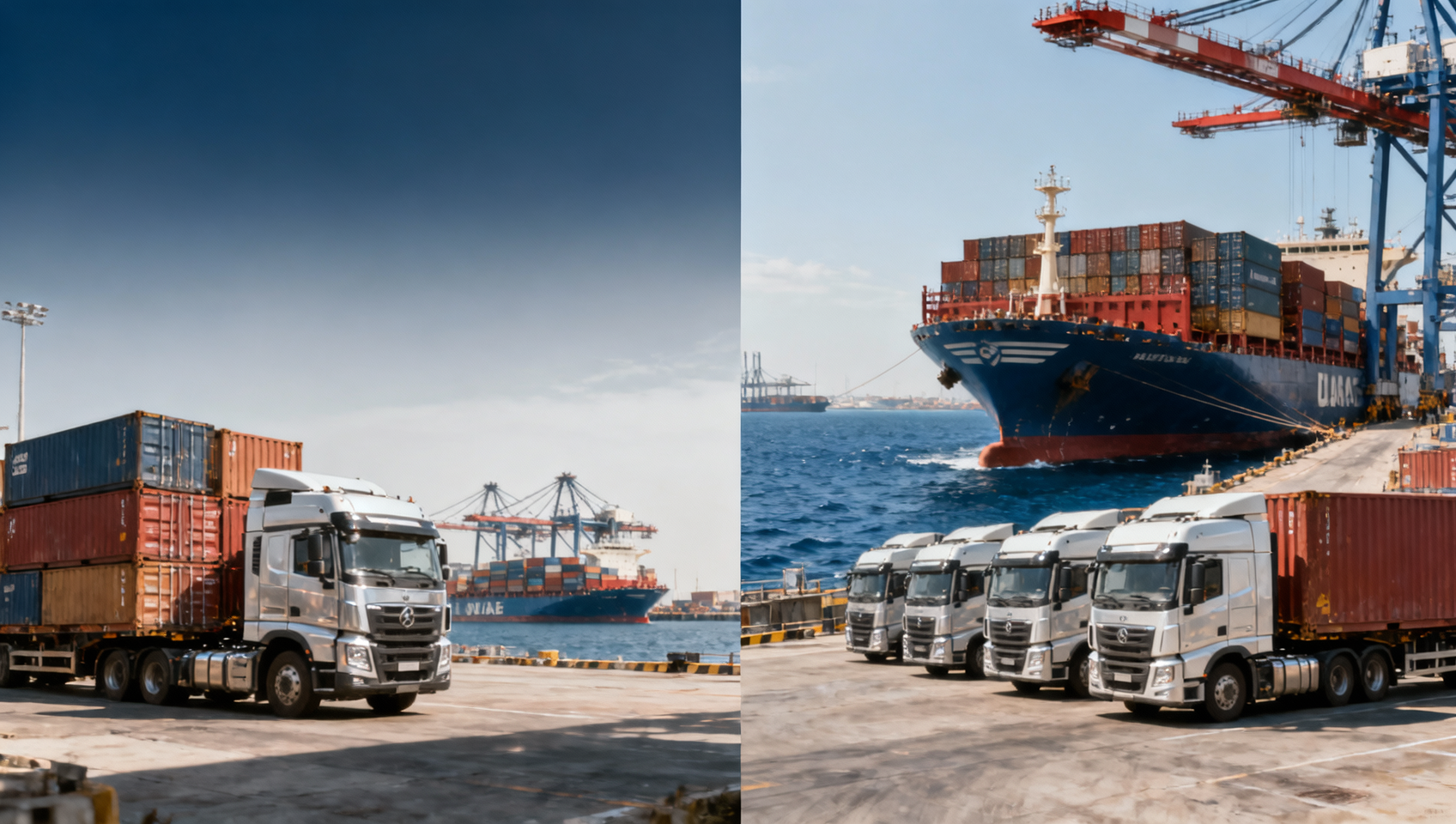
The latest market signal from the Eurasia lane points to a logistics-rule issue that is now showing up directly in trade execution: with Red Sea disruption still constraining passage and carriers continuing to route around the Cape of Good Hope, average vessel time for truck exports has stretched to 42 days and spot freight has risen 18% week on week. The event time is not specified in the source material, but the compliance impact is already visible for exporters, overseas buyers, forwarders, and customs filing teams that depend on stable transit windows, VGM timing, and ISF submission discipline.
Route Risk and Freight Pressure on the Eurasia Lane
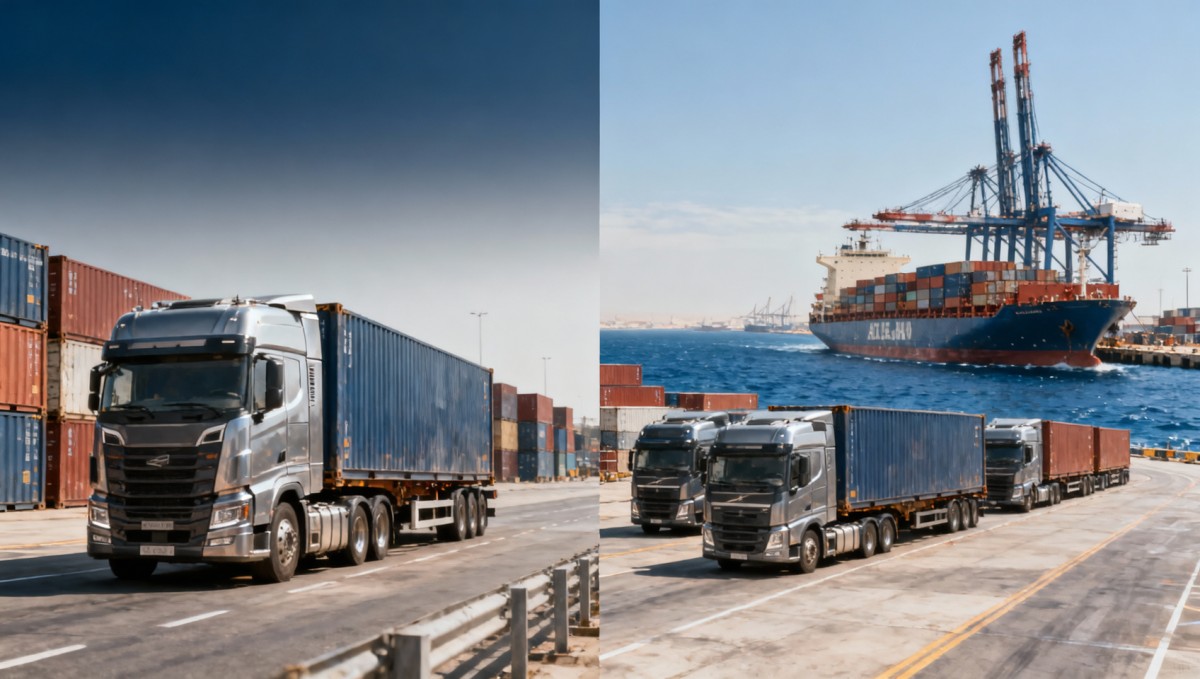
According to the provided data, the latest Shanghai Shipping Exchange and Alphaliner figures show Eurasia spot container freight at $5,820/TEU on August 6, 2026, up 18% from the end of July. The same update says Suez Canal passage has fallen to 32% because of repeated Houthi attacks, and truck exports are broadly avoiding the canal route in favor of the Cape of Good Hope. For Shanghai to Rotterdam, transit time has lengthened from 28 days to 42 days. Several Chinese truck exporters have already started using Southeast Asia transit warehouses for stock preparation, and overseas importers are being advised to place orders six weeks earlier and confirm the timing of VGM and ISF declarations.
Where the Compliance Burden Is Shifting
Exporters need tighter shipment sequencing
From an industry perspective, truck exporters are the first group to feel the effect because longer sailing time changes how orders are confirmed, production is scheduled, and handover dates are promised. The practical pressure sits in booking lead time, shipment documentation, and the alignment between cargo readiness and carrier schedules. When transit windows extend by two weeks, even a stable order book can turn into delayed delivery commitments if the exporter does not adjust filing and loading timing.
Importers need to watch filing deadlines more closely
Overseas buyers are affected not only by freight cost but also by the timing of VGM and ISF-related steps. What deserves closer attention is not a new rule text, but the execution burden created by longer routes and earlier booking requirements. If filing deadlines are not matched to the revised transit rhythm, cargo may face avoidable clearance or boarding friction at origin or destination.
Forwarders and warehouse operators face inventory timing pressure
Forwarding services and transit warehouse operations become more important when exporters use Southeast Asia as a buffer point. That changes handoff timing, stock visibility, and document synchronization across legs of the move. For these service providers, the relevant issue is whether booking, cargo release, and customs paperwork can stay synchronized with the longer ocean leg.
What Exporters Should Check Now
Reconfirm document timing before booking space
Analysis shows that the most immediate task is to verify booking windows against VGM and ISF timing, especially for shipments moving under tighter delivery commitments. The source material does not provide a new formal rule, so this should be treated as an execution signal rather than a finalized regulatory change.
Review delivery promises against the 42-day transit cycle
Any export contract, purchase order, or forecast tied to the Eurasia lane should be checked against the longer Shanghai-Rotterdam transit. The key question is whether the current supply plan still allows sufficient buffer for loading, port handover, and destination clearance once the route runs via the Cape of Good Hope.
Watch for carrier and customer-side updates
It is more appropriate to understand this as an ongoing market and compliance adjustment than a settled endpoint. Further changes in routing, freight levels, or filing practice may appear through carrier notices, customer instructions, or updated trade documentation requirements. Those signals matter more than broad market commentary at this stage.
What This Signal Means for the Market
Observably, this is a market execution warning that sits between logistics disruption and trade compliance. It does not confirm a new formal rule, but it does show that route risk is already affecting order timing, document preparation, and delivery planning. For now, the best reading is that the market is adapting to a sustained disruption, while the precise execution pattern still needs to be watched in carrier practice, importer requirements, and filing timelines.
Source Basis and Ongoing Verification
This article is generated from the user-provided headline, event timing note, and event summary. The basis includes information attributed to the Shanghai Shipping Exchange and Alphaliner, plus the reported Red Sea disruption, Suez Canal passage rate, Cape of Good Hope rerouting, Shanghai-Rotterdam transit extension, Southeast Asia transit warehouse response, and the recommendation to place orders six weeks in advance and confirm VGM and ISF timing. No specific official source links were provided in the input, so they are not listed here and should continue to be verified. Follow-up attention should remain on policy implementation detail, filing practice, carrier notices, customer instructions, and actual shipment execution.
NAVIGATION
Send Us A Message