



News
Explore what’s going on around the industry and get the latest from the world of heavy equipment and earth-moving.
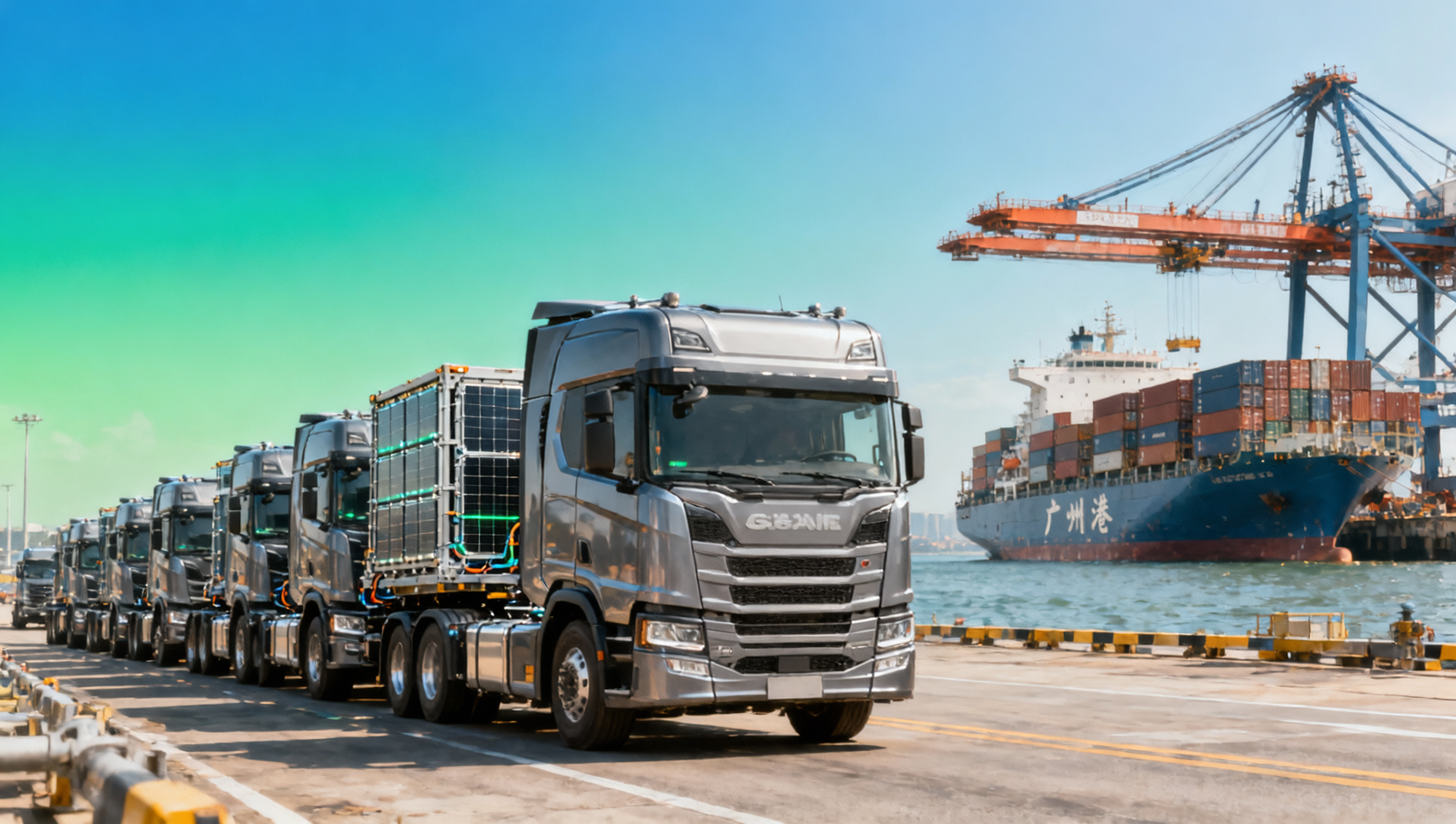
On June 30, 2026, a batch of 883 domestically made new-energy heavy trucks departed via Guangzhou Port, setting a new single-shipment export record for China’s new-energy tractor units. At the same time, Jebel Ali Port in the UAE and Lagos Port in Nigeria began using a "green clearance" channel for Chinese new-energy commercial vehicles, cutting document review and inspection time to an average of three working days. For exporters, battery document preparation, customs brokerage, and overseas delivery planning are now the parts of the process worth watching most closely.
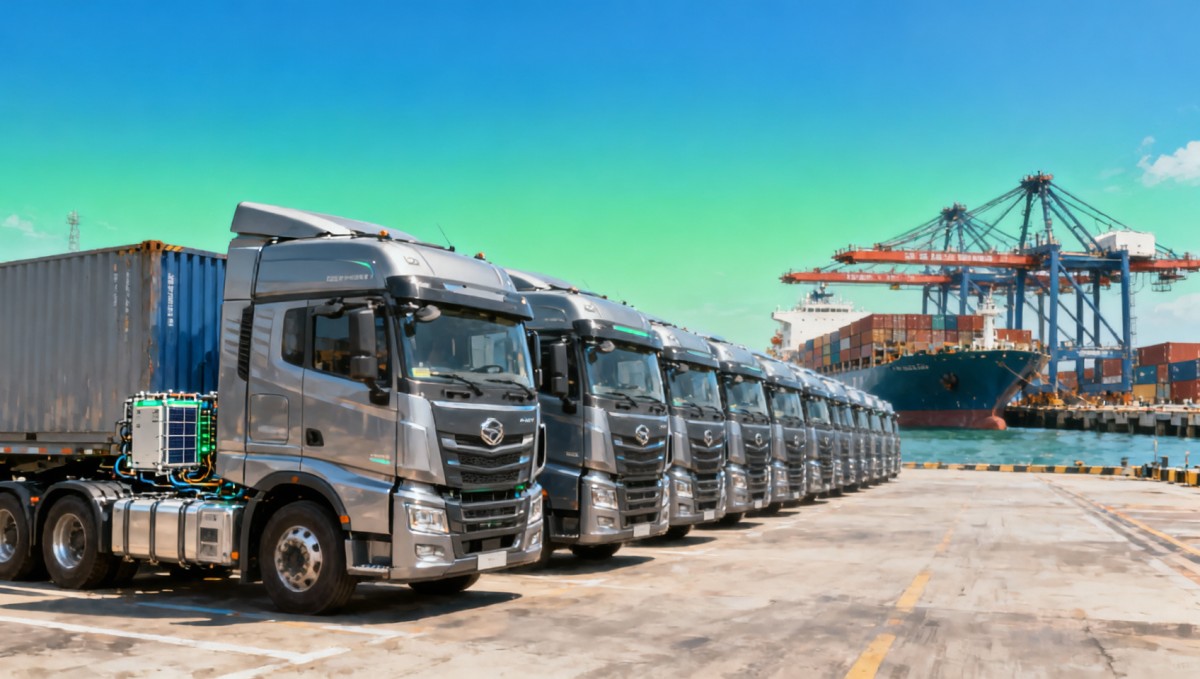
What was confirmed on June 30
The confirmed event is straightforward: 883 new-energy heavy trucks produced in China were exported through Guangzhou Port on June 30, 2026, which set a new record for a single export shipment of new-energy tractor units. In parallel, Jebel Ali Port and Lagos Port introduced a green clearance channel for Chinese new-energy commercial vehicles, with average time for document review and inspection reduced to within three working days.
The new process requires UN38.3 battery certification and an EN15194 adaptation statement. It also removes the need to complete local type-approval procedures in advance.
Where the impact is likely to show up first
Exporters and vehicle makers
From an industry perspective, the most immediate effect is on export execution. For vehicle makers and direct exporters, the new clearance path changes the timing of shipment preparation, paperwork submission, and port coordination. The main variables now sit in document completeness, battery compliance files, and whether the destination market accepts the stated clearance route without extra back-and-forth.
Logistics and customs service providers
Observably, logistics providers and customs brokers are likely to feel pressure to shorten handoff cycles. A three-working-day clearance window leaves less room for missing certificates, inconsistent declarations, or late amendments. That makes pre-shipment review, document standardization, and port-side coordination more important than simple freight booking.
Overseas buyers and fleet operators
For overseas buyers, the key change is not just faster release at port, but fewer front-loaded compliance steps. That can affect procurement timing, fleet rollout schedules, and the way buyers negotiate delivery commitments. The practical focus shifts to whether the supplied documents match the port's requirements exactly, especially for battery-related compliance.
What companies should check now
Keep the battery file set complete
The announced requirements make UN38.3 and the EN15194 adaptation statement core documents in the process. Companies should verify that the documents are aligned with the shipment model, not just prepared in a generic format.
Separate policy signal from shipment reality
What deserves closer attention is the difference between a port channel being opened and the full export workflow becoming frictionless. The green clearance route clearly speeds up formalities, but it does not remove the need for accurate documentation or port-level coordination.
Watch whether the same process is extended further
The current information covers Jebel Ali and Lagos. It is more appropriate to understand this as a signal that should be observed rather than a finished market rule. Companies serving other Middle East and African routes should continue tracking whether similar clearance treatment appears elsewhere.
Align internal timelines with three-working-day clearance
When inspection and review are shortened, the weak point often moves upstream. Procurement, packing, certificate collection, and customer confirmation all need tighter internal deadlines if companies want to benefit from the faster port process.
Why this looks more like a signal than a conclusion
Analysis shows that this event carries two meanings at once. The record shipment from Guangzhou Port suggests that new-energy heavy truck exports have reached a scale that can support batch delivery, while the green clearance channels in Jebel Ali and Lagos suggest that certain destination ports are beginning to treat Chinese new-energy commercial vehicles with a more streamlined process.
At the same time, this is still better read as an evolving industry signal rather than a settled long-term result. The available facts confirm faster clearance and a smaller document burden at two ports, but they do not by themselves prove that the same treatment is already stable across broader markets.
How to read this development now
This should be understood as a practical export-and-clearance update, not as a broad market conclusion. The record shipment points to export momentum in new-energy heavy trucks, and the port changes show that compliance efficiency is becoming part of commercial competitiveness. For companies involved in vehicle export, the immediate task is to tighten documentation, delivery planning, and destination-market coordination around the new clearance requirements.
Source basis and follow-up
This article was generated based on the user-provided news title, event date, and event summary. Related source types for verification would normally include official announcements, company notices, industry association updates, standards documents, and authoritative media reports. No specific official source links were provided in the input, so they still need to be verified continuously. Follow-up attention should remain on whether the green clearance channel stays in place and whether the document requirements change further.
NAVIGATION
Send Us A Message