


News
Explore what’s going on around the industry and get the latest from the world of heavy equipment and earth-moving.
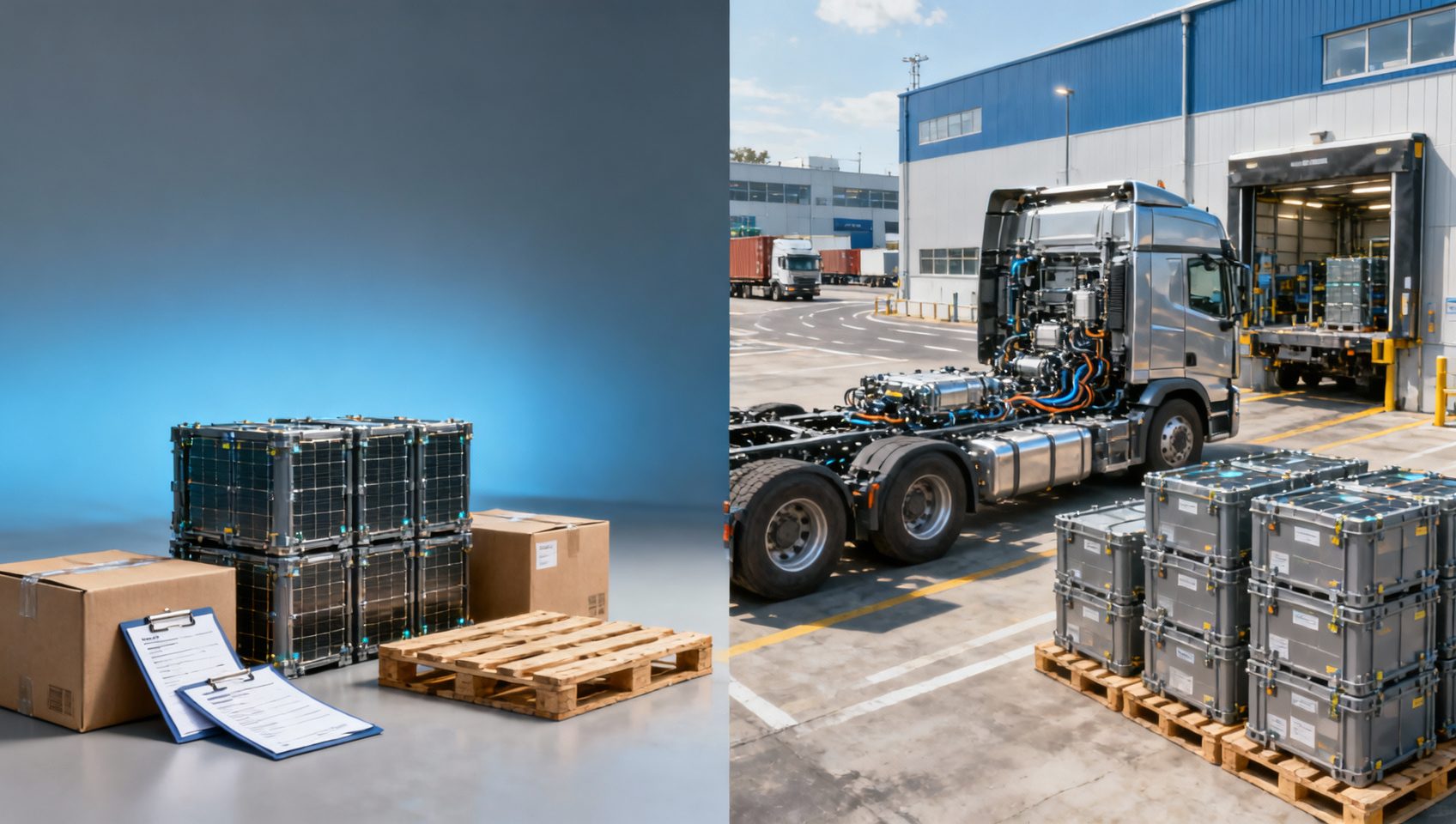
On July 27, 2026, Hungary’s new government began a broad labor and environmental compliance review of BYD’s newly built battery plant in Hungary, with checks focused on residence permits, social security contributions, and environmental exemption documents. The review has also extended to Chinese battery system suppliers involved in the same supply chain, making this a point of close attention for new-energy heavy truck makers, battery vendors, customs workflows, and EU market access planning.
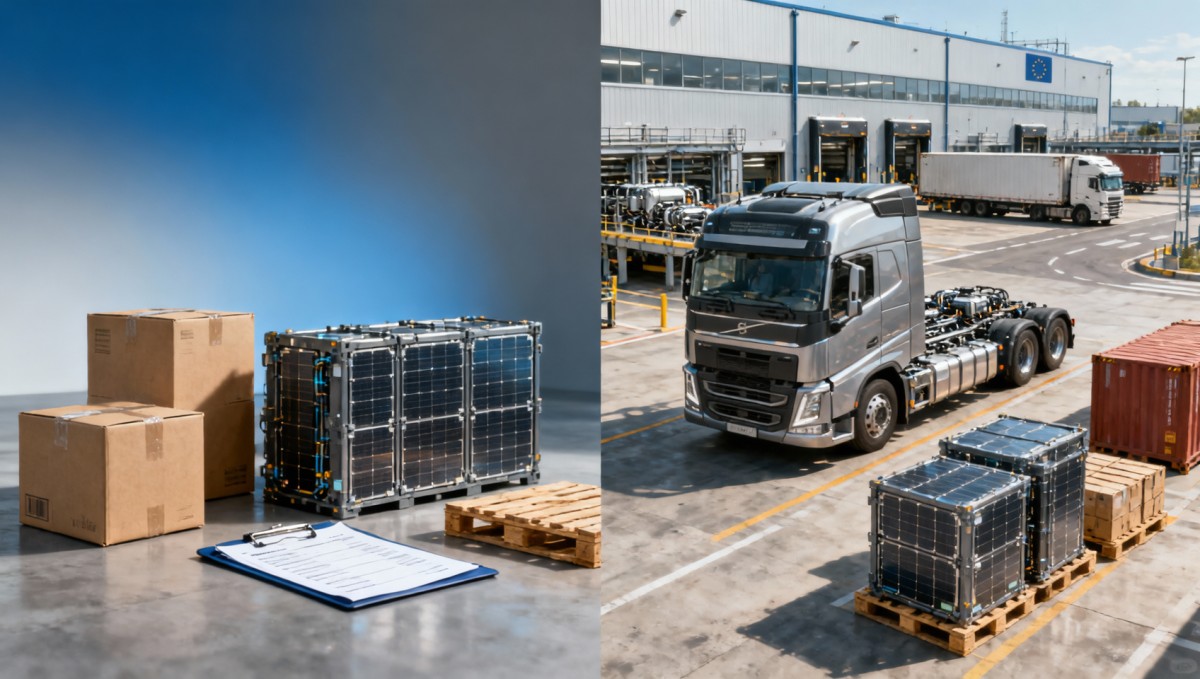
What the review is checking
The confirmed facts are limited to the following: Hungary’s new government has launched a comprehensive compliance review of BYD’s new battery plant in Hungary; the review is examining labor and environmental compliance issues; and the key documents under scrutiny include residence permits, social security payments, and environmental exemption filings. The review has also reached Chinese battery system suppliers participating in the supply chain.
According to the provided information, the importance of this move is that new-energy heavy trucks rely heavily on power-battery export certification and localized assembly. As a result, the review may directly affect the pace at which new-energy heavy trucks and related three-electric system products enter the EU market, pass customs clearance, and maintain stable long-term cooperation.
Where the supply chain may feel the pressure
Battery and system suppliers
From an industry perspective, suppliers connected to the battery chain are likely to face the earliest friction because document review can affect shipment readiness, customs timelines, and customer acceptance arrangements. The main business link to watch is whether compliance materials, export certification files, and supplier-side records remain aligned with the plant-level review.
Heavy truck assemblers and downstream buyers
For new-energy heavy truck assemblers and buyers, the immediate concern is not just the plant itself but the rhythm of vehicle and system delivery into the EU. Any delay in certification or localized assembly coordination can affect delivery schedules, import handling, and the stability of ongoing procurement arrangements.
Logistics and customs-related service providers
Service providers handling customs, warehousing, and cross-border delivery may also see procedural changes first. What deserves closer attention is whether additional document checks lengthen clearance time or require more frequent coordination among suppliers, assemblers, and local compliance teams.
What companies should watch next
Track official follow-up wording
Companies should continue monitoring whether Hungarian authorities release further clarifications on the scope of the review and the specific compliance items being checked. At this stage, the event should be treated as an active compliance signal rather than a closed outcome.
Review documentation chains early
Suppliers and assemblers should verify whether residence, social insurance, labor, and environmental exemption documents are complete and consistent across parties. In a cross-border battery supply chain, mismatches in paperwork can become an operational issue even before any formal decision is made.
Separate policy signal from business execution
It is more appropriate to understand this as a regulatory and operational risk that may affect delivery and market access timing, rather than as a confirmed long-term market shift. The practical question for firms is how quickly they can keep production, certification, and customs records aligned if the review expands.
Prepare customer communication paths
For firms supplying EU-facing new-energy heavy truck programs, customer communication should focus on delivery windows, document readiness, and substitution planning where possible. That matters most when localized assembly depends on imported battery systems and the approval process becomes less predictable.
A signal worth watching, not a final conclusion
Analysis shows that this is best read as a compliance-driven market signal with immediate operational relevance. It is not enough to treat it as a single factory inspection, because the review has already extended to suppliers in the same chain and could affect how the EU market handles new-energy heavy truck vehicles and three-electric systems in practice.
At the same time, the available information does not support a conclusion about final outcomes. The more defensible view is that this event raises the cost of compliance coordination and makes document integrity, customs timing, and local cooperation stability more important than before.
Source basis and follow-up
This article was generated based on the user-provided news title, event date, and event summary. Common source types for this kind of development would include official announcements, company statements, industry association updates, authoritative media reporting, and standards-related documents. Specific official source links were not provided in the input, so they should continue to be verified as new information emerges.
What still needs monitoring is whether Hungarian authorities expand the review, narrow it, or publish further procedural details, and whether that changes the clearance and delivery rhythm for EU-bound new-energy heavy truck supply chains.
NAVIGATION
Send Us A Message