



News
Explore what’s going on around the industry and get the latest from the world of heavy equipment and earth-moving.
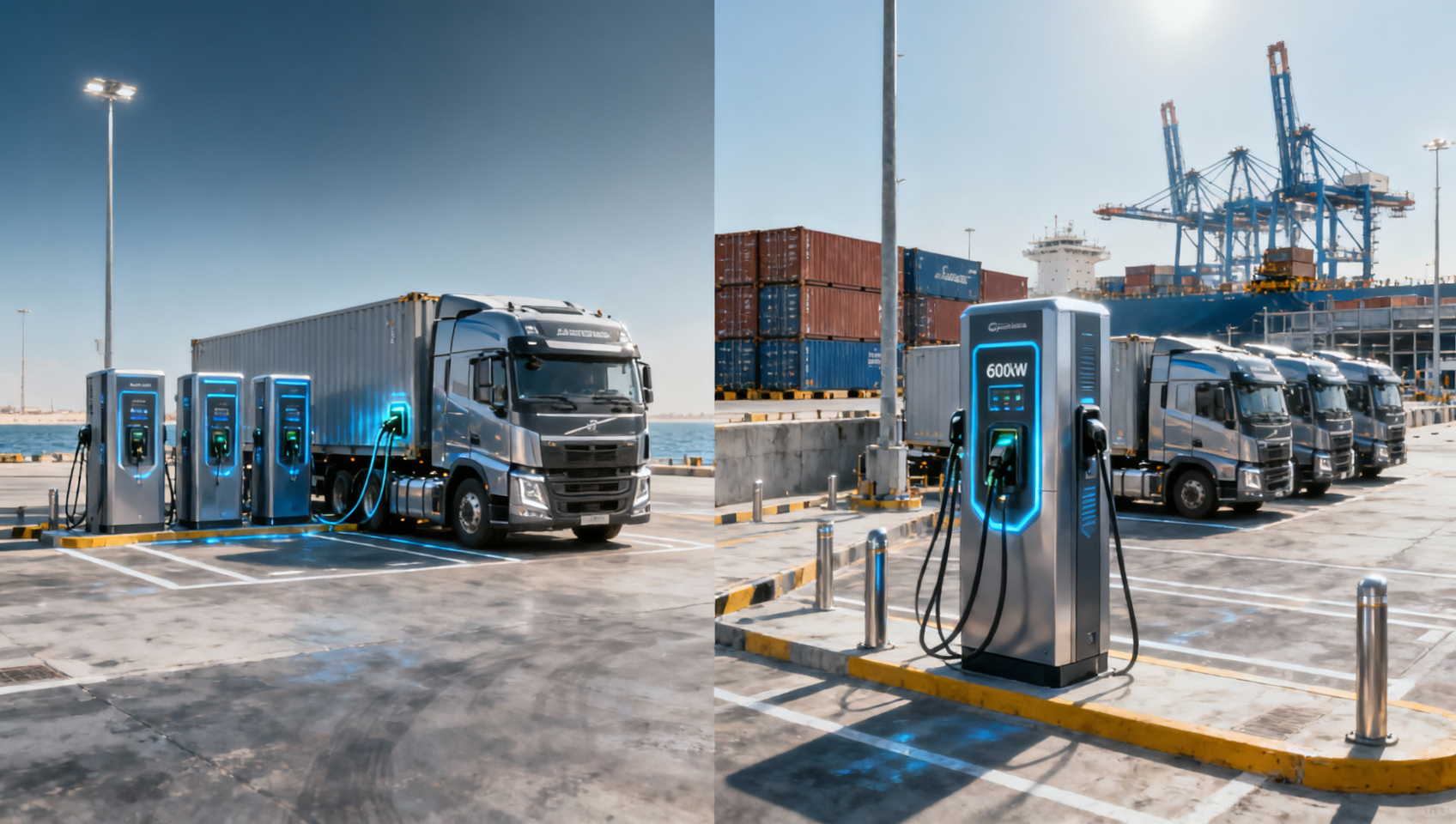
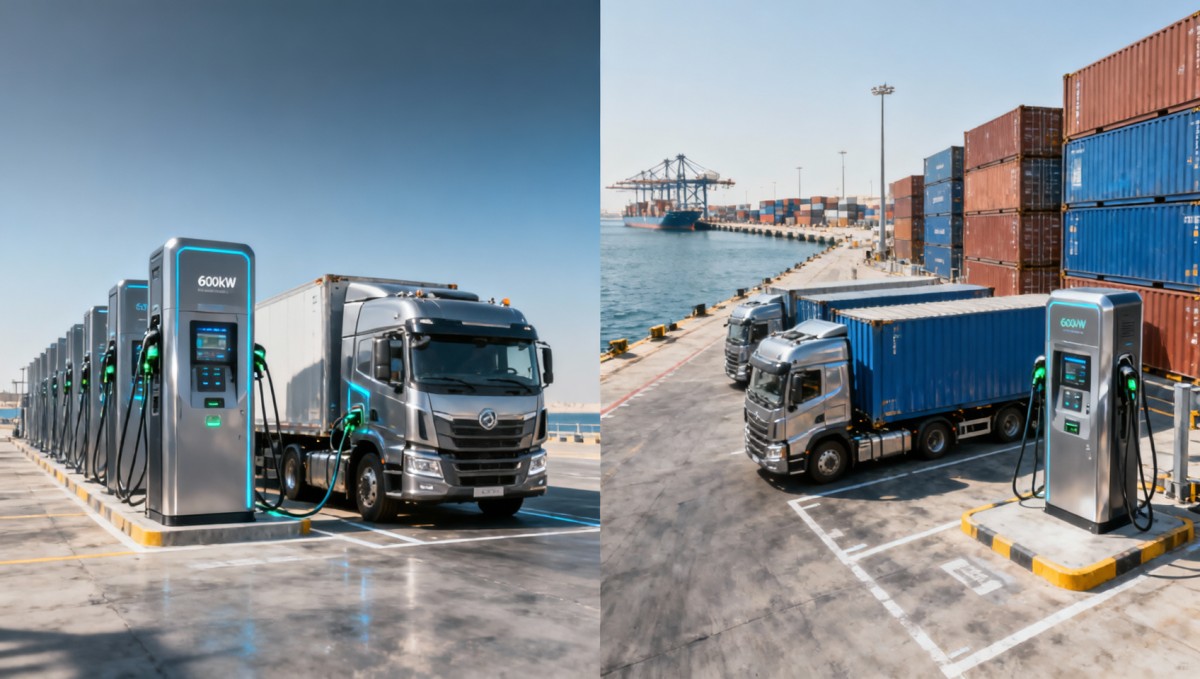
Huawei’s move from product launch to overseas deployment is now visible in a concrete logistics scenario. Based on the information provided for this report, Huawei announced a megawatt-class liquid-cooled ultra-fast charging ecosystem for heavy trucks in Shanghai on August 7, 2026, and said it had signed joint overseas charging infrastructure agreements with SANY Heavy Truck and Geely Farizon Heavy Truck. On August 12, the first batch of 600 kW liquid-cooled chargers, designed for heavy-truck wide-voltage platforms ranging from 500 to 1000 V, was shipped to Abu Dhabi Port for a newly built Chinese-invested new-energy logistics hub.
This matters less as a standalone equipment shipment than as a sign that a bundled export model is moving into execution. The information available points to a "vehicle + charging + operations" approach rather than a simple sale of charging hardware. In practical terms, that suggests overseas expansion for electric heavy trucks may increasingly depend on whether vehicle makers, charging suppliers, and site operators can enter a market together with an integrated operating plan.
Why this shipment stands out
The update indicates that the charging side is being built around heavy-truck requirements from the outset. The 600 kW liquid-cooled chargers are described as compatible with 500–1000 V wide-voltage platforms, which implies an attempt to serve more than one vehicle architecture within a single deployment logic. For logistics operators, that kind of compatibility could matter because charging infrastructure for commercial fleets has to support utilization, scheduling, and uptime, not just technical peak power.
It also signals that overseas heavy-truck electrification is being treated as an operational system. Passenger-car charging networks can often expand through broader retail-style coverage, but heavy-truck charging usually depends on concentrated routes, depots, ports, and logistics nodes. The Abu Dhabi Port destination, together with the linked logistics hub, points to a use case where charging availability is tied directly to freight movement and fleet operations.
What the industry should watch next
From the current information, the most important question is not whether the first batch has shipped, but whether the integrated model can be reproduced. If similar projects continue, the industry may see overseas commercial-vehicle electrification judged less by isolated vehicle launches and more by the ability to deliver coordinated infrastructure around actual operating sites.
There are several areas worth watching in follow-up disclosures. One is how quickly the shipped chargers move from delivery to commissioning and regular use. Another is whether more heavy-truck makers join similar arrangements, which would indicate broader acceptance of joint infrastructure export. A third is whether future public information shows the operating side in more detail, because the long-term value of this model will likely depend on day-to-day fleet economics and site reliability rather than launch-stage announcements alone.
This article is based solely on the event details provided here. For subsequent developments, the most useful references will be official company announcements, public project updates, and authoritative industry reporting related to vehicle deployment, charging site commissioning, and overseas logistics operations.
NAVIGATION
Send Us A Message