



News
Explore what’s going on around the industry and get the latest from the world of heavy equipment and earth-moving.
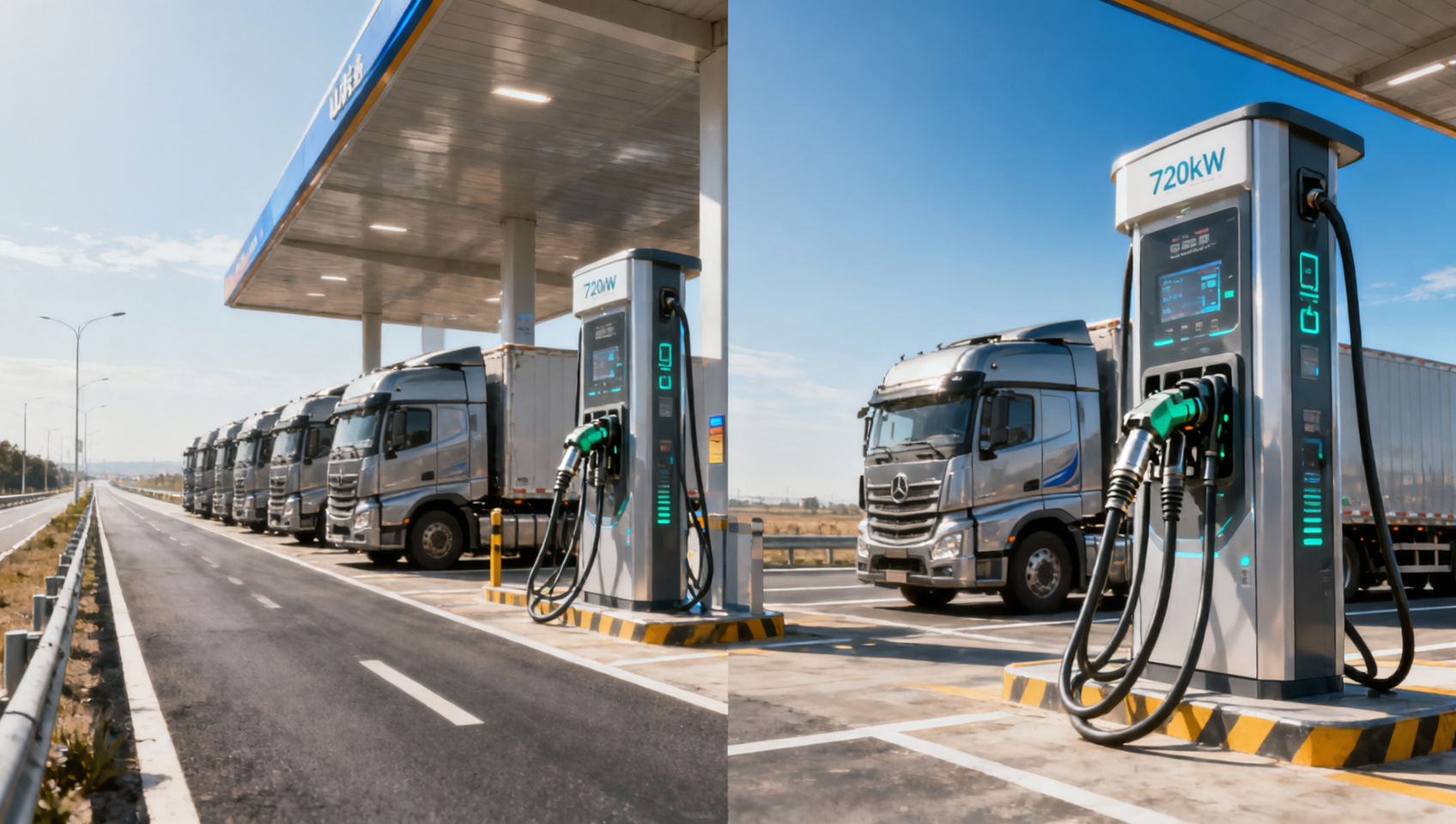
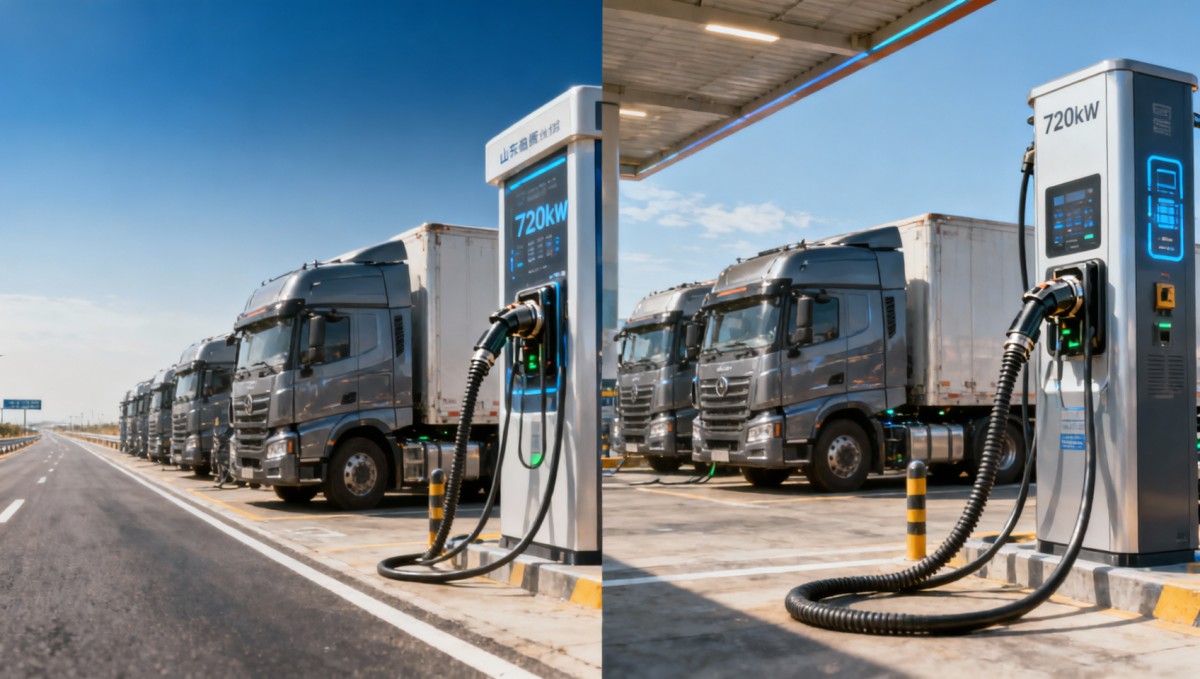
Linyi has become the province’s leading city in the first batch of national and provincial highway charging demonstration sites for electric heavy trucks in Shandong, with 10 locations selected as of August 13, 2026. According to the information provided, the first group of sites is scheduled to be fully operational by the end of August, with each charging gun rated at no less than 720kW. All of the stations will also be connected to a provincial intelligent supervision service platform and support multilingual app-based search.
This matters because it addresses one of the most practical constraints in electric heavy-truck deployment: reliable high-power charging on long-distance trunk routes. For logistics operators, vehicle buyers, and service providers, charging availability on major road corridors often carries as much weight as vehicle specifications themselves. In that context, Linyi’s progress is not just a local infrastructure update; it is a signal that road-based charging support for heavy commercial vehicles is moving toward a more operational stage.
Why the Demonstration Sites Stand Out
The confirmed details point to two features with immediate industry relevance. First is charging power. A threshold of at least 720kW per gun indicates that these stations are being positioned for the operational demands of heavy trucks rather than for passenger-vehicle use cases. Second is platform integration. Full connection to a provincial intelligent supervision platform suggests a stronger focus on visibility, management, and service coordination, while multilingual app access improves usability for a wider range of drivers and fleet operators.
From an industry perspective, the combination of high-power equipment and digital supervision is more important than station count alone. It speaks to whether charging infrastructure can be used in a predictable, monitorable, and scalable way in freight operations. That distinction is especially relevant in heavy-duty transport, where downtime, route planning, and after-sales support are closely linked.
Implications for Cross-Border and Long-Haul Assessment
The information provided specifically highlights the value of these sites for cross-border transport and for importers in regions such as the Middle East and Latin America that are evaluating electric heavy trucks for long-distance logistics. The significance here is practical rather than promotional. Infrastructure examples like this can serve as evidence when overseas buyers assess whether vehicle range claims can be supported by real operating conditions and whether the wider service ecosystem is developing alongside the vehicles themselves.
That does not by itself prove broad commercial readiness across every route or market. However, it does provide a more concrete reference point for discussions around route compatibility, charging turnaround, and operational support. For international buyers and partners, the credibility of electric heavy-truck adoption often depends on these surrounding conditions, not only on the truck platform.
What the Market May Watch Next
From the current information, the next points worth tracking are not broad industry narratives but specific follow-through. These include whether all first-batch sites enter service on schedule by the end of August, how effectively the provincial supervision platform supports real-world operations, and whether multilingual access translates into easier use for fleets operating across regions. The pace at which these stations are used in actual trunk logistics scenarios may also become an important indicator.
This article is based solely on the event title, date, and summary provided here. For subsequent developments, the most useful public signals are likely to come from official announcements, regulatory updates, and other authoritative industry reporting related to site commissioning, platform operation, and road-freight charging deployment.
NAVIGATION
Send Us A Message