



News
Explore what’s going on around the industry and get the latest from the world of heavy equipment and earth-moving.
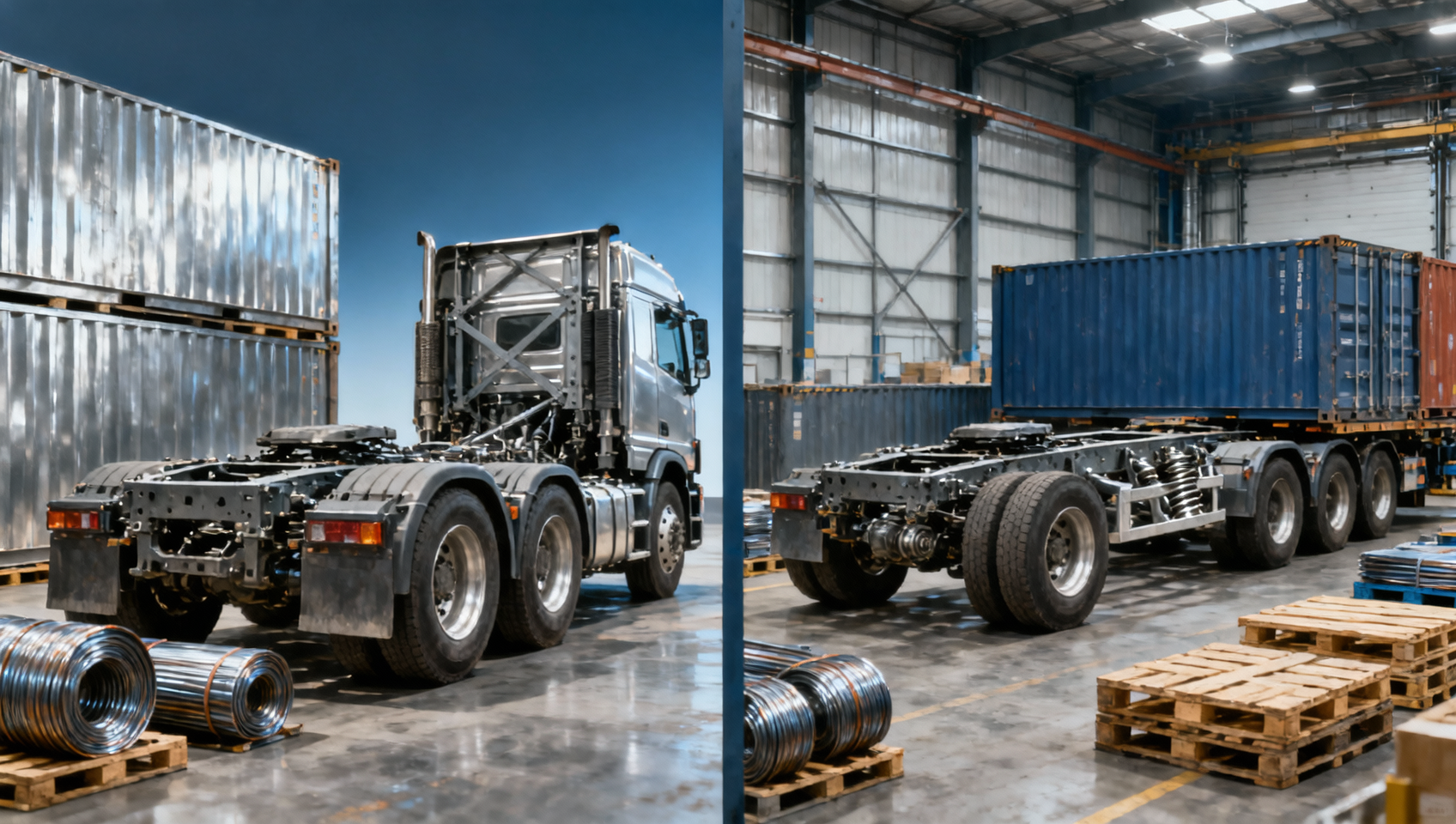
On July 27, 2026, Bloomberg reported that Mexico had indicated under the USMCA framework that it was willing to follow the United States in applying additional Section 232-style tariffs to steel and aluminum products from China. For companies involved in heavy truck chassis structure parts, axles, suspension systems, and related sourcing and delivery work, this matters because the proposed rule direction could change import costs, supplier choices, and delivery planning across parts of the Latin American market.
What has been signaled so far
The confirmed information is limited but commercially relevant. According to the reported statement dated July 27, 2026, Mexico expressed a willingness within the USMCA framework to emulate the US approach by imposing additional tariffs similar to Section 232 on steel and aluminum products made in China.
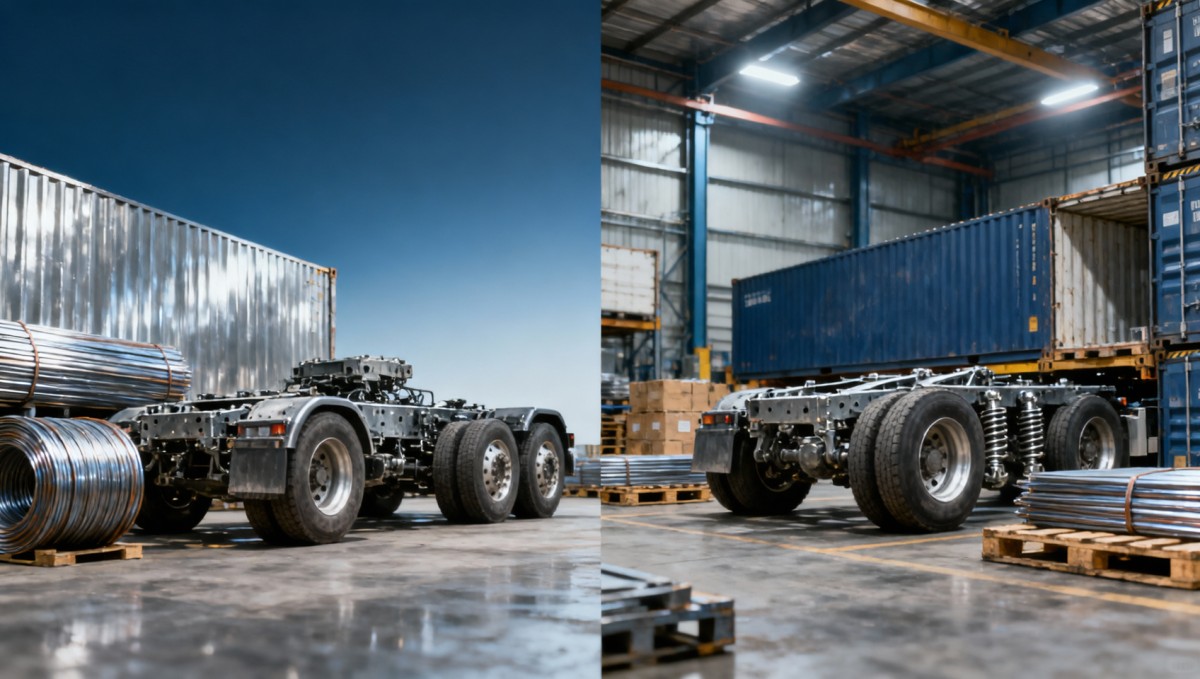
The event summary also indicates that heavy truck chassis structural parts, axles, and suspension systems rely extensively on steel manufactured in China. If such a policy is implemented, purchasing costs for importers in Latin America could rise materially. The same summary notes that this could push some procurement toward Southeast Asian suppliers or local secondary suppliers, with possible effects on order delivery stability and technical consistency.
Where the pressure could first appear in the supply chain
Importers facing direct landed-cost exposure
From an industry perspective, the most immediate exposure would likely sit with importers that buy finished parts or steel-intensive components for heavy truck applications. Their risk is not only a higher purchase price, but also the need to reassess whether current sourcing assumptions, import documents, and supplier declarations remain workable if a tariff-based rule change moves from statement to execution.
Parts buyers balancing cost against specification stability
Procurement teams for chassis-related components may be affected because these products are closely tied to steel input choices. Analysis shows that if buyers shift away from current supply sources to avoid higher tariff exposure, the operational issue is not simply substitution. They may also need to watch for changes in technical documentation, material traceability, and consistency between ordered specifications and delivered parts.
Manufacturers and assemblers managing delivery risk
For processors, assemblers, and other manufacturing users of these parts, the main pressure point could be delivery execution. Observably, any abrupt movement toward alternative suppliers may affect lead time coordination and batch-to-batch consistency, especially where chassis structure parts, axles, or suspension systems are integrated into broader production or aftersales commitments.
Supply chain service providers watching documentation and routing
Logistics coordinators, trade service providers, and related compliance functions may also need to pay closer attention if the policy advances. What deserves closer attention is whether customers begin changing sourcing origins, shipment structures, or supporting trade paperwork in response to tariff exposure. Even without confirmed implementation details, this kind of policy signal can alter planning assumptions before formal execution begins.
What companies should monitor now
Track the official wording and execution scope
The reported development should not yet be treated as a fully executed outcome. It is more appropriate to understand this as a rule signal that requires continued monitoring. Companies should therefore watch for any official clarification on scope, covered product categories, and the practical interpretation of a Section 232-style measure in this context.
Review sourcing files for steel-dependent components
Businesses handling heavy truck chassis structure parts, axles, and suspension systems should recheck which products are most dependent on Chinese steel inputs. Analysis shows that this is where cost sensitivity and delivery disruption are most likely to converge if the proposed tariff approach moves forward.
Prepare technical and quality records for supplier changes
If buyers consider alternative procurement from Southeast Asia or local secondary suppliers, the transition risk may extend beyond pricing. What deserves closer attention is the readiness of technical files, test records, product specifications, and quality traceability materials needed to compare replacement sources without creating avoidable inconsistency in delivered parts.
Reassess delivery commitments and aftersales exposure
Companies with open orders or downstream service obligations may also need to test whether their current delivery schedules assume uninterrupted sourcing from the existing supply base. Observably, a sourcing shift can affect not only procurement timing but also quality follow-up, replacement parts handling, and responsibility for product consistency after delivery.
Why this looks more like a policy signal than a settled outcome
Analysis shows that the current value of this development lies less in a confirmed tariff outcome and more in the direction of trade policy coordination it suggests. The report points to Mexico signaling alignment with the United States under the USMCA framework, but the input provided does not establish detailed execution rules, formal tariff schedules, or implementation timing.
For that reason, it is more appropriate to understand this as an early but meaningful compliance and procurement signal. Industry attention should remain focused on whether the statement evolves into enforceable trade measures, how procurement documents and technical specifications respond, and whether market participants begin adjusting sourcing before formal rules are finalized.
How the market is likely to read this stage
The industry significance of this event lies in its potential to connect trade policy with procurement practice for steel-intensive heavy truck parts. It does not yet confirm a completed regulatory outcome, but it does highlight a plausible shift in tariff exposure, sourcing decisions, and delivery risk for companies active in related import and supply chains.
At this stage, a neutral reading is the most appropriate one: the development is best understood as a rule-related signal with practical implications, rather than as a fully settled market condition. The next points of attention are execution details, sourcing responses, and whether technical consistency becomes harder to maintain if buyers move toward substitute suppliers.
Basis of this article
This article is based on the user-provided news title, event date, and event summary. For events of this kind, commonly relevant source types may include official government notices, regulator releases, customs or trade authority updates, industry association information, standard-setting documents, and reporting by established media outlets.
No specific official source link was provided in the input, so the official documentary basis still needs to be verified on an ongoing basis. Further observation is also needed on policy details, compliance interpretation, bidding or specification changes, industry feedback, and how affected companies actually adjust sourcing and delivery arrangements.
NAVIGATION
Send Us A Message