



News
Explore what’s going on around the industry and get the latest from the world of heavy equipment and earth-moving.
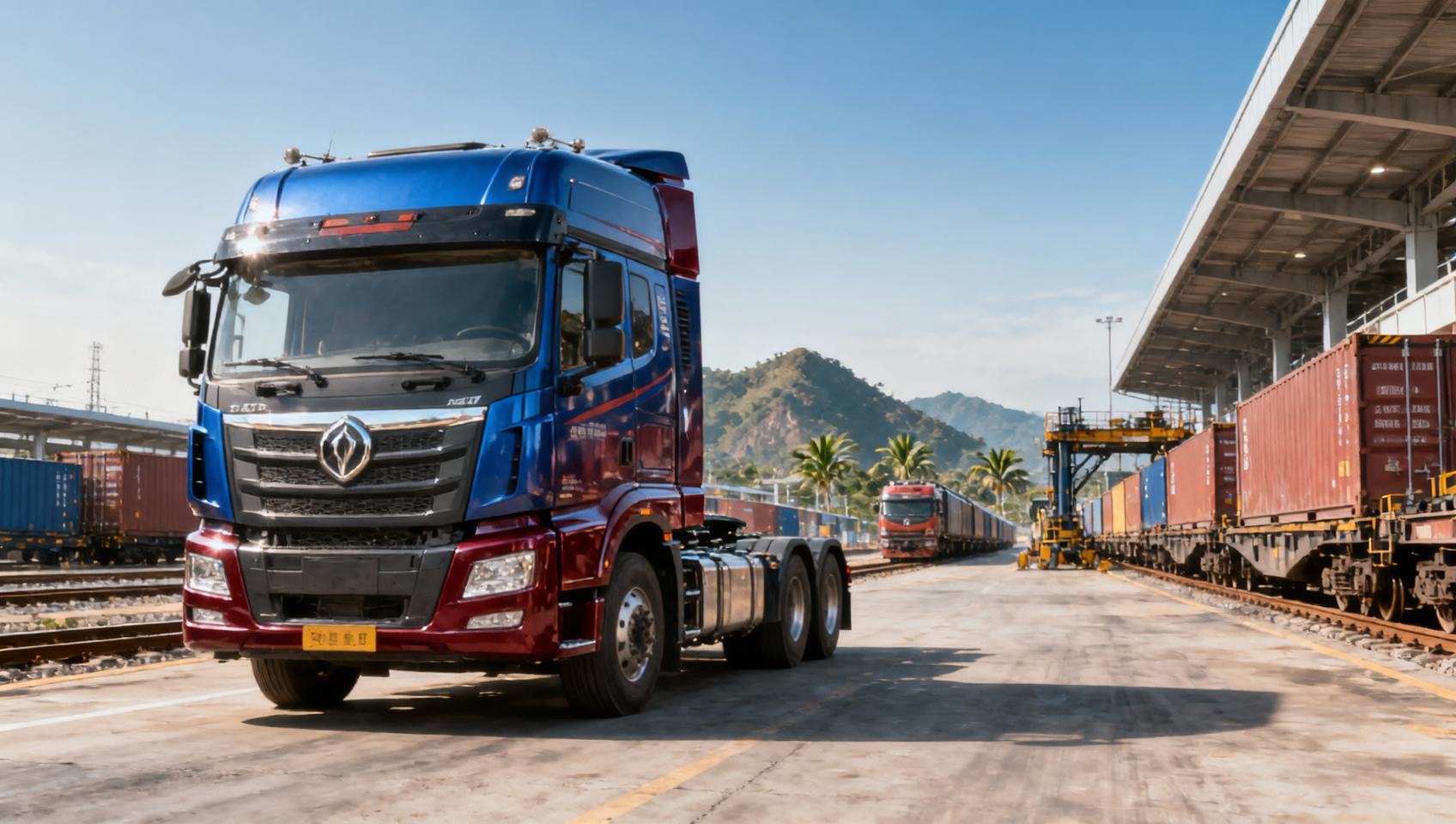
From January to July 2026, sustained growth in China’s heavy truck exports to emerging markets across Asia, Africa, and Latin America, together with a 29.9% year-on-year rise in cross-border cargo value on the China-Laos Railway, points to a meaningful change in trade execution conditions rather than a simple volume story. For exporters, overseas importers, distributors, procurement teams, and supply chain service providers, the development is worth watching because it affects how delivery reliability, inland transport options, customs efficiency, and supply continuity may now be assessed in markets that rely on cross-border land routes.
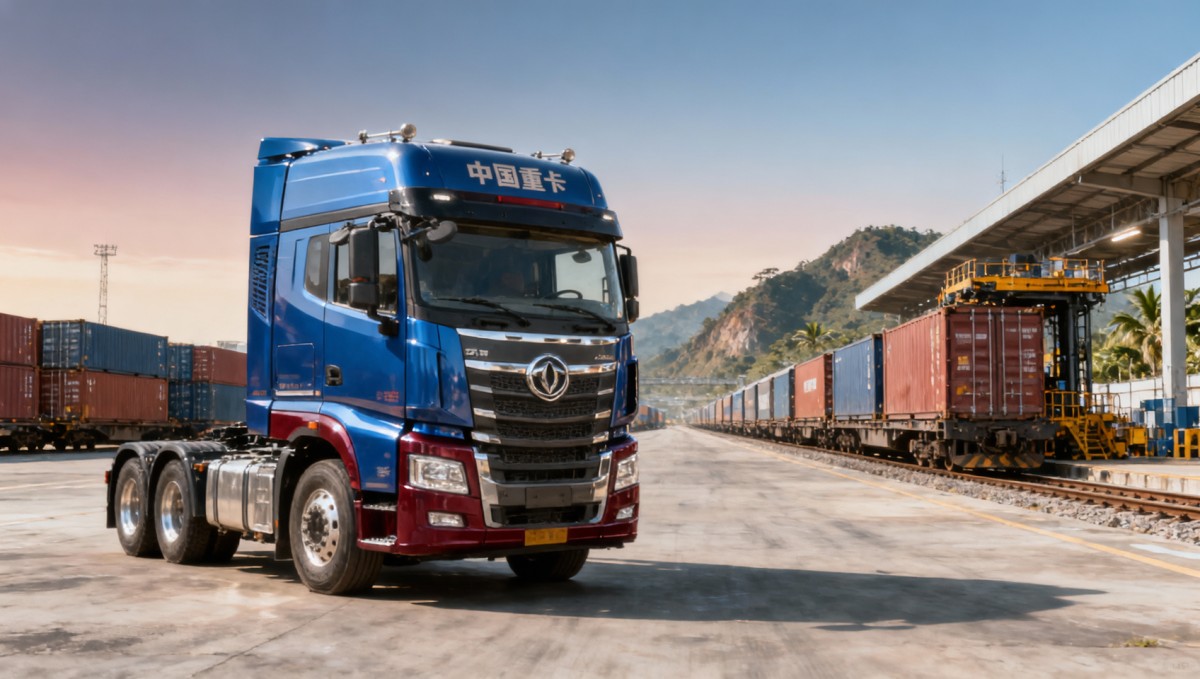
What the confirmed developments show
The confirmed facts are limited but commercially relevant. In the first seven months of 2026, China’s heavy truck exports to emerging markets in Asia, Africa, and Latin America maintained growth exceeding 40%. Over the same period, cross-border cargo value on the China-Laos Railway increased by 29.9% year on year to 20 billion yuan. The information provided indicates that this combination has improved delivery timeliness and supply chain resilience for regions including Southeast Asia and Central Asia, while offering overseas importers a stronger basis for evaluating export stability, logistics costs, and customs clearance efficiency. It also provides distributors that depend on land corridors with an alternative fulfillment route to sea transport.
Where the practical effects may appear first
Export transactions are likely to be reviewed through a delivery-risk lens
Analysis shows that direct trading companies and export-facing manufacturers may be affected first in contract execution and customer negotiations. When export growth is paired with improving rail-based cross-border cargo performance, buyers may place more attention on whether suppliers can support route-specific delivery commitments, shipment documentation, and customs coordination for inland corridors. What deserves closer attention is not a new formal regulation stated in the input, but a change in the operating environment that can influence how trade terms, dispatch planning, and delivery representations are evaluated by overseas customers.
Distributors and importers may reassess route selection and clearance planning
From an industry perspective, overseas importers and channel distributors are likely to focus on whether land-based fulfillment can reduce exposure to marine delays or improve replenishment predictability. The business impact would be felt in procurement scheduling, inventory positioning, and customs preparation. Companies in these roles should pay close attention to whether their existing import files, product descriptions, transport documents, and clearance workflows are suitable for a different logistics path, especially where inland transfer and border processing become more important to delivery performance.
Supply chain service providers may face higher scrutiny on coordination quality
Observably, freight coordinators, customs service providers, and related logistics operators may see rising expectations around route visibility, handoff timing, and document consistency. The relevance here is operational rather than speculative: if buyers begin to treat rail-linked delivery as a realistic alternative for certain orders, then execution quality across booking, customs submission, cargo transfer, and arrival confirmation becomes more material. Firms involved in these stages should monitor any change in customer requirements for shipment records, milestone reporting, and proof of compliance in cross-border movement.
What companies should watch next in execution
Check whether compliance files are route-ready
Analysis shows that exporters and importers should review whether existing product compliance files, technical descriptions, customs documentation sets, and shipment declarations are aligned with the route actually used for delivery. The input does not provide new certification rules or formal regulatory notices, so this should be treated as a precautionary compliance check rather than an already mandated change.
Revisit lead-time assumptions in procurement and tendering
What deserves closer attention is how delivery timing may now be presented in procurement plans, distributor replenishment cycles, and bid or tender submissions. Where contracts or commercial files include delivery commitments, companies should verify that the assumptions behind those commitments reflect the current logistics path being proposed. This is particularly relevant for buyers using land corridors as an alternative to sea freight.
Watch for shifts in customer documentation requests
Observably, improved confidence in export stability and customs efficiency can lead buyers to ask more detailed questions about shipment traceability, transport arrangements, and service support after delivery. Companies should be prepared to maintain organized records covering shipment documents, technical materials, and quality traceability information, even though the input does not confirm any new mandatory reporting requirement.
Keep after-sales and supply continuity connected
From an industry perspective, any change in fulfillment routes can affect spare-parts planning, warranty response timing, and distributor stock strategies. The practical issue is not that a new service rule has been announced, but that route changes can alter customer expectations on continuity and responsiveness. Firms should therefore connect logistics planning with after-sales preparedness rather than treating them as separate functions.
How this should be interpreted at this stage
Analysis shows that this development is more appropriate to understand as an execution signal with trade and compliance implications than as a clearly defined new policy regime. The information provided does not establish a new law, certification requirement, or formal regulatory threshold. Instead, it indicates changing conditions in export performance and cross-border logistics that may influence how market participants evaluate reliability, cost, and clearance efficiency. That is why continued attention to official wording, operating practice, and market feedback remains necessary before treating the change as a settled rule shift.
Why the market is paying attention
The significance of this update lies in its effect on decision-making across export sales, procurement, distribution, and logistics execution. It suggests that route diversity and cross-border rail capacity are becoming more relevant to how heavy truck trade into emerging markets is assessed. A neutral reading is that the development strengthens the case for closer review of delivery planning and compliance readiness, but it does not by itself prove a permanent shift in market structure or a finalized regulatory outcome.
Basis of this article and points still requiring verification
This article is based on the user-provided news title, event time frame, and event summary. For developments of this kind, relevant source categories would typically include official announcements, information from regulatory authorities, customs or trade administration releases, industry association updates, standard-setting documents, and reporting by authoritative media. No specific official source link was provided in the input, so any formal policy detail, enforcement interpretation, or documentary requirement still needs ongoing verification. Areas that remain worth monitoring include later policy clarification, certification and compliance interpretation, changes in tender documents, market feedback from importers and distributors, and how companies implement route-related delivery arrangements in practice.
NAVIGATION
Send Us A Message