


News
Explore what’s going on around the industry and get the latest from the world of heavy equipment and earth-moving.
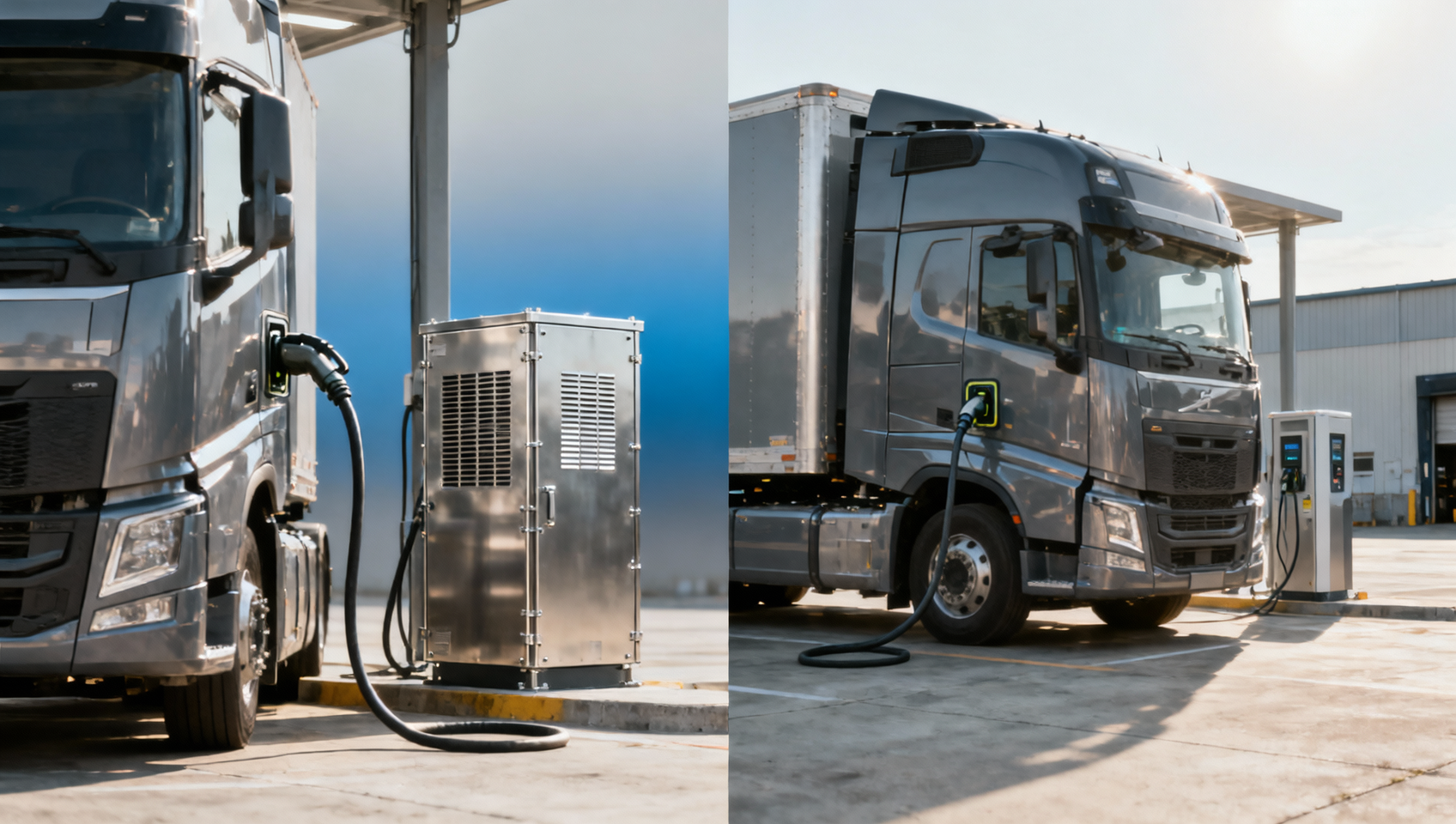
TBEA has begun mass production of its first independently developed solid-state transformer in Tianjin, with initial customers concentrated in heavy-duty truck ultra-fast charging. The event date is not specified in the supplied information. Although the announcement identifies no new policy, standard or certification requirement, it signals a move toward engineering delivery that may affect equipment procurement, technical qualification and project acceptance. For charging operators, equipment integrators and engineering contractors, the practical question is how the product's stated applications translate into documented project requirements.
One Platform Targets Five Application Areas
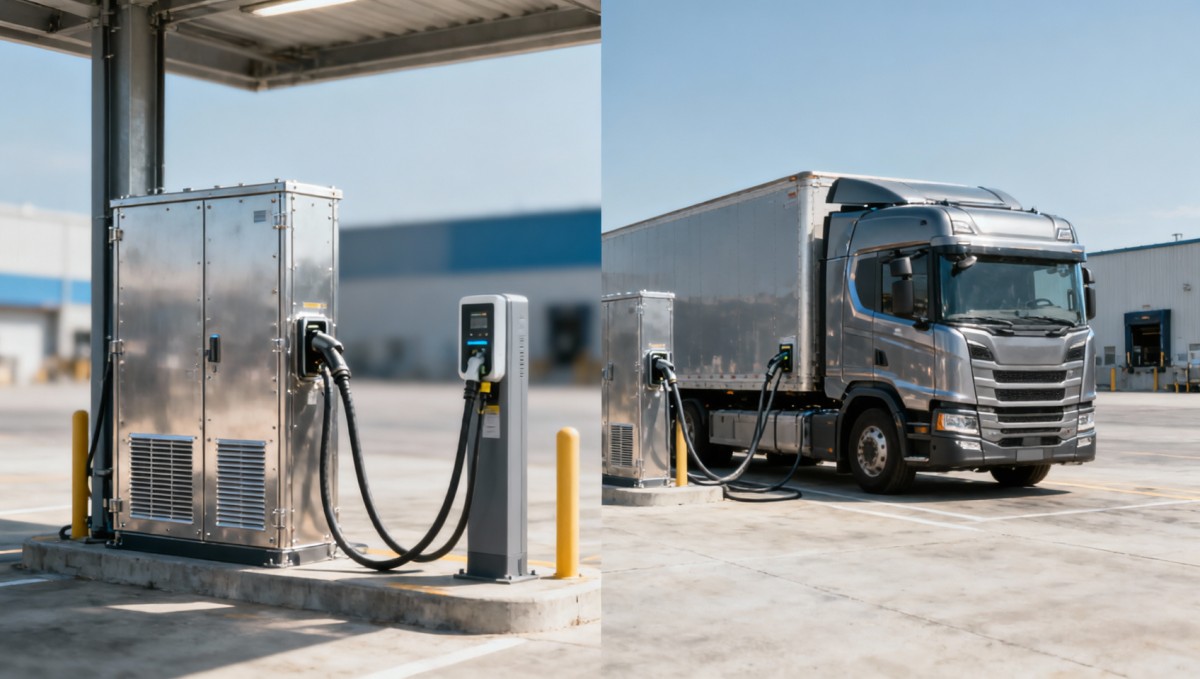
According to the supplied summary, TBEA's independently developed solid-state transformer has entered mass production in Tianjin. Its first customers are concentrated in heavy-duty truck ultra-fast charging, where individual charging units require high power and charging time is a priority.
The product is available in indoor and outdoor versions. A single technology platform covers five application areas: artificial intelligence computing centers; heavy-duty truck ultra-fast charging and ship shore power; renewable energy facilities; integrated generation, grid, load and storage systems; and steelmaking and metallurgy.
The supplied information describes the launch as taking the technology from technical validation directly into engineering delivery. It provides no production volume, delivery schedule, certification status or detailed performance specifications.
Procurement Criteria May Become More Application-Specific
Truck charging buyers face a qualification decision
Analysis suggests that initial demand from heavy-duty truck charging could bring closer scrutiny of how equipment performs against a project's power and charging-time requirements. Procurement teams may need to establish whether supplier documentation supports their intended operating conditions and acceptance criteria. The announcement alone does not establish that any particular charging performance has been independently verified.
Integrators need to define the boundaries of a shared platform
From an industry perspective, coverage of five application areas may create opportunities for equipment integrators and engineering contractors to consider a common platform across different projects. However, the supplied information does not demonstrate that one configuration meets every application's requirements. Technical bid alignment may therefore depend on clearly identifying configuration, installation and interface assumptions for each proposed deployment.
Testing and service providers may need more detailed documentation
Analysis suggests that engineering delivery could increase attention to test evidence, installation instructions and maintenance responsibilities. Testing providers and after-sales contractors may need application-specific information before agreeing on their scope of work. These are potential project needs, rather than newly announced regulatory obligations or confirmed changes to certification procedures.
What Buyers Can Verify Before Committing to Delivery
Establish the applicable compliance basis
As a procurement recommendation, buyers could ask suppliers to identify the standards, assessments and supporting documents applicable to the proposed equipment and installation. The supplied material names no mandatory standard or certification scheme, so neither certification approval nor a change in regulatory requirements can be inferred from mass production.
Separate indoor and outdoor acceptance conditions
For project planning, buyers and contractors could confirm which version is being offered and assess its suitability for the intended installation environment. Any relevant environmental limits, protection provisions and installation conditions would need supporting technical documentation. The availability of both versions does not, by itself, establish suitability for a particular site.
Connect technical claims to contractual evidence
Analysis suggests that tenders and purchase agreements could benefit from a clear link between the proposed application, documented performance and agreed acceptance procedures. For truck charging projects, this could include clarification of the operating conditions behind power and charging-time claims. For other applications, buyers could request evidence relevant to their own use case rather than treating the five-area coverage statement as sufficient qualification.
Confirm supply and service arrangements
As a delivery precaution, project teams could verify manufacturing availability, configuration lead times, commissioning responsibilities and after-sales support before finalizing procurement schedules. Mass production is a confirmed element of the supplied account, but delivery capacity, service coverage and contractual commitments remain unspecified.
A Commercialization Signal, With Rule Changes Still Unconfirmed
At this stage, it is more appropriate to understand the announcement as a commercialization and engineering-delivery signal than as evidence of a regulatory change. The available information does not identify a revised industry standard, new market-access condition, certification decision or trade rule.
Editorial analysis suggests that the more relevant development to watch is whether subsequent tenders, technical specifications or acceptance arrangements introduce clearer requirements for solid-state transformer projects. Such developments could influence supplier qualification and procurement practice, but they have not been established by the supplied announcement.
Further evidence on application-specific testing, customer acceptance and delivery performance would also help distinguish broad platform coverage from demonstrated suitability in individual projects.
Evaluate the Production Milestone Through Project Evidence
The reported production launch gives prospective customers a concrete development to assess, particularly in heavy-duty truck ultra-fast charging. The neutral conclusion is that engineering delivery has become the central issue, while the applicable compliance requirements and project qualifications still need to be verified individually. Businesses can treat the announcement as a reason to begin technical evaluation without assuming that procurement approval or regulatory acceptance automatically follows.
Basis of This Article and Points for Further Verification
This article was prepared solely from the user-provided news title, event-time information and event summary. The event date was not specified, and no specific official source link was provided. The factual statements above reflect that supplied material; the procurement implications and recommendations are identified as analysis.
Further verification would require relevant company announcements and technical documentation, alongside any applicable regulatory publications, standards documents or certification records. Subsequent monitoring could focus on certification interpretations, tender requirements, project acceptance, company delivery performance and industry feedback. Any later claim of a policy or trade-rule change would require separate supporting evidence.
NAVIGATION
Send Us A Message