



News
Explore what’s going on around the industry and get the latest from the world of heavy equipment and earth-moving.
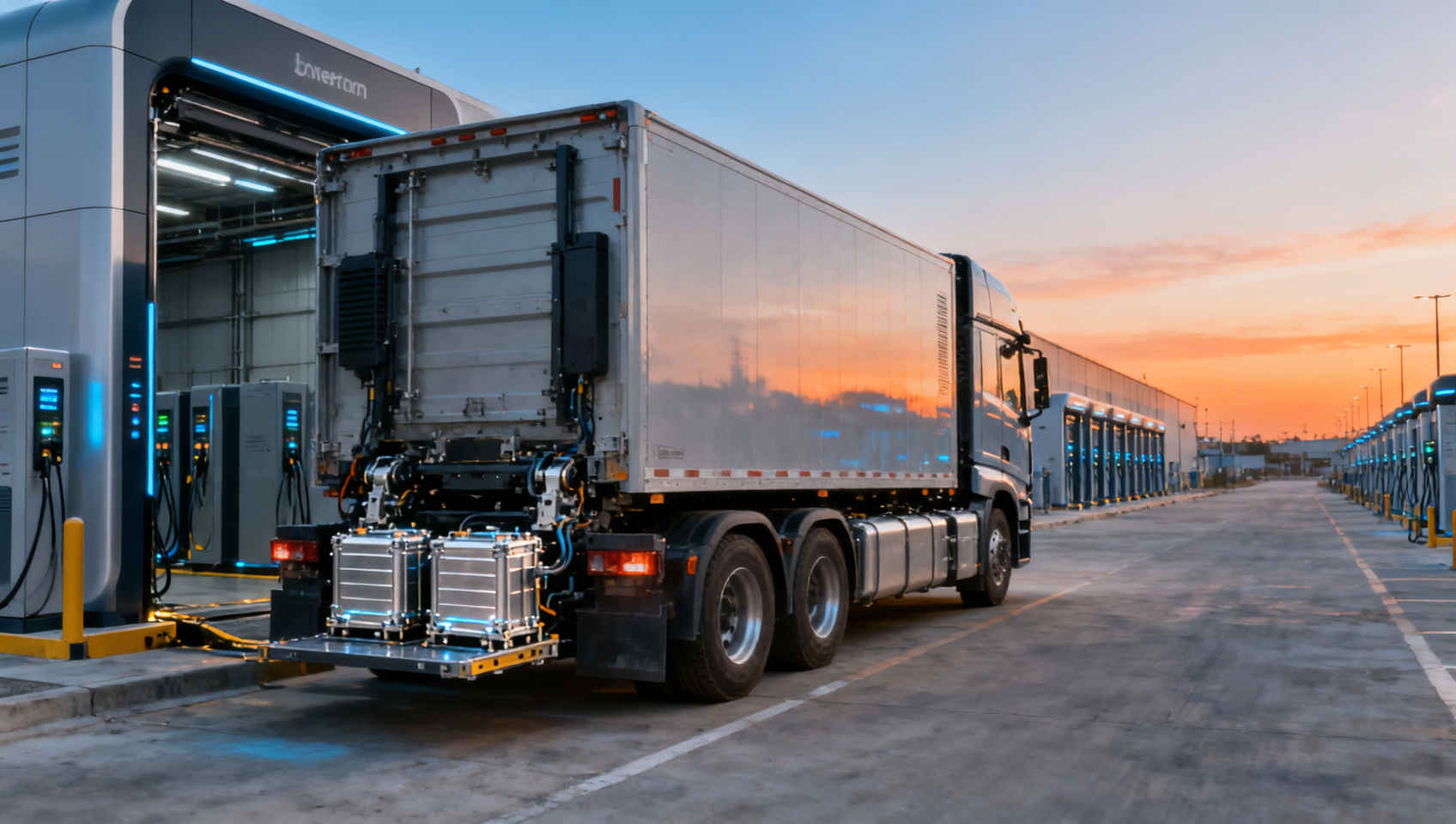
On October 20, CATL unveiled its Tianxing II heavy-truck product and the Qiji battery-swapping ecosystem. The company introduced the Tianxing II “electric-electric range-extender” heavy-truck solution, which separates the bottom-mounted battery-swapping system into two independently operated battery systems. The launch was accompanied by updates to battery-swapping stations, battery leasing and partner policies, as well as the release of four charging products.
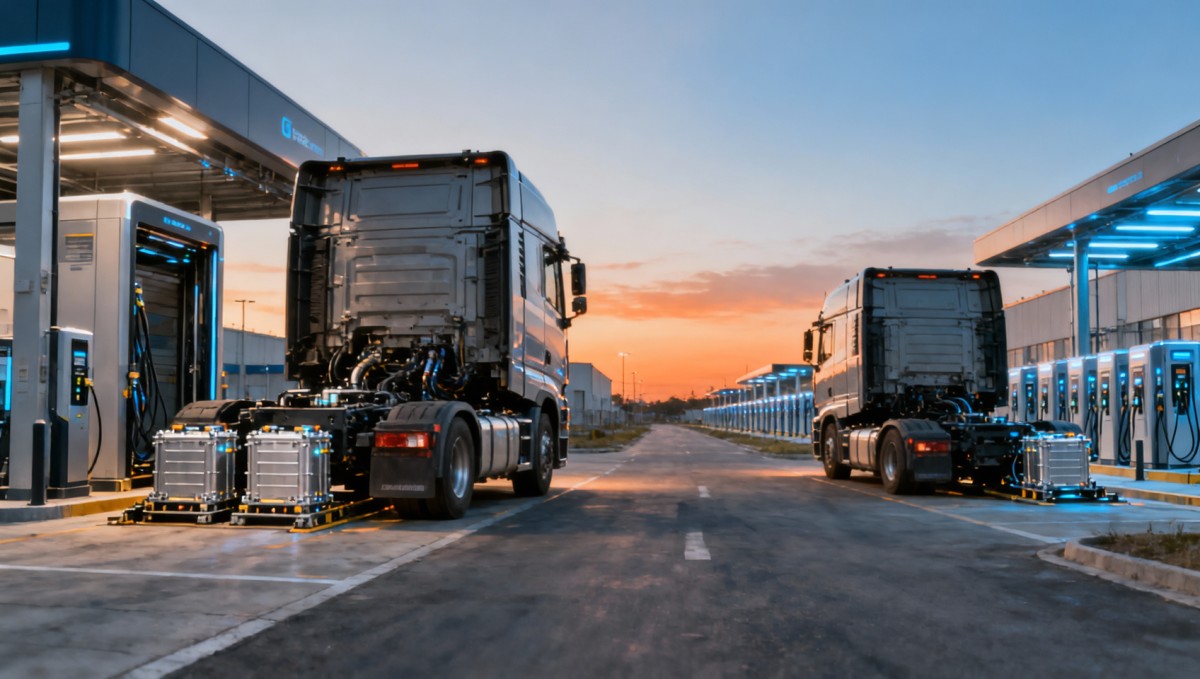
The solution is being launched directly for mass production, with initial agreements covering 13,000 vehicles. CATL also plans to build 900 heavy-truck battery-swapping stations by the end of 2026, increase that number to 2,000 in 2027 and ultimately deploy 10,000 stations.
What the solution signals for heavy-truck electrification
The two-battery architecture is the most significant product change disclosed in this release. By allowing the battery systems to operate independently, the solution may provide greater flexibility in how heavy trucks handle energy replenishment and route operations. The practical value of that design will depend on how it performs in actual fleet deployment, including its compatibility with the supporting swapping network and operating arrangements.
The 13,000-unit initial signing scale gives the launch a direct commercial dimension. It suggests that CATL is presenting Tianxing II as a solution linked to vehicle deployment, battery services and infrastructure construction rather than as a standalone truck product. For fleet operators, the issues to watch will include the availability of matching swapping stations, battery leasing arrangements and the implementation of partner policies.
The planned station expansion also makes network coverage a key variable. The targets for 2026, 2027 and the longer-term deployment provide a framework for assessing how quickly the Qiji ecosystem can support vehicle adoption. Whether the stated vehicle scale can translate into sustained operations will depend on the pace of station construction, the consistency of battery services and the rollout of the mass-produced product.
At this stage, the announcement supports a clear judgment that CATL is accelerating the integration of heavy-truck products, battery swapping, leasing and charging services. The broader effect on the heavy-truck market still requires continued observation of actual deliveries, station availability and the progress of the announced network plans.
NAVIGATION
Send Us A Message