



News
Explore what’s going on around the industry and get the latest from the world of heavy equipment and earth-moving.
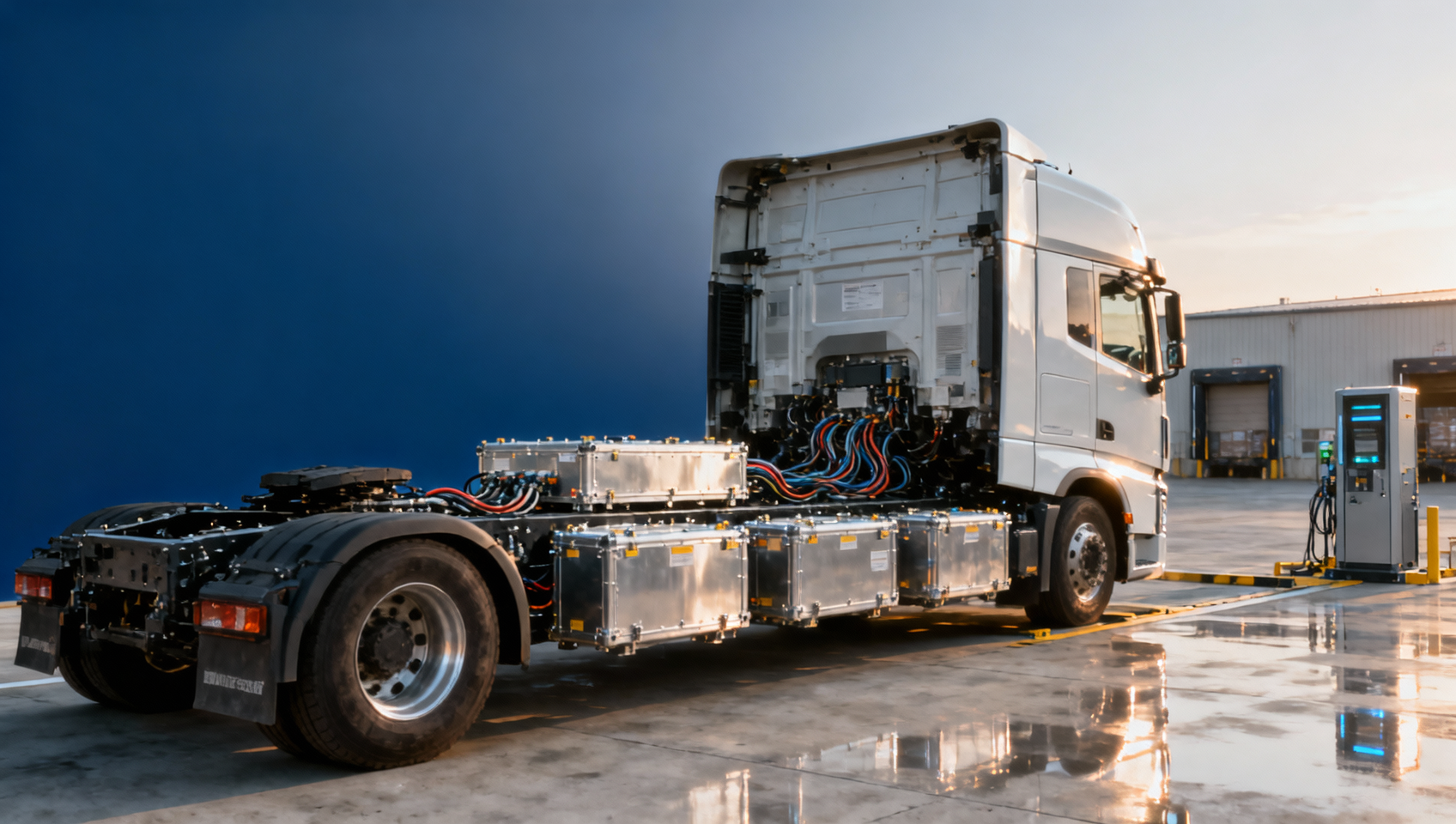
CATL unveiled an electric range-extension solution for heavy trucks in Beijing on October 20, 2026, alongside cooperation agreements covering an initial 13,000 vehicles. The agreements, signed with companies including China Post, SF Express and STO Express, accompanied the company's announcement that the solution was entering mass production at launch.
The system separates the underbody battery-swapping system into a main traction battery pack and an onboard range-extension pack. The main traction battery is offered through a leasing model, making battery configuration and leasing terms central to how fleet operators would evaluate the solution.
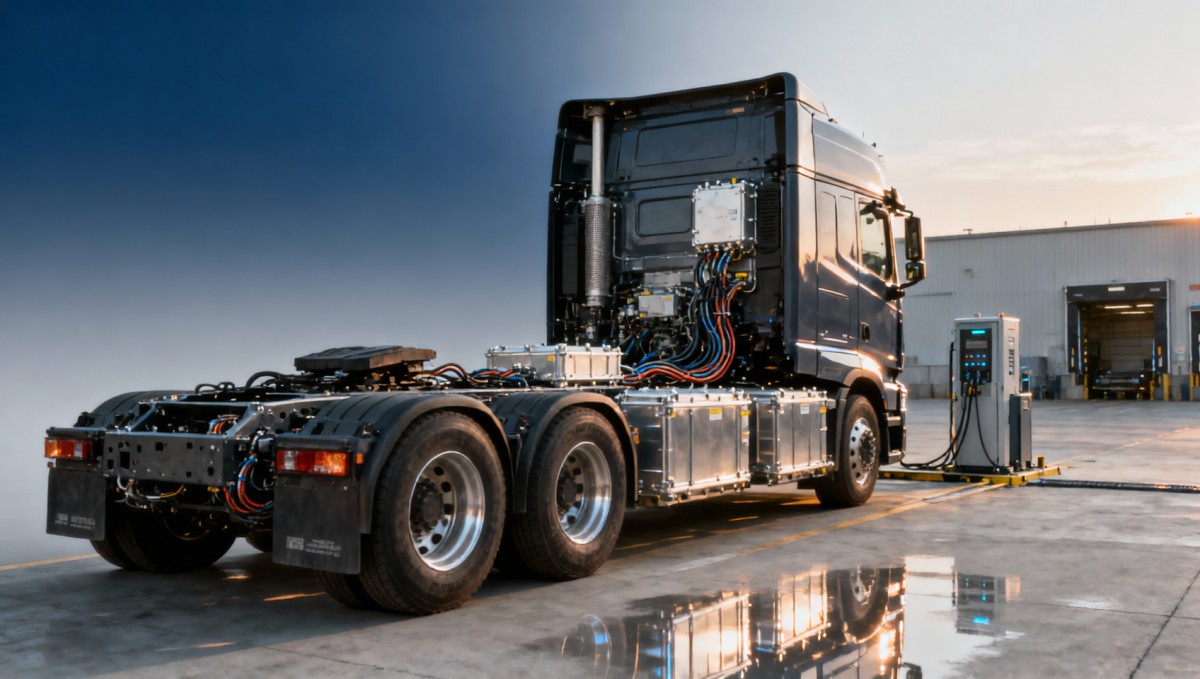
What the battery arrangement means for fleets
The defining feature is the separation of the main traction battery from the additional onboard battery capacity. Here, electric range extension refers to a battery-based arrangement. For operators assessing the system, the practical question is how the two packs would match the energy requirements of different routes and fit into existing vehicle schedules.
Leasing the main traction battery could also change the structure of fleet spending by shifting part of the battery cost into recurring payments. Whether that improves operating economics would depend on lease charges, contractual responsibilities and actual vehicle use. The leasing model alone does not establish a lower total cost of ownership.
Signed volume and operational deployment are different milestones
The initial agreements give the launch a defined commercial scope and connect the solution with postal, express delivery and logistics operations. They support a judgment that CATL is pursuing fleet deployment alongside the product introduction. The 13,000-unit figure represents signed cooperation, however, and should not be read as a count of vehicles already delivered or operating.
Similarly, the announcement of mass production at launch describes production status; it does not establish the pace of customer deployment. The next useful indicators will be delivery progress, the availability of compatible battery-swapping services along operating routes, and fleet operating results. Those developments will help show how the battery arrangement and leasing model translate into day-to-day transport performance.
NAVIGATION
Send Us A Message