



News
Explore what’s going on around the industry and get the latest from the world of heavy equipment and earth-moving.
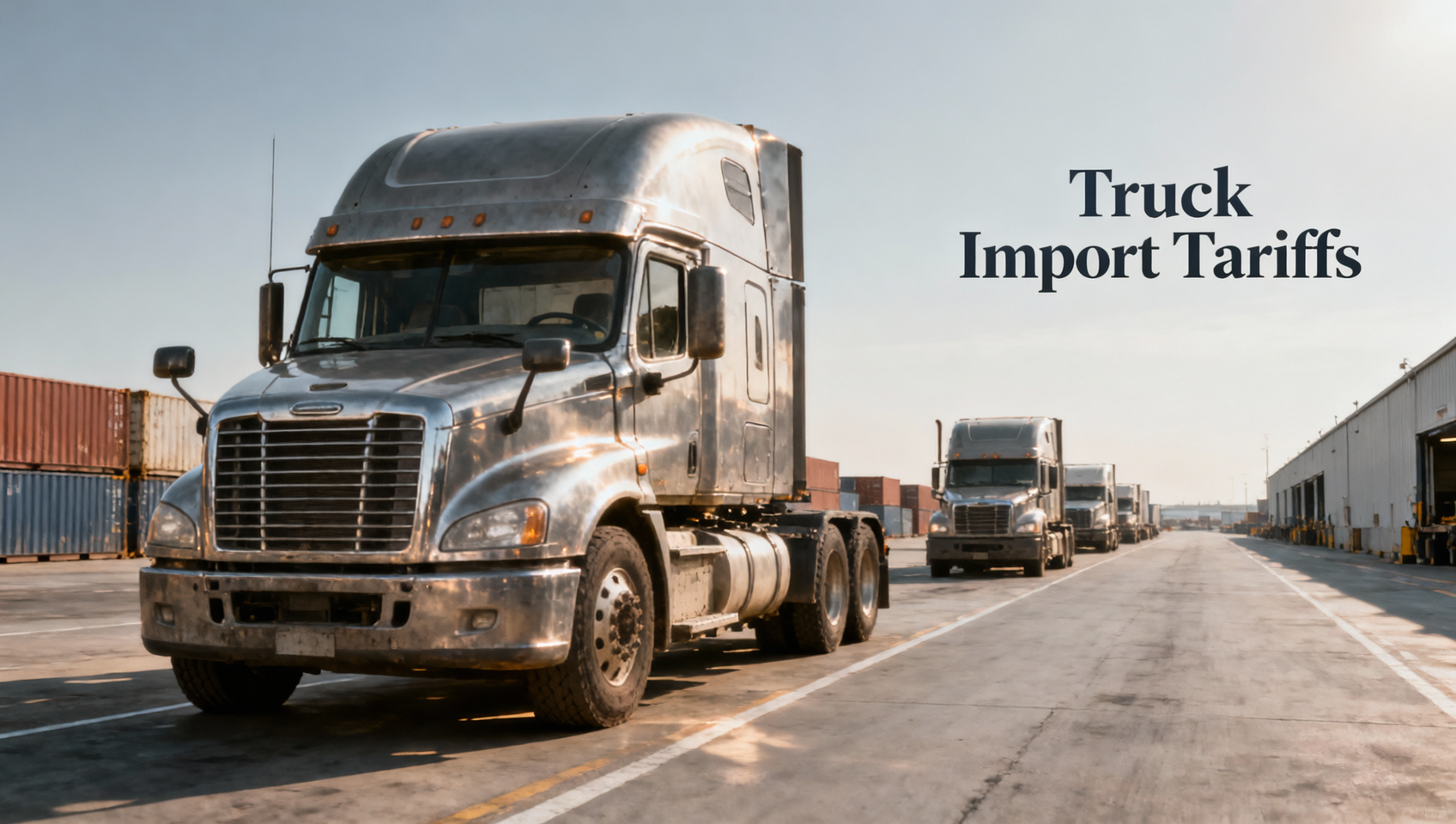
U.S. President Donald Trump announced on social media that all imported medium- and heavy-duty trucks will face a new 25% tariff, effective November 1, 2026. The measure aims to encourage domestic manufacturing and introduces a new cost consideration for truck exporters and businesses supplying the U.S. market.
The immediate commercial issue is how the additional tariff would be absorbed across the supply chain. Importers could face higher landed costs, while exporters may come under pressure to adjust pricing or accept lower margins. Passing the cost on to buyers could affect the competitiveness of imported trucks, but the announcement alone does not establish how much vehicle prices will change.
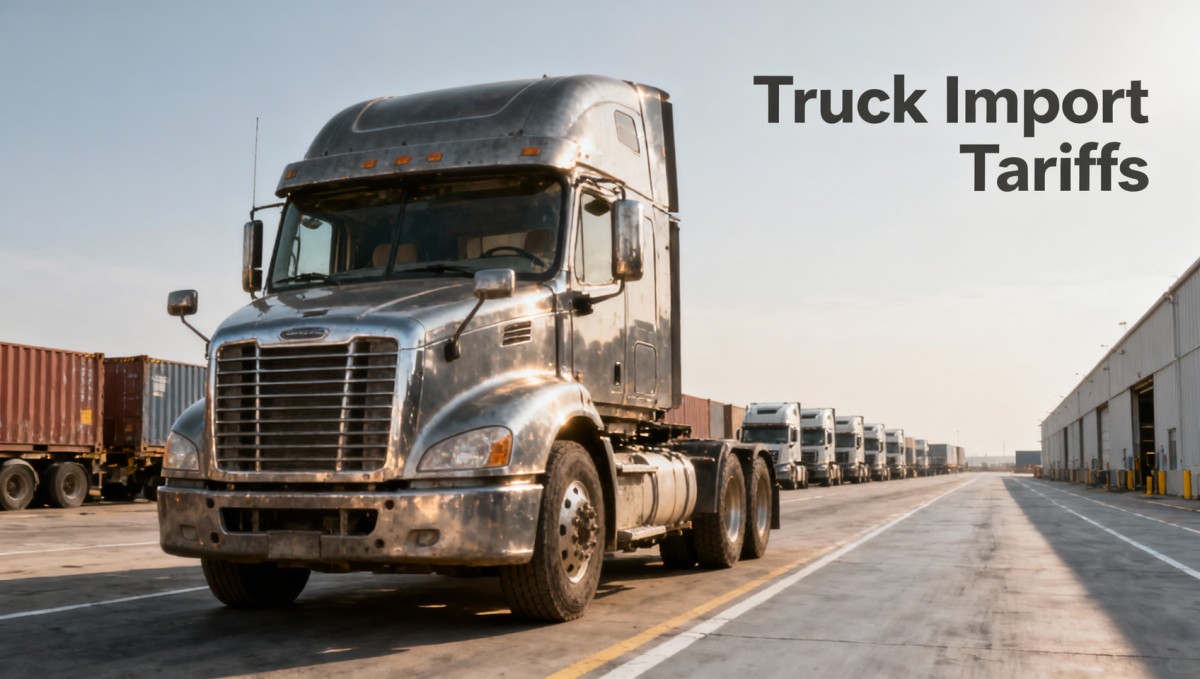
For companies with orders scheduled around the effective date, the practical questions concern customs treatment, delivery timing and responsibility for tariff costs under existing contracts. Subsequent official guidance on implementation will be important to assessing the exposure of individual shipments.
The policy also creates an incentive to reassess production and sourcing arrangements serving North America. However, a shift toward U.S. manufacturing would depend on whether the expected tariff savings justify changes to production capacity and supplier relationships. The stated manufacturing objective should therefore be distinguished from any eventual relocation of output.
The clearest near-term pressure is on import economics and commercial negotiations. Changes in global truck export flows or North American supply chains would take longer to assess, with implementation details, pricing decisions and manufacturers’ production plans providing the most useful signals.
NAVIGATION
Send Us A Message